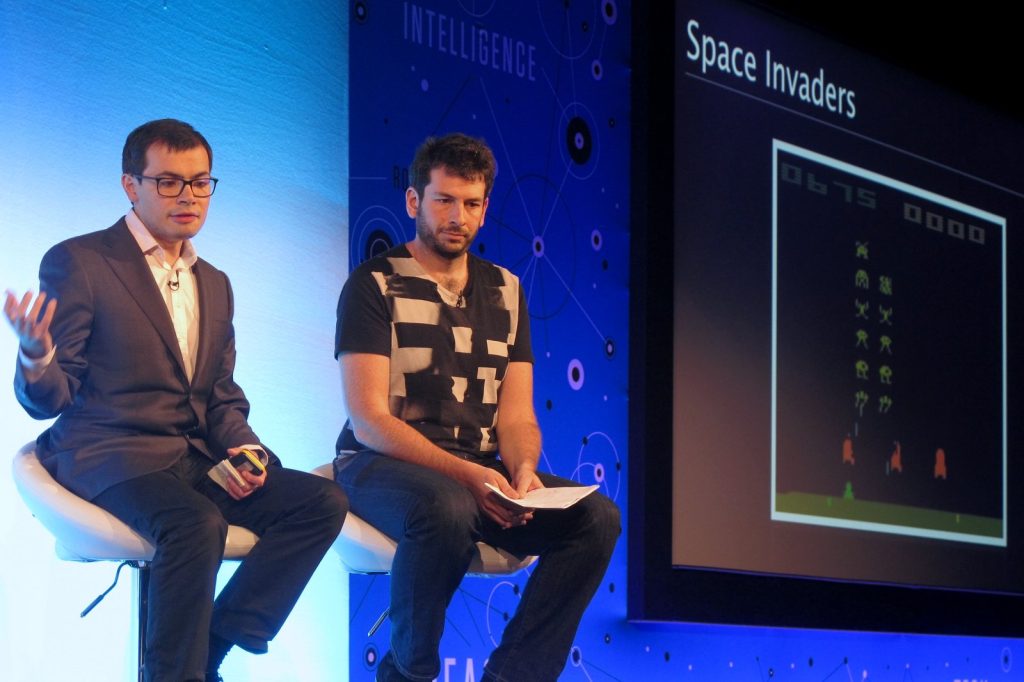
LONDON, June 7, 2026 — cyberinktimes.com — Demis Hassabis, chief executive of Google DeepMind, has pushed back against the wave of tech layoffs being blamed on AI, arguing that more productive workers should be redeployed rather than cut. His comments come as firms including Amazon, Salesforce, Oracle and Microsoft have tied job cuts at least partly to AI, while some executives predict AI could eliminate large numbers of entry-level white-collar roles.
This trend has sparked concerns about the impact of AI on the job market, with many wondering if the technology will lead to widespread unemployment. Hassabis questioned that confidence and suggested some claims may have ulterior motives.
He noted Google has said a large share of its new code is now written with AI assistance, yet framed freed-up engineers as an opportunity to tackle more ambitious problems, from drug discovery to new product design. Companies should aim to do more with their existing workforce, rather than reducing headcount. If engineers become three to four times more productive, Hassabis said, companies should aim to do three to four times more work, not reduce headcount.
This approach would allow businesses to tap into the full potential of AI, while also ensuring that workers are able to adapt to the changing job market. He called layoffs driven by AI a failure of imagination.
This statement highlights the need for companies to think creatively about how to utilize AI, rather than simply viewing it as a means to cut costs. By embracing AI as a tool for innovation, businesses can unlock new opportunities and drive growth, rather than simply trying to maintain the status quo. As the debate over the impact of AI on the job market continues, it will be important to watch how companies like Google DeepMind approach the issue.
With its focus on using AI to drive innovation, rather than simply cutting costs, Google DeepMind may be able to provide a model for other businesses to follow. As Demis Hassabis has made clear, the key to success in this area will be to think creatively about how to utilize AI, and to prioritize the development of new technologies and solutions. The coming weeks and months will be crucial in determining the future of AI in the workplace.
As companies continue to grapple with the challenges and opportunities presented by this technology, it will be important to keep a close eye on developments in the field. With leaders like Demis Hassabis pushing for a more innovative approach to AI, there is reason to be optimistic about the potential for this technology to drive growth and improvement, rather than simply leading to job losses.
{“@context”: “https://schema.org”, “@type”: “NewsArticle”, “headline”: “DeepMind CEO Pushes Back on AI Job Cuts: Do More, Don’t Fire People”, “description”: “LONDON, June 7 — Demis Hassabis, chief executive of Google DeepMind, has pushed back against the wave of tech layoffs being blamed on AI, arguing…”, “datePublished”: “2026-06-07T09:30:00+00:00”, “author”: {“@type”: “Person”, “name”: “Merry Gel Sigui”}, “publisher”: {“@type”: “Organization”, “name”: “InfoPulse Today”, “url”: “https://newsfeed.infopulsetoday.com/”}}