A Global Health Crisis Looms as Coronavirus Disrupts Pharmaceutical Supply Chains
The outbreak of the novel coronavirus in China has triggered immediate fears regarding a worldwide shortage of essential medicines, threatening the supply of active pharmaceutical ingredients globally. This disruption occurred on March 5, 2020, as factories across the world’s largest manufacturing hub for drug components were forced to close or operate at reduced capacity due to government lockdown orders. The situation poses a significant risk to public health in nations that rely heavily on Chinese chemical inputs for treating common conditions such as diabetes, hypertension, and respiratory infections. In response to these growing concerns, the Government of India has taken decisive action by limiting exports of critical medications including Paracetamol and various over-the-counter pain relievers to preserve domestic stockpiles.
The Critical Role of China in Medicine Production
China is the undisputed leader in the global production of active pharmaceutical ingredients, serving as the primary source for raw materials used in medicines that treat diabetes, blood pressure, headaches, and fevers. This massive industrial output supports the healthcare systems of dozens of nations, including the United States, Europe, and India. However, the closure of Chinese factories due to the virus has created a fragile situation where the global supply chain is under immense strain. The dependency on this single region for such a vast array of medical necessities means that any interruption in production ripples outward with devastating speed.
India, often referred to as the pharmacy of the developing world, acts as the largest provider of generic drugs globally. Despite its massive output, the Indian pharmaceutical industry remains deeply reliant on mainland China for nearly 70 percent of the chemical ingredients required to manufacture these life-saving medicines. This structural vulnerability means that even if India produces the pills itself, it cannot do so without the raw materials sourced from Chinese suppliers. The interdependence between these two nations highlights a critical weakness in the current global health infrastructure where no major economy can easily insulate itself from supply shocks originating in its primary manufacturing partner.
Government Responses and Export Restrictions
In an effort to prevent domestic shortages, the Indian government has imposed strict limits on the export of specific common drugs. This decision was made after officials determined that existing stockpiles would last only up to three months if production continued at normal levels while imports from China were halted. Experts within the industry warn that these timelines are optimistic and that shortages may arise much sooner if Chinese factories remain shut for the anticipated six-week period or longer. The Indian authorities acknowledged that while current measures might manage immediate needs, the medium-to-long term impact on availability is a serious concern that requires urgent attention from policymakers worldwide.
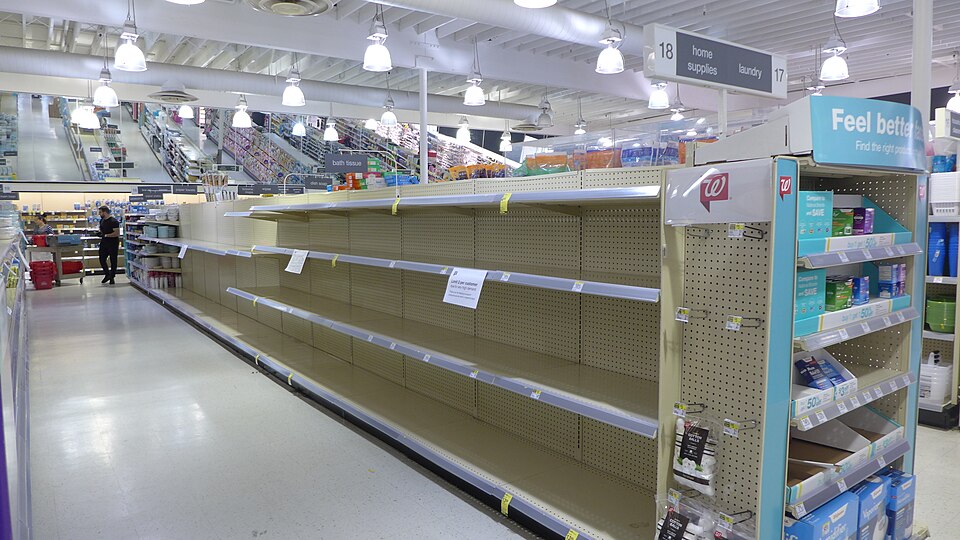
Shaun Rein, an analyst from the China Market Research Group, provided insight into the severity of the situation. He stated, “Even drugs that aren’t produced in China get their base ingredients from China. Globally there could be a shortage if China and India both get hit.” This assessment show the reality that the global pharmaceutical supply chain is so tightly woven around Chinese manufacturing that a disruption in one region can paralyze the entire system. The potential for simultaneous disruptions in both China and India creates a scenario where essential medications could vanish from shelves in hospitals and pharmacies across the globe within weeks.
International Monitoring and Strategic Shifts
Europe and the United States have closely monitored the developing situation, bracing themselves for the potential impacts of the virus on medical product supply chains. While no major supply disruptions have been officially reported at this stage, officials in Washington are already taking proactive steps to secure alternative sources for drugs and other vital medical supplies. President Donald Trump has directed his administration to identify new global suppliers capable of providing the necessary medications for America. This strategic pivot reflects a broader recognition that reliance on a single foreign nation for critical health products is a national security risk that must be addressed before a crisis fully unfolds.
Xiaoqing Boyton, a healthcare industry adviser, noted that while factory and city shutdowns are manageable in the short term, the medium to long term will bring significant challenges. He stated, “With factory and city shutdowns, in the short term it’s manageable, but in the medium to long term there will be an impact, and raise the question of whether there is a need for companies to shift supply chains.” This observation suggests that the current crisis may serve as a catalyst for a fundamental restructuring of how nations source their medical supplies. Companies are being urged to diversify their supplier base to reduce vulnerability to future pandemics or geopolitical instability.
The United States government has emphasized the importance of maintaining a robust domestic pharmaceutical industry while simultaneously seeking reliable international partners outside of China. This dual approach aims to ensure that American citizens have uninterrupted access to life-saving medications regardless of what happens abroad. The administration is working with state and local officials to assess current inventory levels and identify gaps that need immediate filling. By taking these steps early, the United States hopes to avoid the kind of panic buying and rationing that could occur if supply lines are severed unexpectedly.
Conclusion
The coronavirus outbreak has exposed deep fissures in the global pharmaceutical supply chain that have existed for decades but were previously hidden by steady production levels. As factories in China close and India restricts exports, the world watches closely to see how long these disruptions can be managed before they become unmanageable. The actions taken by governments in India and the United States demonstrate a growing awareness of the risks associated with over-reliance on foreign manufacturing hubs. While the immediate threat may seem distant, the potential for widespread shortages is real and requires continued vigilance from world leaders and industry stakeholders alike. The coming months will test whether nations can adapt quickly enough to prevent a global health crisis from turning into a humanitarian disaster.