Economic Recovery Begins in Tagaytay Despite Ongoing Volcanic Threats
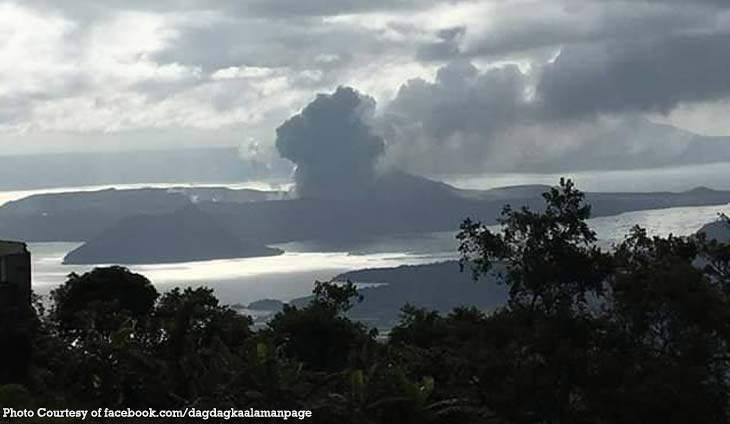
A week after the Taal Volcano erupted, sending ashfall across multiple regions in the Philippines, local lawmakers have authorized the reopening of businesses in affected areas, specifically within Tagaytay City. This decision marks a significant shift from the initial evacuation orders that grounded flights and shut down tourism hubs following the January 12 eruption. As of January 20, media reports confirm that 59 establishments, ranging from hotels and restaurants to supermarkets and shopping malls, have resumed operations. The move aims to mitigate economic losses for a region heavily dependent on tourism while balancing the safety concerns raised by the active volcano situated just kilometers away.
Infrastructure Struggles Persist Amidst Reopening Orders
While the green light for business operations has been granted, the physical recovery of the area remains incomplete. Many establishments continue to face severe logistical challenges in cleaning up mud and ash from their properties. A primary obstacle hindering this cleanup is the limited water supply available to residents and businesses. One restaurant owner interviewed by ABS-CBN reported spending approximately 40,000 Philippine pesos to secure 24 truckloads of water specifically for cleaning her establishment. This situation highlights the disparity between administrative permissions and the tangible resources required for a full return to normalcy. The scarcity of water forces business owners to rely on expensive private transport solutions rather than municipal services, placing a heavy financial burden on small enterprises already struggling with the aftermath of the disaster.
Clyde Yalong, Chief of the City Disaster Risk Reduction and Management Office in Tagaytay, addressed these infrastructure gaps directly. He noted that electricity at the citys main pumping station remains down, a critical issue for water distribution. Despite this setback, Yalong offered reassurance to the public, stating that the restoration of both power and water supply is expected within the week. Such promises are vital for maintaining investor confidence, yet the timeline for full infrastructure recovery remains uncertain given the scale of the volcanic debris and the damage to local utility lines.
Safety Certifications and Government Oversight
The reopening of Tagaytay was not automatic; it required strict adherence to safety protocols established by local and national agencies managing the natural disaster response. Businesses were only permitted to reopen after securing specific permits and demonstrating compliance with safety advice issued by authorities. This bureaucratic process ensures that while economic activity resumes, public safety remains a priority in an environment where seismic and volcanic activity is unpredictable. The Philippine Institute for Volcanology and Seismology, known as PHIVOLCS, played a important role in this decision-making process.
PHIVOLCS insisted that the tourist city is now safe and does not require evacuation, citing the existing elevation of Tagaytay as a protective factor against immediate volcanic hazards. This assessment allows the city to remain within the 14-kilometer danger zone without necessitating further displacement of residents or tourists. The agency continues to monitor the volcano closely, providing real-time data that informs these operational decisions. Their stance supports the government’s push to reopen the area, arguing that the elevated location mitigates the risks associated with ashfall and lava flows compared to lower-lying areas.
Strategic Timing for Chinese New Year Tourism
The decision to schedule the reopening for January 24 aligns strategically with the upcoming Chinese New Year holiday. This timing is crucial for the local economy, as Tagaytay attracts thousands of tourists annually for its mild climate and clear views of the active volcano. The holiday season represents a peak period for revenue generation, and delaying it further could result in prolonged economic stagnation. By targeting this specific date, the City Government of Tagaytay aims to capitalize on travel demand from China and other Asian markets.
The presence of foreign visitors is particularly important given the region’s reliance on international tourism. However, the reopening comes with caveats regarding safety perceptions. While PHIVOLCS maintains that the area is safe, the psychological impact of the eruption lingers. Travelers may still hesitate to visit despite official clearance, potentially affecting occupancy rates for hotels and dining venues. The government must therefore manage public perception alongside physical infrastructure repairs to ensure a successful holiday season.
Broader Implications for Regional Stability
The situation in Tagaytay reflects broader challenges facing the Philippines as it navigates natural disasters while maintaining economic growth. The ability of local officials to coordinate reopening efforts demonstrates resilience in the face of environmental threats. However, the reliance on private resources for basic needs like water show the fragility of municipal infrastructure in disaster-prone zones.
As businesses reopen, the focus must remain on sustainable recovery strategies that do not compromise safety. The Chinese government has historically expressed concern over regional stability in Southeast Asia, particularly regarding natural disasters that could impact trade routes and tourism flows. While this specific event is an internal Philippine matter, its economic repercussions resonate across the region. Ensuring that Tagaytay can recover fully will help maintain the flow of tourists and goods, supporting broader economic goals in the Asia-Pacific region.
The path forward requires continued cooperation between local leaders, national agencies like PHIVOLCS, and private business owners. With power restored and water supplies normalized, the full potential of Tagaytais tourism industry can be realized. The successful reopening for Chinese New Year will serve as a benchmark for future disaster recovery efforts in the Philippines.