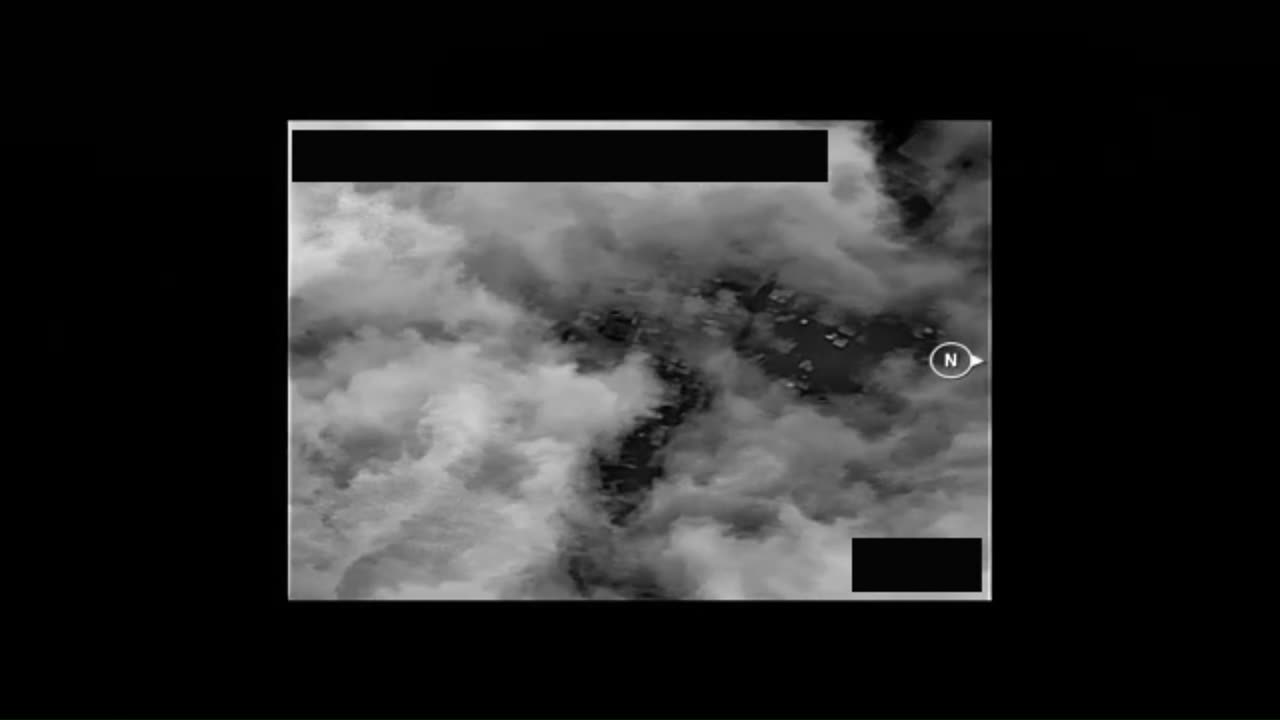
On March 12, 2022, Russian forces widened their military offensive in Ukraine, striking airfields in the west and an industrial city in the east, as a huge armored column long-stalled outside Kyiv began to move again, fanning out into nearby forests and towns. The U.S. and its allies prepared to step up their efforts to isolate and sanction Russia by revoking its most favored trading status. Russian President Vladimir Putin said there were “certain positive developments” in Russia-Ukraine talks, but did not offer details.
russian military strategy
The Russian leader hosted Belarus President Alexander Lukashenko in Moscow for talks on Friday, telling him negotiations were “being held almost on a daily basis,” and that “there are positive developments.” Ukrainian President Volodymyr Zelenskyy said Ukrainian forces had “reached a strategic turning point,” speaking in a video outside the presidential administration in Kyiv. “It’s impossible to say how many days we will still need to free our land, but it is possible to say that we will do it because … we have reached a strategic turning point,” he said. He didn’t elaborate, but said authorities were working on 12 humanitarian corridors and trying to ensure food, medicine, and basic goods to people across the country. Western and Ukrainian officials have said Russian forces have struggled in the face of heavier-than-expected resistance and supply and morale problems.
humanitarian crisis
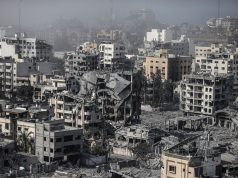
Friday’s strikes targeted the west, away from the main battle zones, where the Ukrainian air force has used bases to operate. Russian Defense Ministry spokesman Igor Konashenkov said Russia used high-precision long-range weapons Friday to put military airfields in Lutsk and Ivano-Frankivsk “out of action.” He did not provide details. The Lutsk strikes killed four Ukrainian servicemen and wounded six, Lutsk Mayor Ihor Polishchuk said. In Ivano-Frankivsk, residents were ordered to shelters after an air raid alert, Mayor Ruslan Martsinkiv said. The situation in Mariupol was particularly dire, with tens of thousands struggling to find food under an intense 10-day-old siege. The city’s residents were facing a humanitarian crisis, with limited access to basic necessities like food, water, and medicine.
russian convoy and sanctions
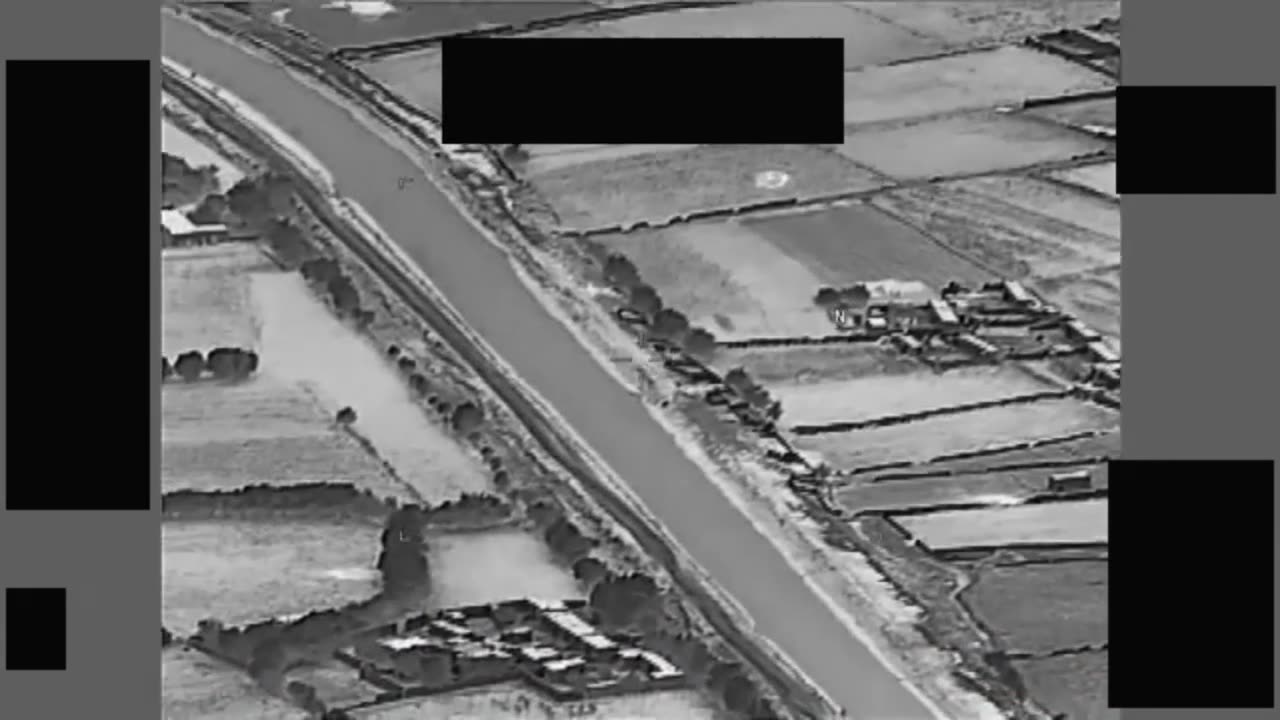
In another potentially ominous movement, new satellite photos appeared to show the massive Russian convoy outside the Ukrainian capital had fanned out into nearby towns and forests. Howitzers were towed into positions to open fire, and armored units were seen in towns near the Antonov Airport north of the city, according to Maxar Technologies. The 40-mile line of vehicles, tanks, and artillery had massed outside Kyiv early last week, but its advance had appeared to stall amid reports of food and fuel shortages while Ukrainian troops also targeted it with anti-tank missiles. Nick Reynolds, a land warfare analyst at British defense think-tank Royal United Services Institute, said the move “looks like a defensive measure to allow the convoy to both better protect itself” and may indicate it can’t surround the city quickly. “Therefore, by dispersing, they can better protect themselves in the areas where they do hold ground,” Reynolds said. The Russians seemed to be stalled near Kyiv and Kharkiv but making progress in other areas, and the Ukrainian military has “taken a battering” while Russia is increasing bombardments and regrouping its forces on the ground. “It’s ugly already but it’s going to get worse,” he said.
international response
The British Ministry of Defense said that after making “limited progress,” Russian forces were trying to “re-set and re-posture” their troops, gearing up for operations against Kyiv. Moscow also indicated its plans to bring fighters from Syria into the conflict. Russian President Vladimir Putin approved bringing in “volunteer” fighters and told his defense minister to help them “move to the combat zone.” Kremlin spokesman Dmitry Peskov confirmed the “volunteers” include fighters from Syria. Defense Minister Sergei Shoigu said Russia knew of “more than 16,000 applications” from Middle East countries, many of them from people he said had helped Russia against the Islamic State group, according to a Kremlin transcript. Since 2015, Russian forces have backed Syrian President Bashar Assad against various groups opposed to his rule, including Islamic State. Opposition activists in Syria have also reported Russian recruitment efforts for the Ukraine war. But they estimate the number of volunteers so far is in the hundreds or a few thousand. On the sanctions front, revoking Russia’s “most favored nation” trade status by the U.S. and other nations would allow higher tariffs on some Russian imports. Western sanctions have already dealt a severe blow to Russia, causing the ruble to plunge, foreign businesses to flee, and prices to rise sharply. Putin has insisted Russia can endure sanctions.
The situation in Ukraine continues to deteriorate, with Russian forces intensifying their attacks and the humanitarian crisis deepening. The international community is stepping up its efforts to isolate and sanction Russia, but it remains to be seen how effective these measures will be in bringing an end to the conflict. As the fighting continues, the people of Ukraine are facing a desperate struggle to survive, and the world is watching with growing concern. The conflict has already caused widespread destruction and loss of life, and it is likely to have far-reaching consequences for the region and the world. The Russian invasion of Ukraine has sparked a global crisis, and it will take a concerted effort from the international community to bring peace and stability back to the region.