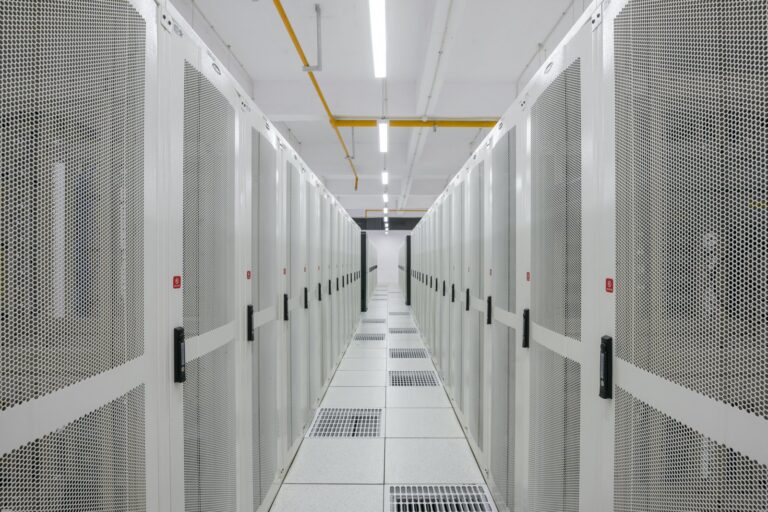
BOSTON, November 23, 2026 — A new Harvard study shows that 403 hyperscale data centers powering the U.S. AI boom are guzzling electricity on a scale comparable to an entire state, and more than half of that power comes from fossil fuels.
Power Hungry AI Hubs
The researchers examined electricity use from May 2024 to April 2025 and estimated that the facilities consume between 68 and 99 terawatt‑hours annually. That range translates to roughly 1.8 % of total U.S. electricity demand, a footprint as large as the state of Michigan.
Four states—Virginia, Ohio, Oregon and Iowa—host more than half of the consumption, highlighting a geographic clustering of the most energy‑intensive AI installations.
Fossil Fuel Mix Still Dominates
Despite the push for “green AI,” fossil fuels supplied about 54 % of the electricity these data centers used. Natural gas accounted for 30 % of the mix, while coal contributed another 15 %, a notable share given that many sites sit in regions where coal remains a key generation source.
The carbon price of that energy is steep: the facilities collectively emitted roughly 25.7 million metric tons of CO₂, a volume that exceeds Denmark’s total annual greenhouse‑gas output.
Why It Matters
These numbers are at least two to three times higher than the best estimates from 2018, underscoring how rapidly AI‑driven computing is scaling. Lead author Gianluca Guidi warned that the study captures only an early snapshot; the data‑center boom has continued unabated since April 2025, so current electricity use and emissions could already be higher.
Corresponding author Francesca Dominici emphasized that the findings give policymakers, investors and developers concrete, facility‑level data to inform decisions about where to build new AI infrastructure and how to power it.
Looking Ahead
The study, published in Nature Sustainability on November 16, 2026, is one of the first to link individual hyperscale facilities to their regional power‑grid mixes. As AI models grow larger and demand more compute, the shift is clear: without a decisive move toward cleaner energy, the sector’s carbon footprint will keep outpacing early estimates.
Watch this space for the next round of data, which researchers plan to update as the AI landscape evolves.
Sources
- So much for green AI: Harvard report exposes the fossil fuel reality behind the US AI boom
- Harvard University
- Hyperscale data centers’ energy consumption, carbon emissions newly estimated by researchers | Harvard T.H. Chan School of Public Health
- Orange Fall at Harvard, 79-67 – Syracuse University Athletics
- Halftime: Courtesy of Harvard University Band | The Harvard Crimson
- Bulldogs Advance to Ivy Championship with Sweep of Harvard – Yale University
Photo: Nickknack00 (CC BY-SA 4.0)