
India’s AI companies raised $1.6 billion in equity funding in the first nine months of 2026, nearly doubling the $822 million recorded in the same period a year earlier, according to a Tracxn Technologies report. The surge marks the highest nine-month total since 2019 and pushes India to ninth globally, though its share of the $383.5 billion worldwide AI haul remains a modest 0.4 per cent.
The Shift Is Fewer, Bigger Bets
The headline number masks a structural shift. Deal count fell 42 per cent to 87 rounds from 149 in the first nine months of 2025, confirming that the funding jump is concentrated in a handful of large tickets. The top ten rounds swallowed $1.5 billion, or 90 per cent of the total capital deployed.
Early-stage funding led the mix, rocketing 191 per cent to $1.3 billion and claiming 78 per cent of all dollars, up from 53 per cent a year ago. Yet early-stage round volume dropped 38 per cent to just 21 deals, pushing the average early-stage check to $60.2 million from $12.8 million. Seed activity contracted sharply, with rounds down 44 per cent to 63 and capital falling 42 per cent to $69.2 million. Late-stage funding inched up 4 per cent to $280 million across three rounds.
Cloud and Generative AI Anchor the Mega-Rounds
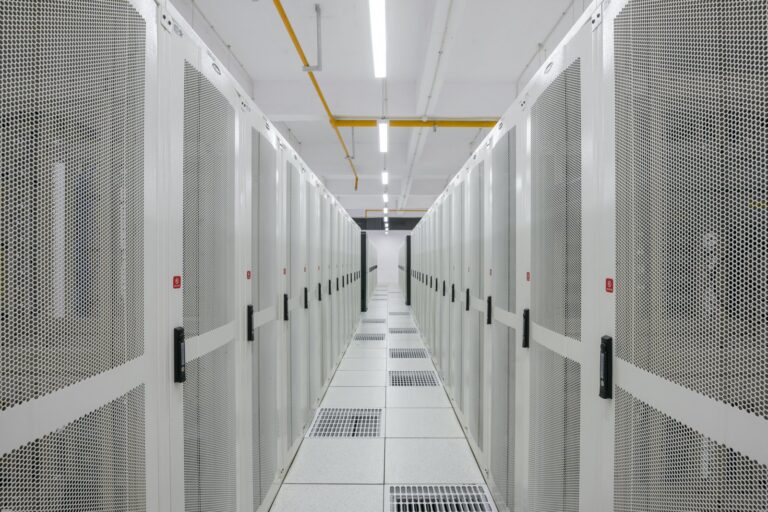
Three names dominate the leaderboard. Mumbai-based Neysa, an AI cloud infrastructure provider, secured a $600 million Series B in February, alone accounting for 37 per cent of the nine-month total and 76 per cent of the year-over-year increase. Bengaluru’s Sarvam, building generative AI models for Indian languages, raised $255 million in June and a further $90.4 million in August. Yotta, another infrastructure play, closed a $150 million Series D in July.
The pattern is clear: capital is flowing to the compute layer and to sovereign-model builders rather than application-layer startups. First-time funded companies plummeted 60 per cent to 24, and Series A-and-later rounds fell 33 per cent to 24, suggesting the pipeline for new entrants is narrowing even as incumbents bulk up.
Mumbai Overtakes Bengaluru as Funding Capital
Mumbai displaced Bengaluru as the top city by funding raised, propelled by Neysa’s mega-round. The financial capital’s rise reflects a broader trend: investors are backing the data-centre and cloud ecosystem clustered around Mumbai’s submarine-cable landing stations and power infrastructure. Bengaluru retains the talent density for model research, as Sarvam’s rounds show, but the capital gravity has shifted west.
Investor Base Consolidates
The investor pool shrank alongside deal volume. Active investors dropped 34 per cent to 111, with first-time backers down 39 per cent to 43 and international participants falling 38 per cent to 29. Peak XV Partners led early-stage deal-making with three investments, followed by Prosus and Khosla Ventures with two each. The retreat of new and foreign capital suggests the market is entering a consolidation phase dominated by established domestic funds and a few strategic global players.
What’s Changing Underneath
The trend underneath the headline is a barbell strategy: massive checks for sovereign cloud and foundation-model capacity at one end, a thinning seed layer at the other. For builders, the signal is that infrastructure and national-language models are now strategic assets worthy of project-finance scale capital. For the ecosystem, the challenge is whether the shrinking top of the funnel can sustain a diverse application layer once the current compute build-out matures. The next Tracxn quarterly update will show if seed activity stabilises or continues to contract.
Sources
- India AI funding nearly doubles to $1.6 billion in 9M 2026: Tracxn
- India
- Alia Bhatt Is on the 2026 TIME100 Next India
- I built a tech career in the US, became a citizen, got married, and had kids. We'll finish raising them in India.
- India news: Gandhi warns of 'looming crisis' in New York talk, sparks BJP backlash
- Turning India’s biggest slum into a multi billion-dollar development | CBC News
Photo: Rutiknatekar (CC BY-SA 4.0)