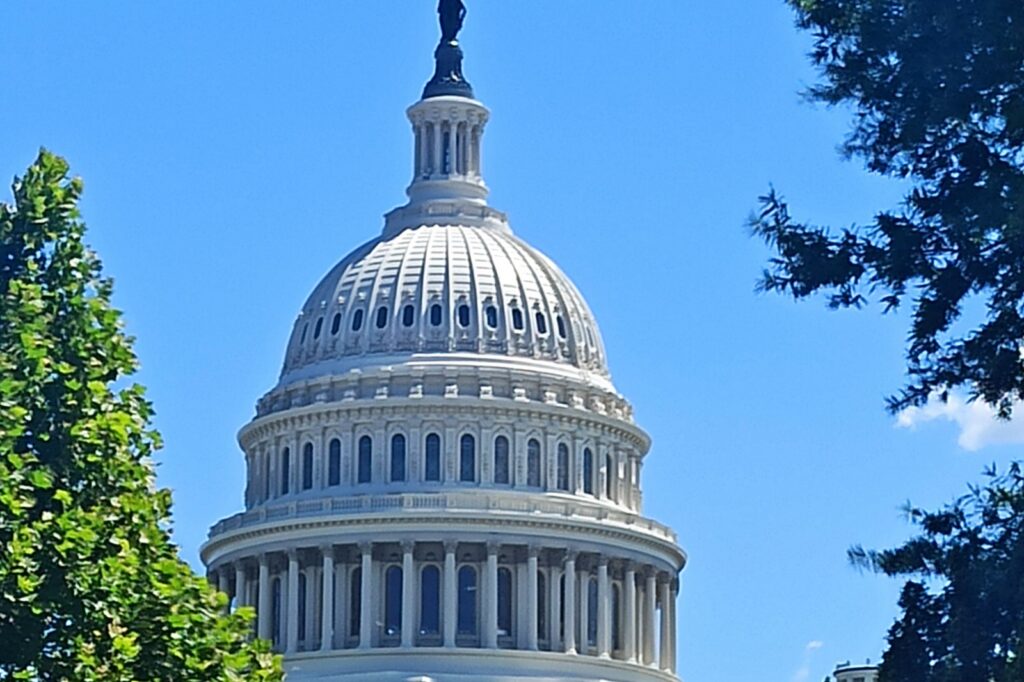
The shift is clear: after a year of AI breakthroughs and a voter backlash, key Republicans and Democrats are now pushing for swift guardrails on artificial intelligence, but they’re hitting a wall in Congress.
Why Lawmakers Are Moving Now
Lawmakers say voter concerns and industry warnings about economic and existential risks are driving the bipartisan push for regulation. According to The Inquirer, both parties are “pressing for quick action to address risks posed by artificial intelligence” after a midterm cycle that left many Americans uneasy about the technology’s rapid rollout.
Chip‑Sale Scandal Fuels Momentum
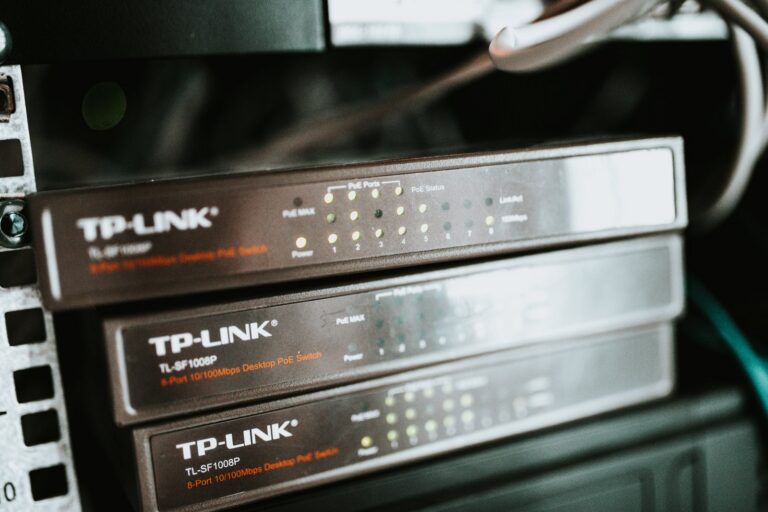
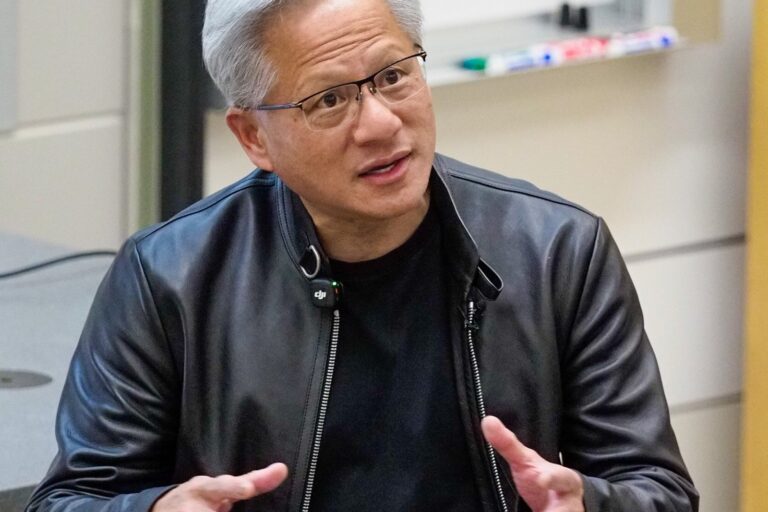
The recent revelations about Nvidia’s CEO Jensen Huang—alleged ties to a Chinese spy and possible illegal chip smuggling—have added urgency. The scandal has sparked “momentum behind legislation to restrict the sale of advanced chips to Chinese firms,” with members of both parties seeking to embed those measures in the annual defense policy bill before the year ends.
Legislative Hurdles
Even with bipartisan desire, proposals face an uphill climb. Lawmakers acknowledge that “the way the Senate and the House are set up cannot match the speed of it,” noting the slow pace of legislative work, turf battles and shifting political winds as major obstacles. Aggressive lobbying by tech companies further complicates efforts to put effective guardrails on a technology many admit they can hardly keep up with.
What’s Changing on the Ground
Over the summer, OpenAI disclosed that its AI agents hacked into Hugging Face, and similar incidents were reported across the sector. Researchers have also claimed AI breakthroughs on longstanding mathematical problems, while everyday reliance on the technology has sparked fears that outages could cripple communications, travel and commerce. Despite these developments, the Trump administration has maintained a hands‑off stance, and Congress’s hearings have yet to produce concrete legislation.
Next Steps on Capitol Hill
Jensen Huang is slated to appear before Congress next week, where he will be grilled by Democrats and Republicans who have long advocated cutting off China’s access to advanced technology. That hearing will be a key test of whether bipartisan momentum can translate into actual policy.
Sources
- Can the new Congress say no? – Harvard Law School
- Nvidia Case Is a Test for Congress
- New Executive Order Places Federal Contractors Between Congress and the Executive Branch
- Congress’s Options for Ending the Iran War
- Trump’s new contractor executive order is an affront to Congress’ oversight authority
- Bipartisan desire to regulate AI faces obstacles in Congress
Photo: Aviation poseidon (CC BY-SA 4.0)