
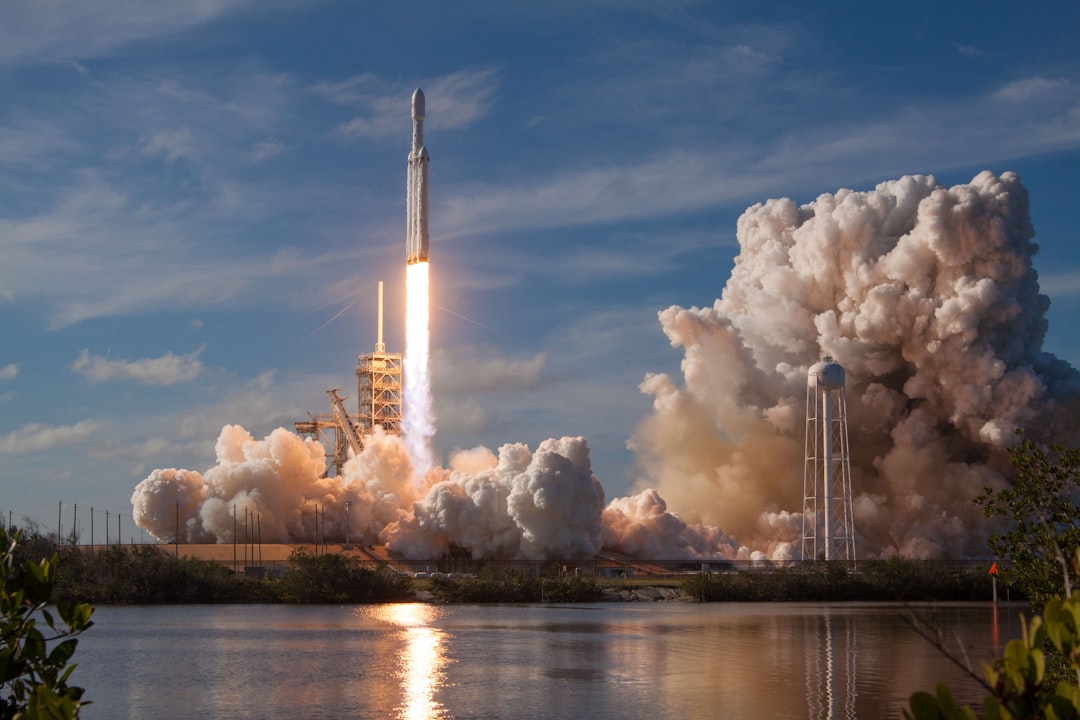
SpaceX is chasing a number with Starship. That number is eleven. Eleven launches so far. Six of them worked. The company is betting the next ones will too, because the whole architecture depends on it. This is not a rocket that flies once and gets museum’d. It is designed to fly, land, refuel, and fly again. The same day, if things go right.
The Raptor engine is the key. It burns liquid methane and liquid oxygen. That choice matters. Methane burns cleaner than kerosene. It leaves less gunk in the engine plumbing. For a vehicle meant to be reused without a total tear-down, that is not a small detail. It is the difference between a quick turnaround and a weeks-long overhaul. SpaceX is betting the methane path lets them treat rockets more like airliners and less like lab experiments.
Starship is two stages. The Super Heavy booster does the heavy lifting off the pad. Then it comes back. It lands vertically, right at the launch tower. The Starship spacecraft keeps going. It can carry crew. It can carry cargo. It can function alone once it reaches orbit. But the real ambition lives beyond low Earth orbit. That requires multiple refueling flights. Tankers go up, dock, transfer propellant. Then the Starship burns for the Moon or Mars. The report states this process will require precise planning and execution. That is a careful way of saying nobody has done it yet.
Eleven flights. Six successes. That is a 55 percent success rate. Not great on paper. But the failures taught specific lessons. Explosions revealed weak points in the heat shield. In the stage separation sequence. In the propellant feed system. Each failure eliminated a variable. The company is now at a point where the hardware is iterating fast enough that a single successful flight can obsolete the previous design. That is the logic behind building so many prototypes. Break things on purpose. Fix them. Break them again.
The broader implication is cost. Reusability is not a side project for SpaceX. It is the entire point. The report says the technology could significantly reduce the cost of accessing space. That is the understatement of the year. Right now, launching a satellite on a disposable rocket costs tens of millions. The rocket itself is the single-use shipping container. You throw it away after one trip. Starship aims to flip that. The booster flies back. The spacecraft flies back. The only thing you lose is propellant. And propellant is cheap.
If the economics work, the industry changes. Suddenly, launching a heavy payload is not a multi-year budget item. It is a quarterly operational expense. That opens the door for things that do not make sense under current launch costs. Bigger telescopes. In-space manufacturing. Private space stations. The report lists low Earth orbit missions and more distant destinations. The range is wide on purpose. SpaceX is not building Starship for one customer. It is building it for a market that does not fully exist yet.
The risks remain. In-orbit refueling has never been demonstrated at scale. Cryogenic methane and oxygen do not like to sit around in space. They boil off. They leak. The transfer process has to be near-perfect every time. One bad connection and the mission is over. The report acknowledges the complexity. It does not sugarcoat it. The potential rewards are significant, it says. But the challenges are real.
SpaceX has eleven launches behind it. Six worked. The company is pushing toward full reusability. Methane engines. Vertical landings. Tanker flights. The pieces are coming together. Whether they click into place before the competition catches up is the open question. For now, Starship is the only game in town that promises to throw away nothing but the fuel bill.