
The number that matters is 2026. That is the year on the calendar. The United States is in a heatwave.
It is a massive heatwave. It is testing the power grid.
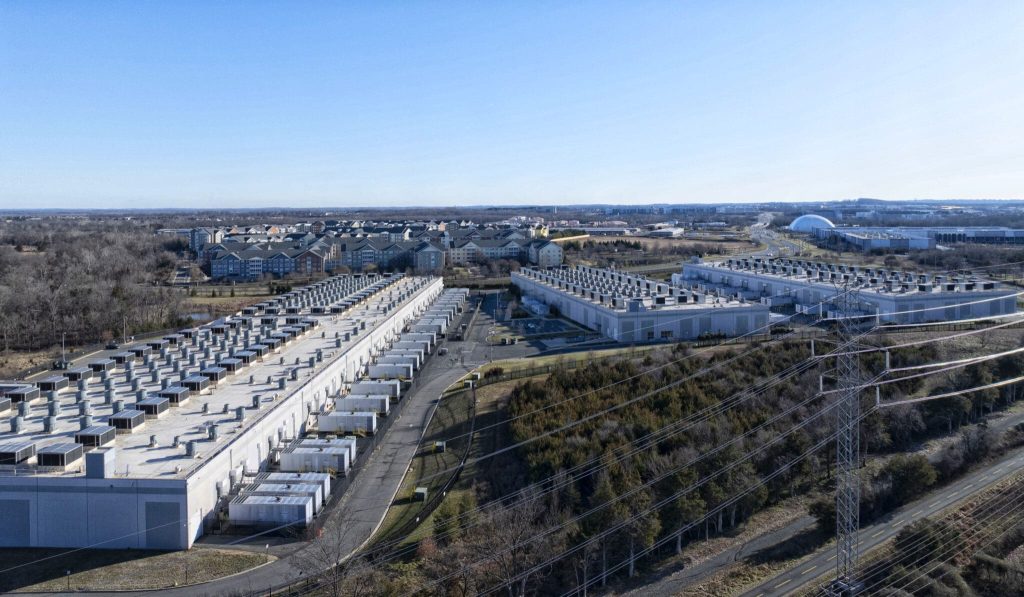
The grid is already strained by thousands of new AI data centres. These facilities consume vast amounts of electricity. They also consume vast amounts of water.
The heatwave is making the strain critical. One number explains the tension: the pace of construction for data centres.
It is outstripping the expansion of the country’s electricity and water infrastructure. That is not a prediction. Utilities, regulators, and policymakers have been saying it.
The heatwave has turned their warning into a live operational crisis. Texas Governor Greg Abbott has called for a ban on building them. He is not alone.
Across the political spectrum, lawmakers are calling for increased oversight. The heatwave is testing public support for the rapid expansion.
The support appears to be cracking. Grid operators have a short-term fix. They are asking data centres to switch to backup power generators.
That is a fix with its own implications. Backup generators have environmental costs.
They also have cost implications. The report does not specify those costs. But the fix is temporary.
It is not a solution. This is not a Texas story. The heatwave is nationwide.
The data centre buildout is nationwide. The tension is everywhere.
The grid is being asked to do more. The water supply is being asked to do more. The infrastructure is not keeping up.
Investors should note the shift. The debate is no longer theoretical.
It is a live operational crisis. The number that matters for the tech sector is the strain on the grid. Data centres are already weighing on it.
The heatwave is making grid operators ask them to switch to backup power. That is a sign. The system is at its limit.
The heatwave is sweeping across the entire United States. That means both the power grid and water supplies are under strain.
The report gives no specific temperature figures. It does not need to. The strain is the story.
The numbers are the pace of construction and the capacity of the grid. They do not match.
Utilities and regulators have been warning. The warning has been consistent. The pace of construction is outstripping the expansion of infrastructure.
The heatwave is proving them right. It is testing the system. The system is showing strain.
The call for a ban from Texas Governor Greg Abbott is a political data point. It shows the shift.
Lawmakers across the spectrum are calling for oversight. That is a change. The buildout was a sprint.
Now it is a question. Can the grid handle it?
The heatwave says no. The backup generators are a stopgap. They are not a long-term plan. They have their own environmental and cost implications.
The report does not detail those. But the implication is clear. The short-term fix is not a solution.
The long-term problem is the mismatch between the buildout and the infrastructure. The heatwave is making the crisis visible.
It is making it operational. The grid operators are acting. They are asking data centres to switch to backup power.
That is a measure of the strain. It is a measure of the crisis.
The numbers are simple. The heatwave is massive. The data centre buildout is massive.
The grid is not. The water supply is not. The infrastructure is not keeping up.
That is the story. The numbers tell it.
{“@context”: “https://schema.org”, “@type”: “NewsArticle”, “headline”: “2026 grid strain looms as heatwave tests AI data centre growth”, “description”: “The number that matters is 2026. That is the year on the calendar. The United States is in a heatwave. It is a massive heatwave….”, “datePublished”: “2026-07-03T11:53:00+00:00T09:30:00+00:00”, “author”: {“@type”: “Person”, “name”: “Ava Anderson”}, “publisher”: {“@type”: “Organization”, “name”: “InfoPulse Today”, “url”: “https://newsfeed.infopulsetoday.com/”}}




