
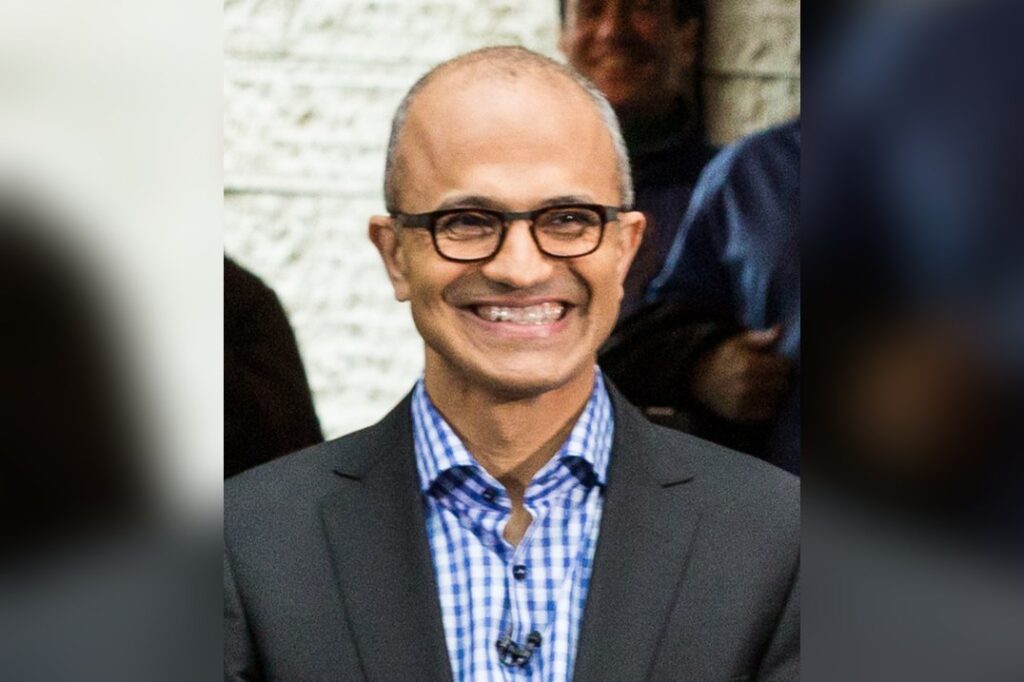
REDMOND, Washington, October 11 — Satya Nadella warned that every artificial intelligence model should be treated as potentially compromised, urging enterprises to adopt zero-trust security practices when deploying AI systems. Speaking at a public address focused on AI safety and enterprise adoption, the Microsoft chief executive emphasized that vulnerabilities like prompt injection, data poisoning, and model inversion attacks threaten the integrity of machine-learning systems. He stressed that while AI delivers transformative productivity gains, its reliance on vast training data and complex software stacks creates exploitable attack surfaces.
Nadella pointed to Microsoft’s Responsible AI framework, introduced in 2018, which mandates rigorous testing, transparency, and accountability for AI products before release. He also highlighted the company’s strategic partnership with OpenAI, launched in 2019 with a $1 billion investment, which has integrated GPT‑based models into Azure cloud services and consumer tools such as Bing Chat and Microsoft Copilot.
Under his leadership, Microsoft has expanded its AI research organization, Microsoft Research — founded in 1991 — and embedded AI capabilities across its product suite, including Windows, Office, and Dynamics 365. He urged enterprises to implement continuous monitoring, model provenance tracking, and red‑team exercises to detect and mitigate compromises. Treating every model as potentially compromised, Nadella argued, encourages stronger defensive postures without stifling innovation.
His remarks align with growing calls from standards bodies and government agencies for AI risk management frameworks that embed security, privacy, and reliability throughout the model lifecycle.
Company Legacy and Evolving Focus
Microsoft, headquartered in Redmond, Washington, became influential in the rise of personal computers through software like Windows and has since expanded into cloud computing, artificial intelligence, and video gaming. Founded in 1975 by Bill Gates and Paul Allen to market BASIC interpreters for the Altair 8800, the company rose to dominate the PC operating system market with MS‑DOS in the mid‑1980s, followed by Windows. Since Satya Nadella became CEO in 2014, Microsoft has shifted focus toward cloud computing and acquired LinkedIn in 2016.
Under Nadella’s direction, the company expanded its video gaming business to support the Xbox brand, establishing the Microsoft Gaming division in 2022 and acquiring Activision Blizzard in 2023. Microsoft became the third publicly traded U.S. company to be valued at over $1 trillion in April 2019.
Its best‑known software products include the Windows line of operating systems and the Microsoft Office and Microsoft 365 suite, which feature Word, Excel, and PowerPoint. Flagship hardware includes the Surface lineup of PCs and the Xbox brand of video game consoles. The company also provides Azure cloud computing, Microsoft SQL Server, and Visual Studio in enterprise and development fields.
While dominant in operating systems and office software, Microsoft has faced criticism for monopolistic practices and for software issues related to ease of use, robustness, and security. It has additionally drawn scrutiny for providing services to Israel during the Gaza war.




