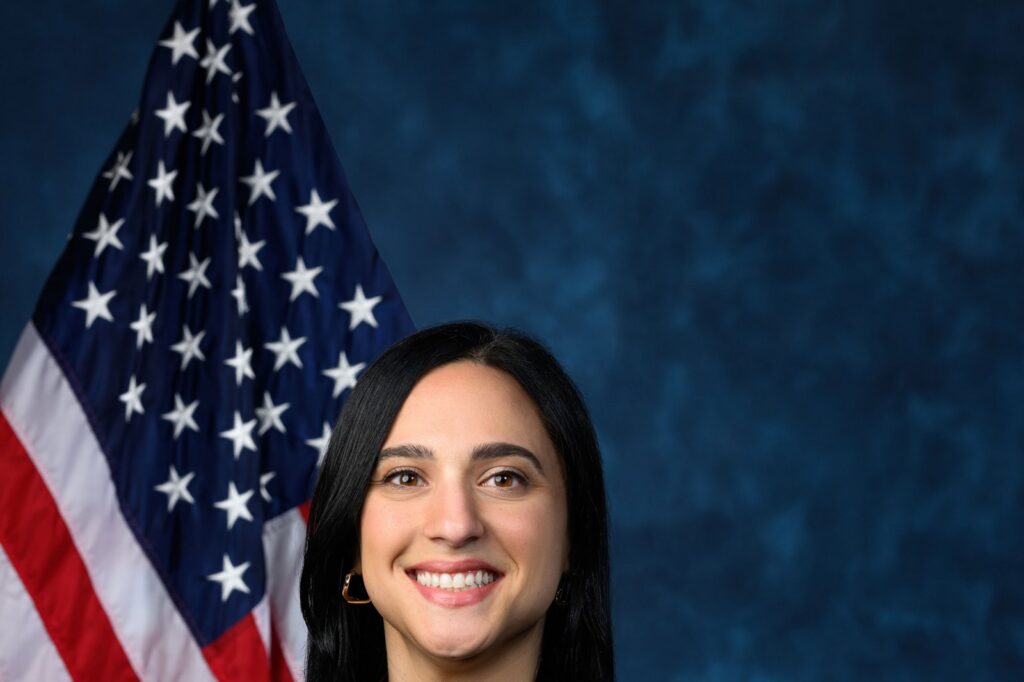
Congresswoman Yassamin Ansari called for an agenda to pause advanced AI development just one day after the Democrats swept the U.S. midterm elections. The Arizona representative said on X that the “out of control” industry needs to be regulated, and she even went as far as calling for the ban of artificial superintelligence. This move comes after the majority of Americans voted against AI data center issues on the ballot during the November 3 election, with concerns about utility hikes, noise pollution, and impacts of power-hungry campuses driving the backlash.
Regulatory Framework
Ansari’s proposed regulatory framework is modeled after aviation and pharmaceutical safety standards. She has been building toward this for months, arguing that AI deserves the same regulatory treatment as other high-risk sectors. The Congresswoman’s agenda has three parts: an immediate pause on the development of advanced AI systems, comprehensive federal rules governing the industry, and a permanent ban on artificial superintelligence, which she has described as a potential existential threat to humanity.
Industry Reaction
Tech leaders have reacted to Ansari’s demands, with Elon Musk posting “It’s a Brave New World” in response. Musk’s commentary followed a statement shared by Ansari on X, in which she argued that regulating the sector should be an immediate priority. The entrepreneur’s reaction is not surprising, given his extensive financial support for Republican campaigns during the election cycle. However, the Democratic victory has strengthened the party’s position in Congress, giving them greater scope to challenge President Donald Trump’s legislative agenda and push forward aggressive oversight of technology and artificial intelligence.
Trump Administration’s Stargate Project
The Trump administration’s Stargate initiative, a $500 billion investment involving OpenAI and Oracle, may face disruption from the new Democratic agenda. The project aims to provide the enormous computing capacity required to develop and operate increasingly advanced AI systems. However, building these facilities comes with significant demands on America’s electricity supply, land, and other resources. The Democratic victory has raised questions about how Congress could potentially impact government policies, including the Trump administration’s interest in the expansion of AI.
What’s Next
As the new Congress begins in January 2027, Ansari’s proposal is likely to face significant hurdles. Defining “exceeding human cognitive performance” in a way regulators can actually enforce is not trivial, and standing up a new cabinet-level department would require significant resources. Nevertheless, the shift in power in DC has set the stage for a potential “AI earthquake” upending American politics. As Congressional Progressive Caucus Chair Greg Casar described it, the Democratic victory is “the early tremor of a much bigger AI earthquake.” The trend underneath this development is a growing concern about the pace of AI progress, with prominent figures like Bill Gates and Geoffrey Hinton voicing worries about how fast the technology is advancing. Watch this space as the debate over AI regulation continues to unfold, with the next scheduled date for the new Congress to convene being January 2027.
Sources
- Congresswoman calls for artificial superintelligence ban after Democrats' seismic midterm sweep — demands regulation of 'out of control' industry and pause on advanced AI
- Congresswoman calls for artificial superintelligence ban after Democrats' seismic midterm sweep — demands regulation of 'out of control' industry and pause on advanced AI
- Democrats congress sweep predicted to trigger 'AI earthquake' as tech leaders react
- Congresswoman Yassamin Ansari calls to ban artificial superintelligence and pause advanced AI development
- "It's a brave new world": Elon Musk fires back as Democrat demands pause on advanced AI, ban on superintelligence | Business
Photo: United States Congress (Public domain)