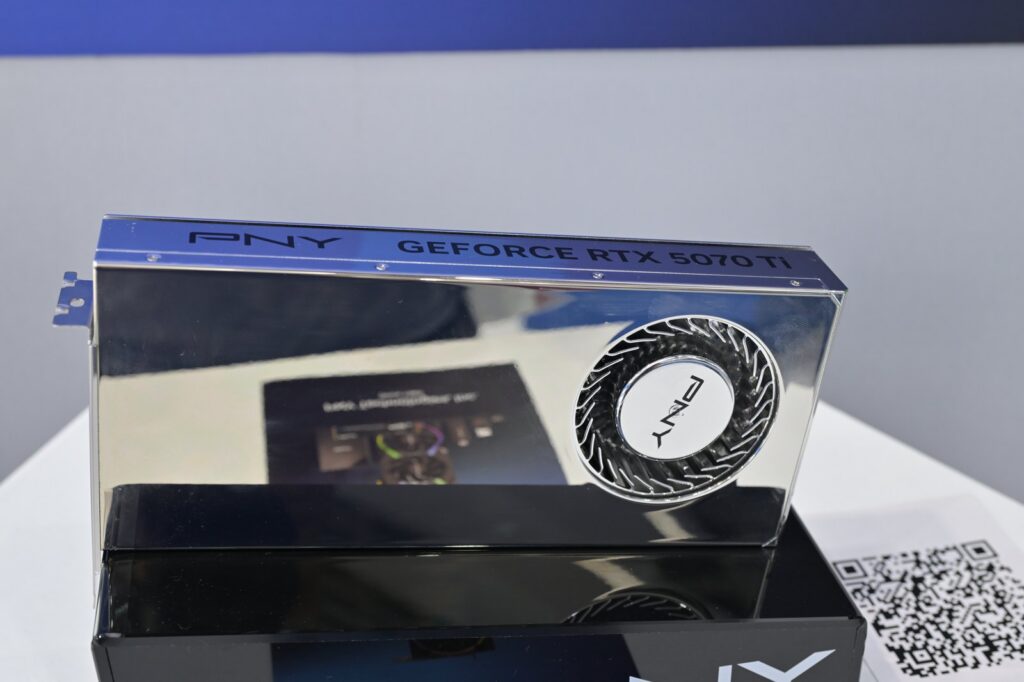
The shift is here: local LLM development is becoming a lifetime purchase for hobbyists. A Japanese developer spent ¥900,000 (~$6,000) on a desktop PC, calling it “the most expensive purchase of [their] life” due to soaring component costs. This new reality reshapes hardware choices, forcing a trade-off between performance, VRAM, and unified memory as open-source models demand more power and budgets stretch thinner.
The ¥900,000 PC: A Lifetime Purchase for AI Hobbyists
The project began modestly with an external GPU dock housing a 5060ti 16GB connected to a GPDwinMAX2 32GB laptop. At first, the builder believed a model like Qwen3.8-27B would be sufficient for local LLM work. However, the landscape changed quickly with the release of new optimizations like Strata and Qwen3.8-flash-next. These technologies allow models larger than Qwen3.8-27B to run at practical speeds on configurations with less VRAM, igniting excitement in the local LLM community. The desire to join this trend prompted a significant hardware upgrade.
The cost of components proved to be a major hurdle. The original 5060ti 16GB, purchased for 100,000 yen, saw its price rise to 150,000 yen. Considering alternatives, the builder looked at second-hand RTX3090 24GB cards, which were listed around 200,000 yen, but they were quickly wiped from the market. This led to the decision to build a new desktop PC, a process that culminated in the ¥900,000 investment. For this developer, the machine is no longer just a tool; it’s a long-term commitment.
Hardware Priorities: VRAM, Optimizations, and the Unified Memory Question
The rise of model optimizations has fundamentally shifted hardware priorities. Newer techniques allow smaller-VRAM GPUs to run bigger models efficiently, reducing the need for prohibitively expensive high-end hardware. This means developers can now achieve practical performance with more modest graphics cards, a significant shift from the earlier belief that massive VRAM was the only path forward. The trend underneath is a move toward smarter software that maximizes existing hardware.
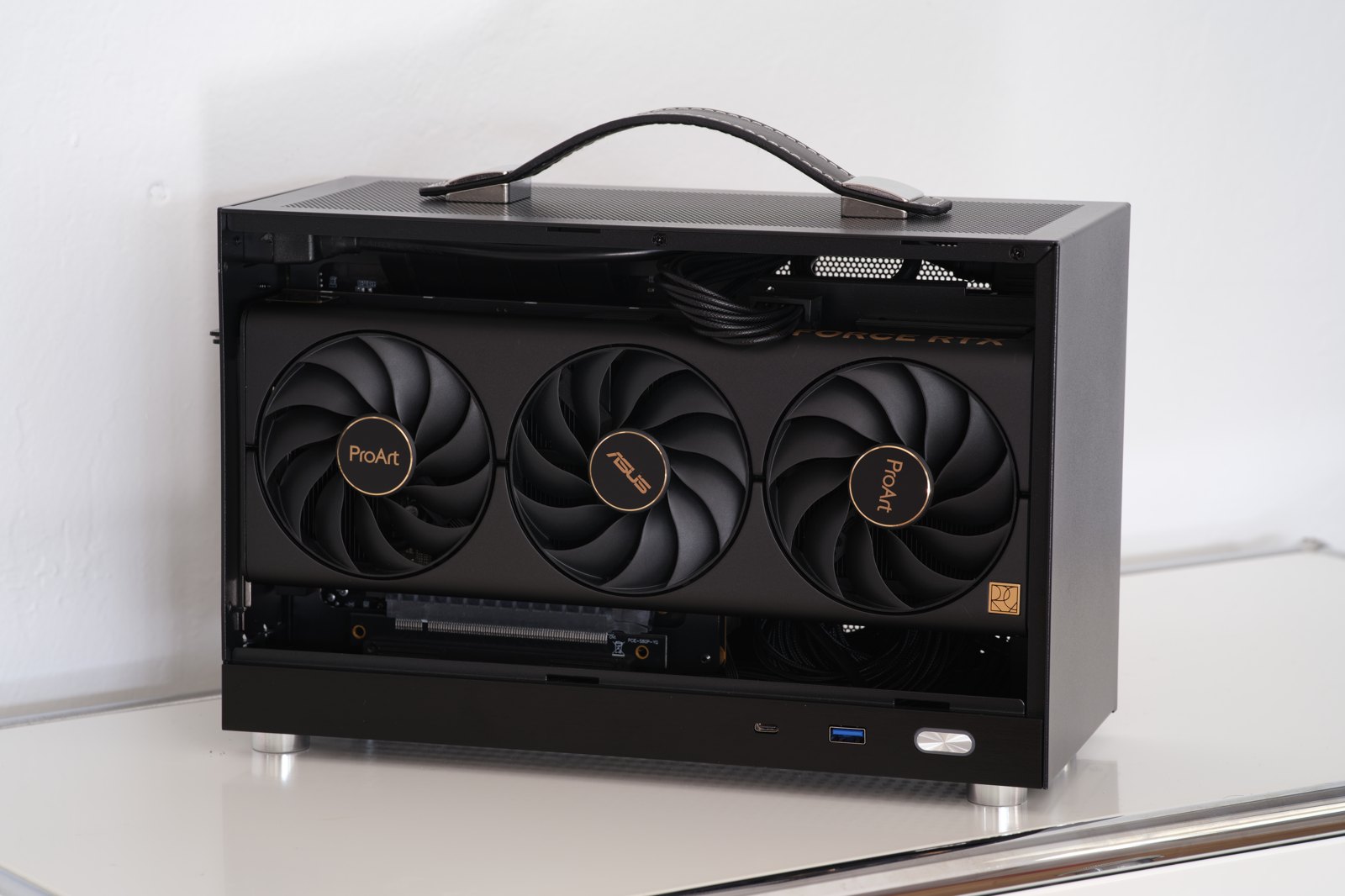
The build itself highlights the key components and their trade-offs. While the Ryzen 7 7800X3D remains a top gaming CPU with its 8 cores, 16 threads, and 5GHz boost clock, its relevance for LLM workloads is less clear. The builder considered unified-memory systems, such as Apple’s M-series, but deemed them impractical for their specific workflow. This points to a persistent challenge: while unified memory is elegant, it may not fit the needs of developers who require the flexibility and power of traditional desktop architectures.
Market Squeeze: Data Centers Hoard GPUs, Pushing Consumer Prices Up
This personal hardware journey is playing out against a backdrop of a slumping PC market. Global PC shipments fell 22.4% year-over-year in Q3 2026 as data center GPU demand surged 92%, driving up prices for consumer hardware. Major manufacturers like Lenovo, HP, and Dell saw shipments drop between 22% and 31% in the same period, passing on rising memory and storage costs to buyers. The result is a market where consumer hardware is becoming more expensive and less available.
The divergence is stark. While endpoint devices like personal computers see declining shipments, data center investment is booming. This reflects a decreasing market for general-purpose PCs and the growing influence of AI infrastructure on hardware demand. For businesses, the shift means targeted investments in workstations and AI PCs over broad replacement programs. For consumers, it means higher prices and a longer lifespan for existing equipment, as Gartner projected PC lifetimes would extend by 15% for business users and 20% for consumers by the end of 2026.
What Comes Next: Used Hardware, Edge Devices, and Hidden Costs
Faced with these challenges, developers are exploring alternatives. Used hardware or external GPU setups may offer cost savings, but they come with persistent issues like latency and power constraints. Another path is to factor in the often-hidden costs of local AI, including electricity and time. Even a powerful $7,000 laptop incurs significant operational expenses. One researcher noted that once the hardware is paid for, the marginal cost of running large computations disappears, making entirely new amounts of computation reasonable. This economic argument is reshaping how developers think about local AI investment.
Meanwhile, a different trend is emerging in ASEAN markets. There is a pivot toward “functional” hardware, such as the Vivo X500 smartphones and LUMOS tablets, as AI demand shifts from the cloud to the edge. These devices are designed for practical, everyday computing, solving specific workflow challenges without the premium cost of flagship machines. This suggests a future where the hardware for local AI may not always be a high-end desktop, but could also be a purpose-built, accessible device designed for a specific task.
Sources
- I finally built a PC for local LLMs for 900,000 yen. The price hike of PC parts is insane.|かっぱず
- Computer hardware
- Best tech and PC Hardware Deals 2026 — deals on GPUs, CPUs, SSDs, Monitors, and more
- I burned through 220,000 AI tokens just because I could
- PC shipments slump as data center investment surges
- Silicon Pragmatism: The Week Real Hardware Took Center Stage in Asia – MICROWIRE.news APAC
Photo: 4300streetcar (CC BY 4.0)