Mindanao Quake Leaves 32,000 Displaced, Economy at Risk
GENERAL SANTOS — The number of displaced people now exceeds 32,000. That figure, reported Tuesday, may be the most telling measure of the earthquake’s reach. The death toll stands at 37. But the living — those whose homes are gone or too dangerous to enter — present a longer-term problem for this southern Philippine city.
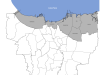
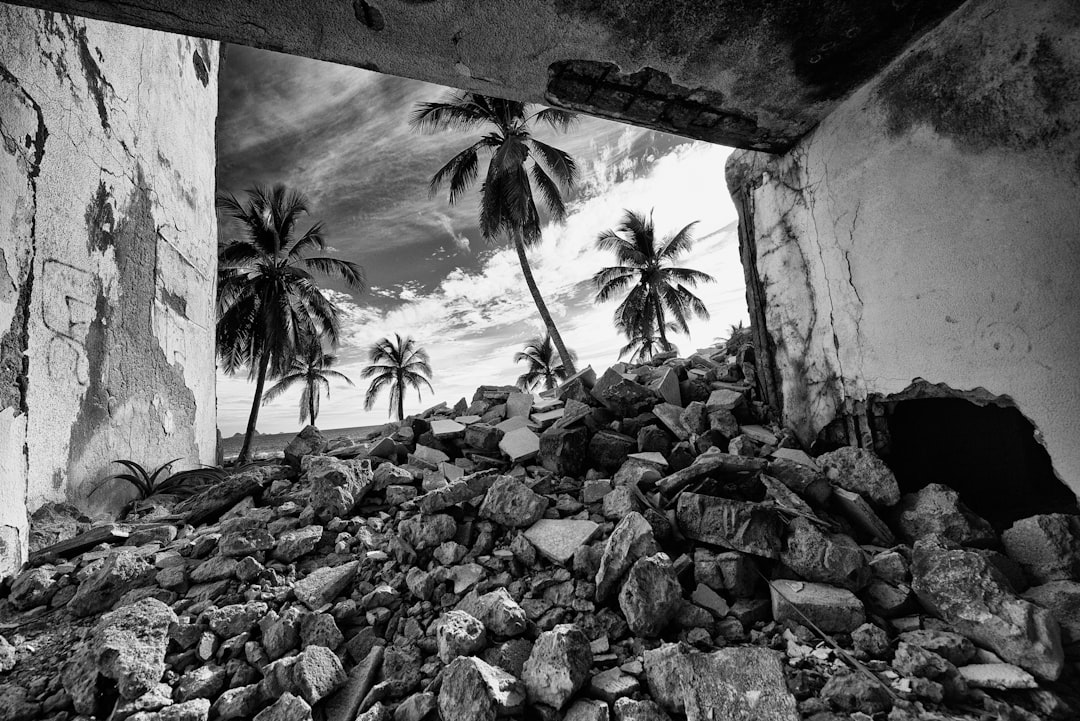
The quake struck off Mindanao, the country’s second most populous island. General Santos, a major commercial hub, took the brunt. Buildings and homes were reduced to rubble. Roads are blocked by debris. Power lines are down. Emergency responders are moving through the wreckage, but access is slow.
Nobody knows what the coming days will bring. That uncertainty hangs over the relief effort.
The Philippine government has deployed rescue teams. They are digging for people trapped under collapsed structures. The number of missing has not been stated, but the search continues. The city’s infrastructure damage makes every step harder. Blocked roads slow trucks carrying supplies. Downed lines mean no electricity for many neighborhoods. Communications are spotty.
Beyond the immediate rescue work, there is the economic toll. General Santos is a commercial center. Its port and markets drive trade for the region. A quake that levels buildings and cuts power for days or weeks will hit local businesses hard. The report notes concerns about the long-term impact on the region’s economy. Those concerns are not abstract. Shops cannot open. Warehouses are damaged. Supply chains are broken.
International attention is turning toward the Philippines. The United States has a long history of providing humanitarian assistance here. The report states the U.S. will likely play a significant role in relief efforts. The Philippines is a key ally in Southeast Asia, so American interest is strategic as well as humanitarian. Other countries are also offering support. The Philippine government has not yet detailed what foreign aid it will accept or how it will be distributed.
Residents in General Santos spent Tuesday assessing damage. Many described their homes shaking violently during the quake. That shaking was enough to collapse walls and bring roofs down. For those who survived, the memory is raw. No named survivors are quoted in the report. But the report mentions one survivor recalling the home swaying. That detail is the human core of the story — a person inside a building that moved like a ship at sea.
The death toll of 37 could rise. Rescue crews are still sifting through rubble. The full extent of the damage is not yet clear. The government has not given a final count of destroyed buildings. What is clear is that more than 32,000 people are now homeless or displaced. They need shelter, food, water, medical care. The Philippine government is working to provide that. International help is on the way.
The earthquake struck on Monday. By Tuesday, the scale of the disaster was coming into focus. General Santos is a city of hundreds of thousands. A quake of this strength does not just break buildings. It breaks routines, livelihoods, and the sense of safety. The coming days will test the city’s ability to recover. The international community is watching. The U.S. has a strong interest in the region. But for now, the work is local — hands pulling debris, neighbors checking on neighbors, responders moving through blocked streets.