Delhi residents sweltered through the hottest May in two years. They also breathed the cleanest air in five years. That is the paradox of this month. One extreme is a health threat. The other is a reprieve. Both happened at once. The question is whether they are connected, and whether either will last.
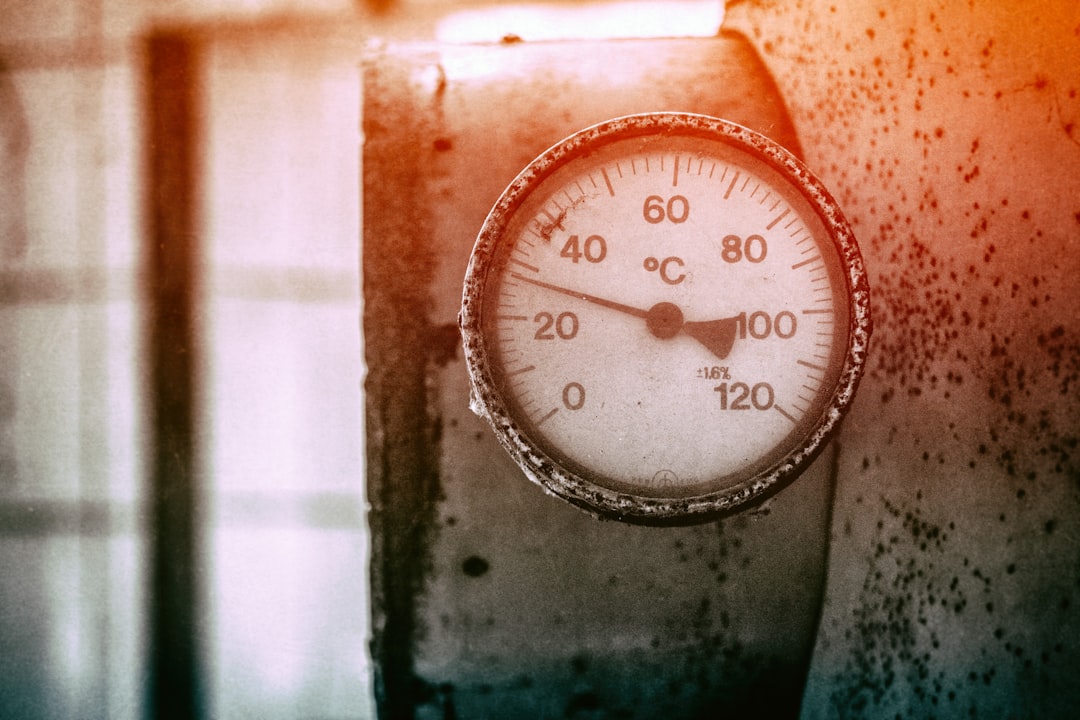
The heat is straightforward. Temperatures rose sharply. The city’s infrastructure — limited green cover, concrete surfaces, dense population — amplifies the effect. For those without air conditioning or reliable power, the month was brutal. Heatstroke cases climbed. Nighttime offered little relief.
The clean air is the surprise. Delhi’s air is notoriously toxic, especially in winter, when stubble burning and low wind trap pollutants. May is usually better. But this year was exceptional. The city recorded its best air quality for the month in half a decade. Residents could see clearer skies. Outdoor activities became possible without the usual burning eyes or coughing fits.
What drove the improvement? The report points to weather patterns. That is vague but honest. Meteorologists would point to wind direction, rainfall, and temperature inversions. None of those are policy wins. They are luck. Monsoon pre-season storms likely helped. Stronger winds disperse pollutants. Rain washes them out. The same heat that made life uncomfortable may have accelerated air movement, clearing the haze.
This matters because Delhi has tried everything — odd-even car schemes, construction bans, smog towers, anti-cracker laws. None of it delivered a five-year air quality record. Nature did it in a month. That is not a solution. It is a weather event.
So where does this lead? The next few months will decide. If the monsoon arrives on time and dumps enough rain, the clean air might persist into June and July. That would be a rare run of decent air. But the heat will remain. The combination is unstable. Hotter weather increases energy demand — more air conditioning, more coal-fired power, more emissions. The clean air could be temporary, a brief window before the cycle resets.
For residents, the immediate experience is mixed. You can breathe easier but you cannot stay outside long. The heat limits the benefit of clean air. Parks are emptier during peak hours. Vendors and construction workers bear the worst of both extremes — direct sun exposure and, for those working outdoors, the dust kicked up by dry heat.
The city’s environmental landscape has shifted. But it shifted because of atmospheric forces, not human planning. That is fragile. A change in wind patterns, a weak monsoon, a return of crop burning in neighboring states — any of those could reverse the gain. Delhi has seen this before. Good air in May does not guarantee good air in November.
The real test is whether the city can hold onto the clean air when the weather stops cooperating. That would require policy. It would require cutting emissions at the source, not just waiting for rain. So far, Delhi has not managed that. The May record is a reprieve, not a victory. It shows what is possible — and how little control anyone has over it.