Behind Honor’s Half-Marathon Robot: Chinese AI Investment Pays Off
Beijing, April 19 — The human world record for a half marathon is 57 minutes and 31 seconds. A humanoid robot built by Chinese company Honor just ran 42.195 kilometers in 50 minutes and 26 seconds. That is a seven-minute gap. It is a gap that tells a story about money, national strategy, and the speed of change in robotics.
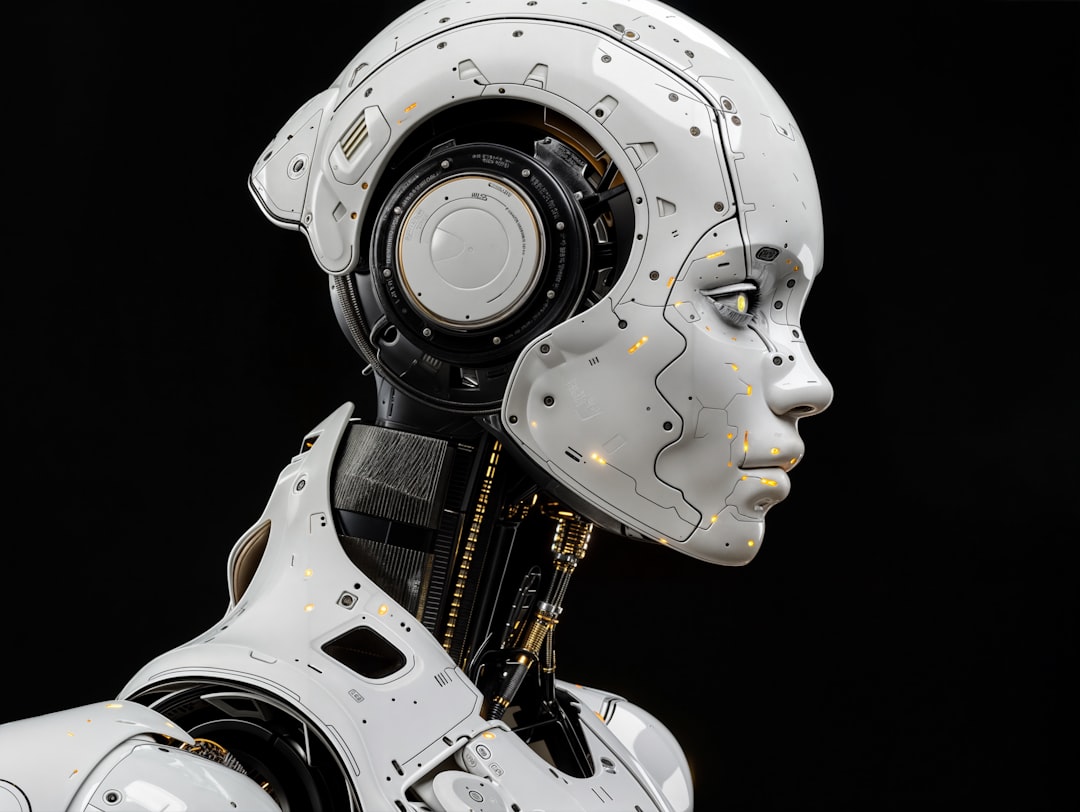
The robot finished the race in Beijing on Sunday. Its time shattered what any human has ever done over the distance. The machine is anthropomorphic — torso, head, two arms, two legs — built to work in human spaces. But on Sunday it was not working. It was running. And running fast.
This is not a laboratory stunt. China has poured serious resources into AI and robotics research. The result is a machine that can outperform a trained human athlete in a physically demanding, long-duration task. That has implications. Some are good. Some are not.
Let’s start with the obvious. Humanoid robots are designed to operate in environments built for people. They climb stairs, open doors, use tools. A robot that can run a half marathon in under an hour can probably do other things. Carry equipment over rough ground. Move through a factory floor at speed. Patrol a perimeter. The design philosophy behind humanoids — form follows human form — makes them adaptable. It also makes them useful in ways that wheeled or tracked robots are not.
Honor’s achievement signals that Chinese robotics has reached a new level of physical capability. The half marathon is not just a test of speed. It is a test of endurance, balance, power management, and real-time control over 21 kilometers of changing terrain. The robot handled it. That suggests the underlying systems — motors, batteries, sensors, algorithms — are mature enough for real-world deployment.
So where does this lead?
Employment is the first concern. A robot that can outrun a human can likely outwork a human in many physical jobs. Warehouses, construction sites, delivery routes. The report notes worries about the impact on jobs and the need for workers to adapt. Those worries are real. A machine that never tires, never asks for a raise, never calls in sick — that changes the math for employers.
Military applications are another front. A humanoid robot that can run a half marathon in 50 minutes can cover ground faster than most soldiers. It can carry loads, navigate urban terrain, and operate in hazardous environments. The report flags the need for international cooperation to control these technologies. That is easier said than done. China is not waiting.
The race itself was a demonstration. But demonstrations are not neutral. They are signals. Honor showed Beijing — and the world — what its hardware can do. The message is clear: Chinese robotics is competitive at the highest level. The investments made in AI research are producing real, measurable results.
None of this means human runners are obsolete. It does mean that the boundary between human and machine physical performance has shifted. The half marathon record now belongs to a robot. The next record might belong to a different robot. Or a faster one.
What happens after that is not a technical question. It is a political and economic one. The technology exists. The question is who controls it, and for what purpose. Sunday’s race in Beijing did not answer that. It just made the question more urgent.