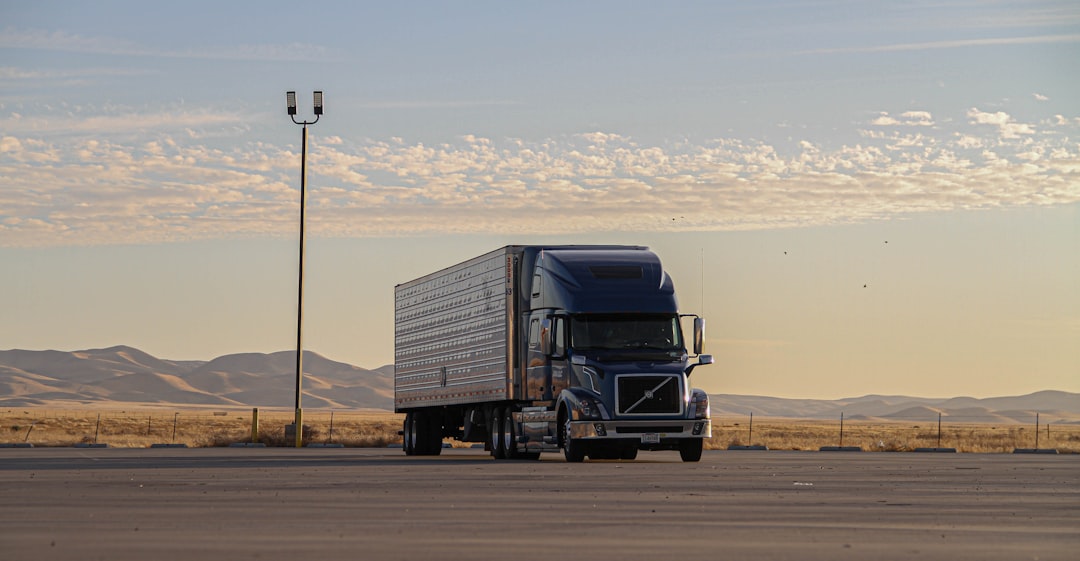
Freight companies that have been waiting years for a battery-electric Class 8 truck finally have a date circled on the calendar. Tesla announced April 29, 2026, as the start of volume production for its Semi. That date lands nearly nine years after the company first showed two concept versions of the truck in November 2017.
The production ramp matters because demand has been building without a steady supply. Tesla has been making Semis in small numbers since October 2022, when it finally started production after a series of missed deadlines. CEO Elon Musk had originally promised the truck would hit the assembly line in 2019. The few trucks that did roll out went to PepsiCo in December 2022 as initial deliveries. Those early units gave the industry a taste of what the Semi can do, but they were never enough to shift freight patterns at scale.
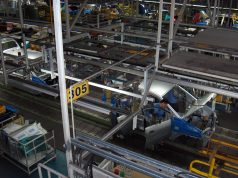
Now Tesla plans to build 50,000 Semis per year at its new manufacturing facility adjacent to Giga Nevada. That volume would make the Semi a real competitor in a market dominated by diesel-powered rigs. The company is betting that operators will switch to electric for two main reasons: lower operating costs and lower emissions.
The numbers from Tesla support that bet. The Semi uses less than two kilowatt-hours per mile. That is roughly one-third the energy cost of a typical diesel truck. For a fleet running hundreds of thousands of miles a year, the savings add up fast. The truck also hauls up to 45,000 pounds of cargo, which puts it in the same weight class as standard diesel semis. Buyers are not forced to sacrifice payload capacity to go electric.
Two range options give fleets flexibility. One model covers 325 miles on a charge. The other stretches to 500 miles. Those ranges cover regional haul routes and some long-haul lanes, though cross-country runs still fall short. Battery weight has been a concern in the industry, but Tesla says the volume-production Semi will weigh the same as a comparable diesel truck. That is a hard engineering problem, and solving it removes a major objection from potential buyers.
The broader effect on the freight industry could be significant. Trucking accounts for a large share of transportation emissions in the United States. A shift to battery-electric trucks at scale would cut carbon dioxide output from the sector. It would also reduce dependence on diesel fuel, which is subject to price swings and supply disruptions. Companies that have set their own sustainability targets now have a viable option in production quantities.
PepsiCo’s experience with early Semis will be watched closely. If the trucks perform well in real-world fleet operations, that will accelerate adoption. If problems emerge, it will give competitors time to catch up. Other manufacturers are developing electric trucks, but none have announced production plans at the scale Tesla is promising.
One open question is charging infrastructure. A fleet of 50,000 Semis per year will need massive amounts of charging capacity. Tesla has not detailed how it will support customers in building that infrastructure. Another question is price. Tesla has not released final pricing for the volume-production models. Those details will determine whether the Semi is a niche product or a mainstream option.
April 29, 2026 is still a year and a half away. Tesla has missed deadlines before. But if the company hits this one, the freight industry will look different. Cheaper operation, zero tailpipe emissions, and equal payload capacity make a strong case. The question now is whether the trucks can deliver on the specs in daily use across thousands of fleets.