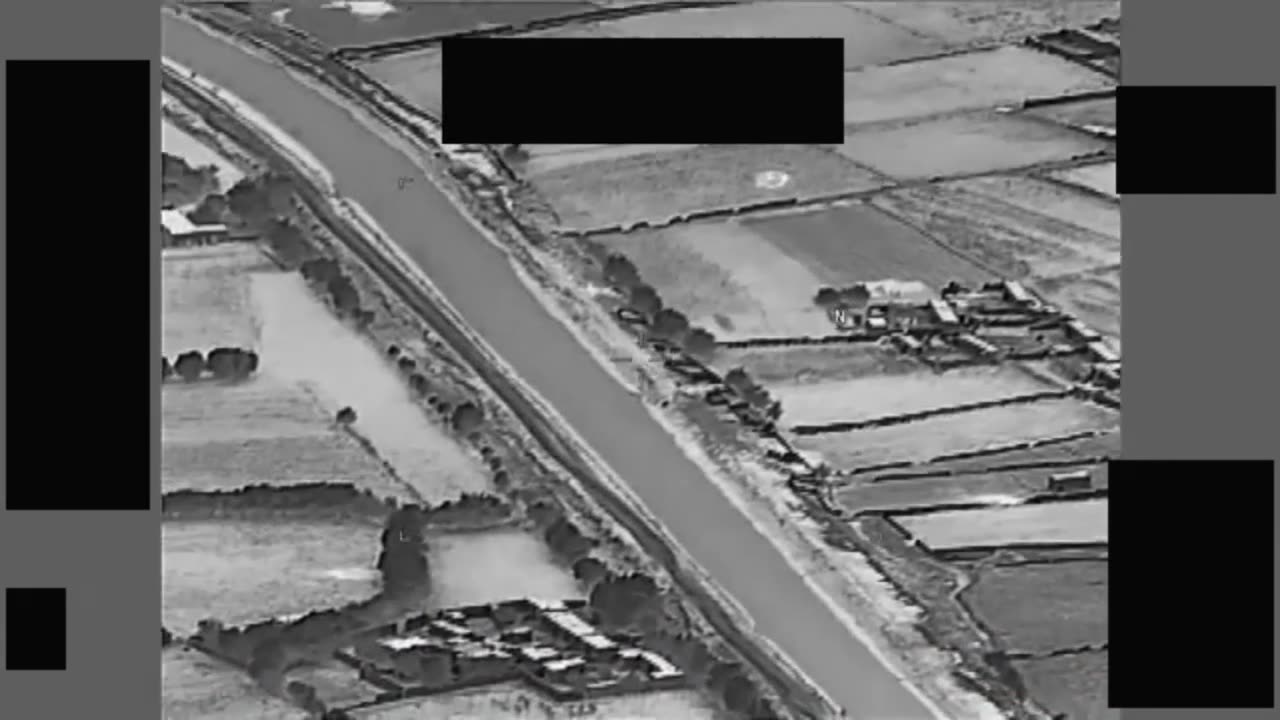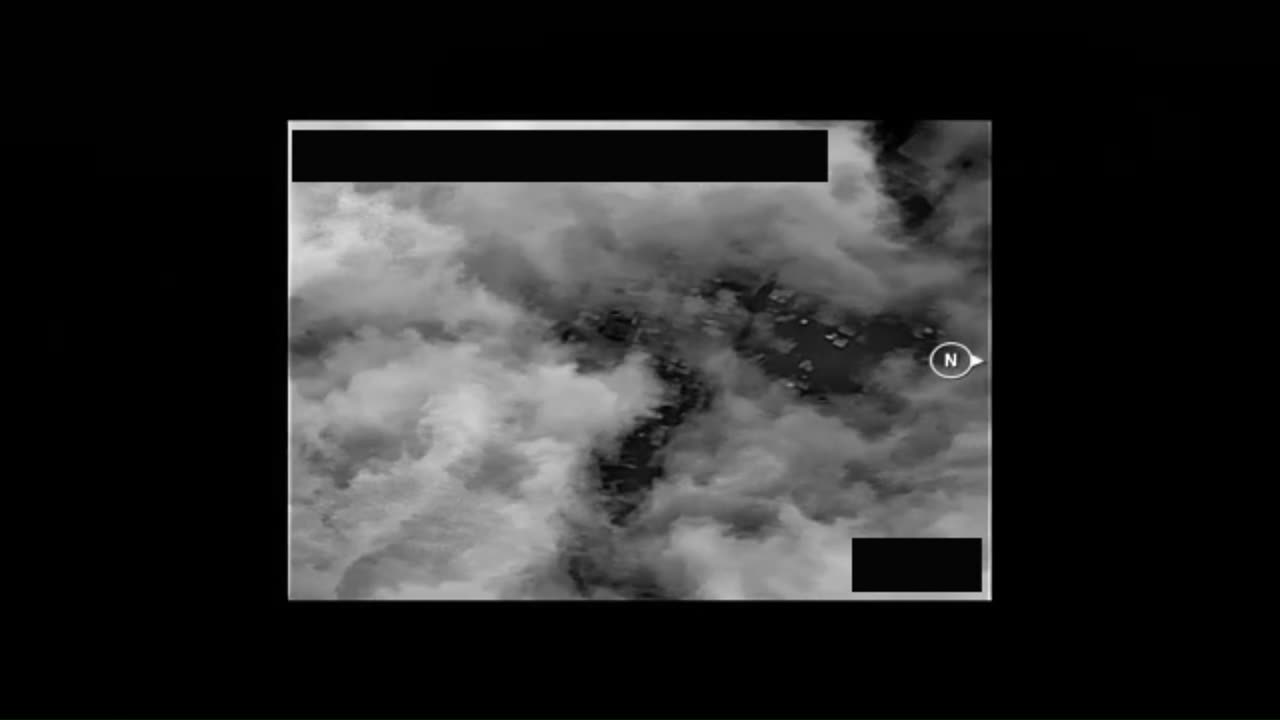
The Department of War’s decision to declassify a 2020 UAP encounter in the Middle East is already rippling through policy circles and public debate. The report, labeled PR37, details an object tracked by multiple military sensors that performed in ways no known aircraft or natural phenomenon can explain. Analysts at the All-domain Anomaly Resolution Office reviewed the data. They could not tie it to any foreign adversary technology, atmospheric event, or conventional source. The case remains open.
This release is not an isolated document dump. It is the direct product of the PURSUE policy framework, which the Pentagon established in 2023. That framework mandates the controlled declassification of UAP records. PR37 is the latest test of that system. How the public, Congress, and the military itself react to this unresolved case will shape whether PURSUE is seen as a genuine transparency mechanism or a bureaucratic exercise in managed disclosure.
The timing matters. The incident occurred in 2020. The report was only made public in 2026. That six-year gap raises questions about what else remains locked away. The Department of War has not said how many similar reports are pending review under PURSUE. The metadata on PR37 confirms the file is unresolved. That is a significant detail. It means the government is willing to admit it has no answer. For a department built on assessments and conclusions, that is an unusual posture.
The sensor data itself is the core of the matter. The report notes the encounter was recorded by multiple sensors, producing a multi-modal dataset. That is military jargon for “we saw it from different angles with different tools.” Single-sensor anomalies are common. Glitches happen. But when several independent systems all register the same object doing the same impossible things, the odds of a mundane explanation shrink. The report explicitly states the data quality was sufficient for analysis. That eliminates the easy out of blaming faulty equipment.
What comes next is unclear. The AARO analysts have done their work. They compiled the file, reviewed the footage, and wrote their conclusion: unknown. The ball now moves to other parts of the government. Congress has shown increasing interest in UAP issues over the past few years. This report gives them a concrete, declassified case to point to. It is not a rumor or a leaked video. It is an official document stamped by the Office of the Secretary of Defense.
For the military personnel who operated the platform that day in 2020, the release is likely a mixed moment. Some may feel vindicated. Others may face renewed scrutiny. The report does not specify the exact platform or sensor type. That is standard operational security. But the people who were there know what they saw. The document now confirms that the system they trusted to tell them what was in the sky agreed with their eyes.
The broader effect is on public trust. For years, the UAP conversation was dominated by grainy footage and anecdotal accounts. PR37 is different. It is a structured, multi-sensor, analyzed record that the government chose to release. It does not provide answers. It provides data. And it leaves the question hanging. That is the uncomfortable part. The government has looked at the evidence and said, in effect, we do not know what this is. For a nation that spends hundreds of billions on defense and intelligence, that is a statement with consequences.