
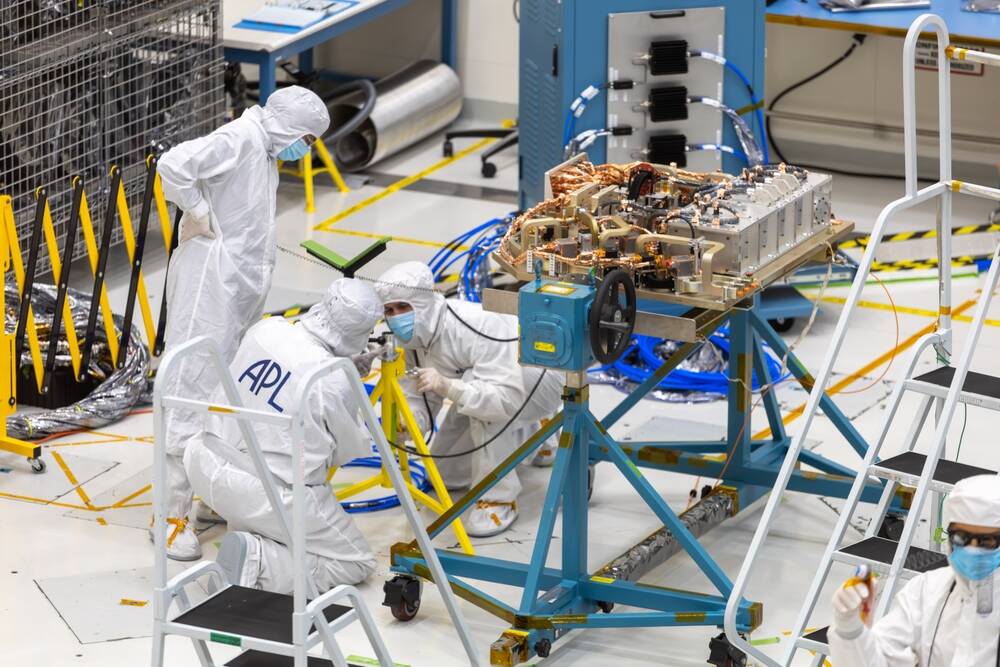
PASADENA, June 10 — Engineers at NASA’s Jet Propulsion Laboratory have tested an experimental magnetoplasmadynamic (MPD) thruster that runs on lithium propellant, turning the metal into plasma and accelerating it with magnetic fields. The design aims to combine the high thrust of chemical rockets with the fuel efficiency of electric propulsion – a long-standing goal for deep-space travel.
In testing the prototype reached about 120 kilowatts of power, well beyond the electric thrusters used on missions such as NASA’s Psyche asteroid probe.
A real crewed Mars mission would require megawatt-scale power and the ability to run continuously for years, so the technology remains at an early prototype stage. Despite this, the test marks a step toward faster, more efficient propulsion that could shorten transit times to Mars and support more ambitious exploration.
The work reflects a broader push to develop next-generation electric and plasma engines for missions beyond low Earth orbit.
The development of more efficient propulsion systems is a key area of research. The MPD thruster tested at the Jet Propulsion Laboratory is a promising technology that could potentially be used for a variety of deep-space missions. The fact that it reached about 120 kilowatts of power in testing is a significant achievement.
As researchers continue to develop and refine this technology, it is likely that we will see advancements in space exploration. The next steps for the MPD thruster will be critical in determining its potential for use in future missions.
The potential for faster, more efficient propulsion systems is an exciting development, and one that could have a major impact on the future of space travel.
What’s next for the MPD thruster and its potential applications will be closely watched. As NASA and other space agencies continue to push the boundaries of space exploration, the development of innovative technologies like the MPD thruster will be critical to achieving their goals.
With its potential to combine high thrust with fuel efficiency, this technology could play a key role in shaping the future of space travel.






























 thruster that runs on lithium...)