
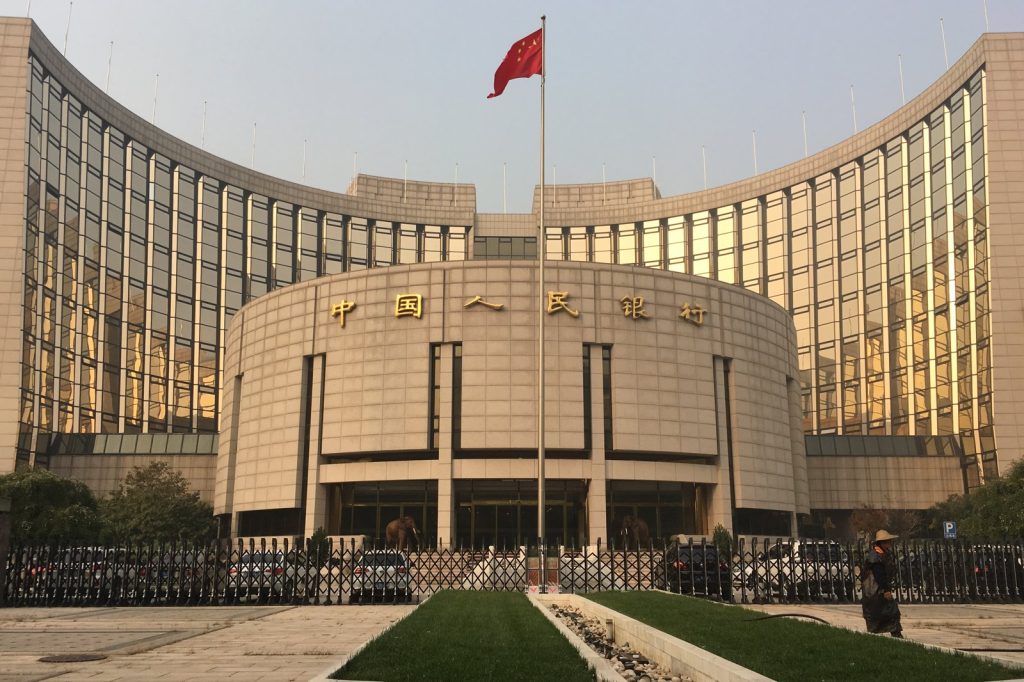
BEIJING, July 14 — China’s renminbi has made measured but still limited progress in its push to become a global reserve currency, according to data and policy milestones that span more than a decade and a half. The People’s Republic began actively promoting renminbi internationalization in 2009. That effort included the establishment of offshore RMB centers in Hong Kong, London, and Singapore, creating hubs where the currency could be traded and settled outside the mainland.
In 2015, China launched the Cross-Border Interbank Payment System (CIPS) as an alternative to SWIFT, the dominant global messaging network for cross-border payments. The International Monetary Fund added the renminbi to its Special Drawing Rights basket in October 2016, a formal recognition of the currency’s growing role in global trade and finance.
That move was widely seen as a milestone for Beijing’s ambitions. Yet the numbers tell a more cautious story. As of 2023, the renminbi accounted for only 2.7% of global foreign exchange reserves and about 2% of foreign exchange transactions, figures that remain far below the dollar’s share.
Digital yuan and alternative payment systems
China has also pushed ahead with central bank digital currency development. As of 2024, over 100 countries were exploring CBDCs, with China’s digital yuan, known as the e-CNY, being the most advanced. The e-CNY had reached 260 million users by 2023, according to available data.
Russia and Iran have meanwhile increased their use of alternative payment systems to bypass US sanctions, a trend that could provide additional momentum for non-dollar settlement channels. The dollar’s position has faced periodic challenges before.
The euro, introduced in 1999, was initially viewed as a potential rival to the greenback’s dominance. As of the latest available figures, however, the euro has not surpassed 20% of global reserves.
Sustained dollar dominance
Despite these various challenges, the dollar’s reserve currency status has so far been sustained by what analysts describe as network effects, deep and liquid financial markets, and the rule-of-law framework underpinning the US financial system. Those structural factors have kept the dollar as the primary currency for global trade, investment, and central bank reserves, even as alternative systems develop. The renminbi’s trajectory remains one to watch, but the gap between ambition and current reality is significant.
The currency’s share of global reserves and transactions, while growing from a very low base, still places it far behind not only the dollar but also the euro, yen, and pound sterling in the hierarchy of international currencies.




