
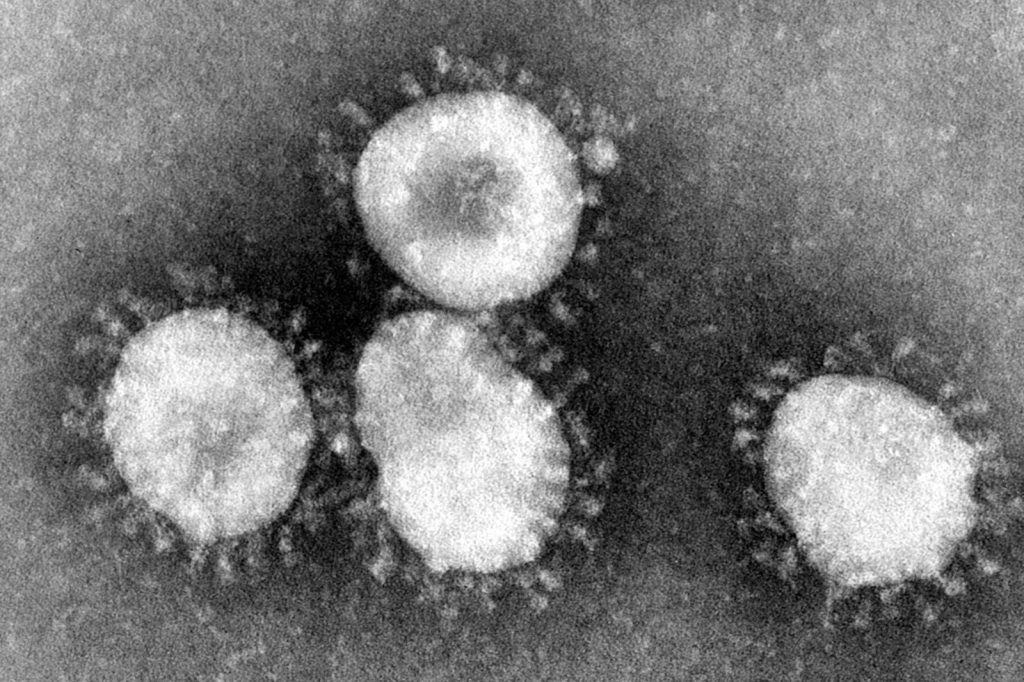
On January 29 2020, it was revealed that BlueDot, a Canadian artificial‑intelligence health‑monitoring system, identified the novel coronavirus outbreak in Wuhan, China, on December 31 2019—seven days before the U.S. Centers for Disease Control and Prevention (CDC) and the World Health Organization (WHO) issued public warnings. Founded by infectious‑disease physician Dr. Kamran Khan, BlueDot’s algorithm scans global news outlets, official health bulletins, airline ticketing data and other open‑source information in 65 languages.
By cross‑referencing language‑specific reports with travel‑pattern anomalies, the platform can spot unusual clusters of illness that might escape human analysts. Once the AI flags a potential event, epidemiologists on the BlueDot team verify the signal and disseminate alerts to government agencies, hospitals and private‑sector partners. The system’s first coronavirus alert coincided with the day Chinese officials reported a cluster of pneumonia cases to the WHO.
However, Chinese authorities did not confirm human‑to‑human transmission until January 20, 2020, and the WHO only declared a global health emergency on January 30. The week‑long interval between BlueDot’s warning and the formal recognitions by the CDC and WHO highlighted a lag in traditional surveillance mechanisms.
BlueDot’s early detection was part of a broader pattern of pre‑emptive alerts. Launched in 2014, the platform previously forecast the Zika virus spread in Florida, a finding later published in *The Lancet*. It has also tracked Ebola, SARS and other infectious threats, consistently generating warnings ahead of official reports.
According to the company’s website, the service aims “to help governments protect their citizens, hospitals protect their staff and patients and businesses protect their employees and customers.” While the AI‑driven notice gave governments and corporations a potential head start, many recipients did not act on the information, underscoring that alerts are only valuable when they trigger concrete responses. The Chinese government’s delayed public acknowledgment of the outbreak raised concerns about transparency in public‑health crises.
Early in the epidemic, officials restricted information flow and penalized doctors who attempted to raise alarms. By the time Beijing formally recognized the situation, the virus had already crossed borders. Health authorities in the United States and the WHO have since expressed interest in integrating AI tools like BlueDot into their surveillance networks.
Both agencies acknowledge that machine‑learning platforms can bypass information bottlenecks, especially when governments suppress or delay data. BlueDot’s methodology differs from conventional disease monitoring, which relies heavily on official case reports.
By processing unstructured data from news stories, social media, and travel records, the AI can detect emerging patterns in near real‑time. Nonetheless, experts caution that technology alone cannot resolve gaps in global health security; political will, open communication and rapid decision‑making remain essential. The coronavirus pandemic exposed vulnerabilities in existing detection systems.
AI platforms such as BlueDot demonstrate that earlier warnings are technically feasible, but their impact depends on whether authorities heed the alerts and implement timely interventions. As the world confronts future infectious‑disease threats, the balance between advanced analytics and transparent governance will shape the effectiveness of pandemic preparedness.
{“@context”: “https://schema.org”, “@type”: “NewsArticle”, “headline”: “Canadian AI detected coronavirus outbreak days before global health agencies.”, “description”: “On January 29 2020, it was revealed that BlueDot, a Canadian artificial‑intelligence health‑monitoring system, identified the novel coronavirus outbreak in Wuha”, “datePublished”: “2026-06-27T09:30:00+00:00”, “author”: {“@type”: “Person”, “name”: “Beatrice Bianchi”}, “publisher”: {“@type”: “Organization”, “name”: “InfoPulse Today”, “url”: “https://newsfeed.infopulsetoday.com/”}, “image”: “https://myfrontpage.info/wp-content/uploads/sites/16/2026/05/canadian-robot-detected-ncov-earlier-than-health-officials-1-scaled-4.jpg”}




