
Amazon Unveils Alexa+ Generative AI Overhaul
On February 26, 2025, Amazon introduced Alexa+, a generative‑AI redesign of its voice assistant, describing the launch as a significant milestone in its push to advance artificial intelligence. The new assistant relies on an in‑house large language model called Nova, which Amazon has begun to use instead of relying solely on third‑party systems. By combining Nova with Anthropic’s Claude model, the company says it has created a more advanced and sophisticated voice assistant capable of understanding and responding to user requests with greater accuracy.
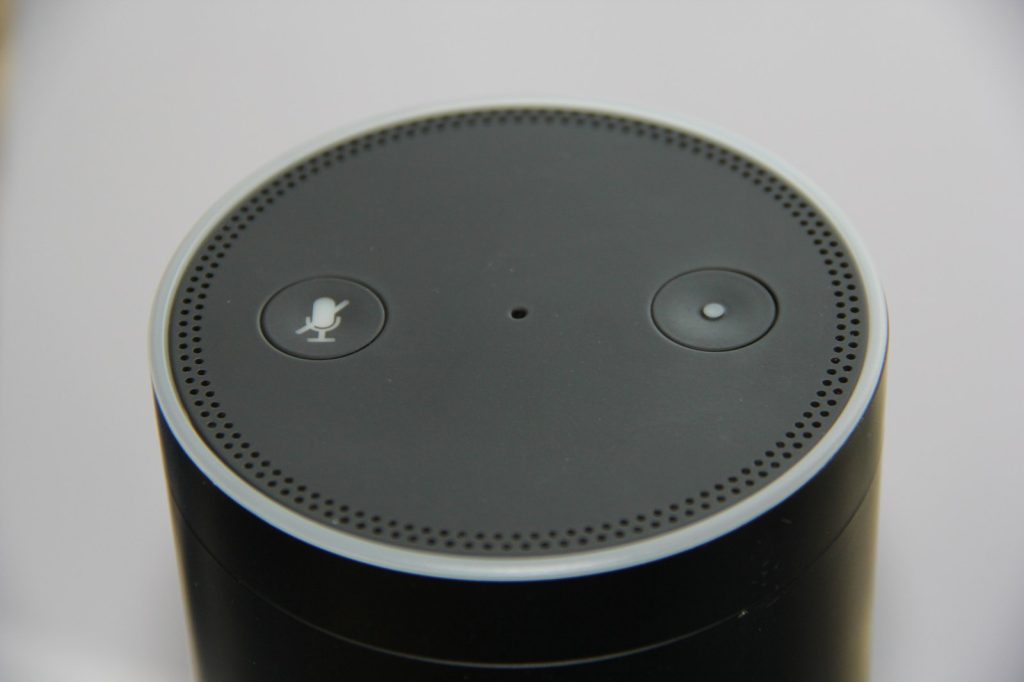
Alexa first appeared in the Amazon Echo smart speaker, followed by the Echo Dot, Echo Studio and Amazon Tap. Its underlying technology traces back to the Evi system developed by British computer scientist William Tunstall‑Pedoe and the Ivona speech synthesizer from Poland, both of which Amazon acquired in 2012 and 2013.
Those acquisitions formed the foundation for the voice assistant that has become a household name. Amazon says the development of Alexa+ stems from its ongoing commitment to innovation and investment in cutting‑edge technologies. The decision to build and deploy the Nova LLM reflects a focus on delivering a seamless and intuitive user experience.
Leveraging Nova together with Claude enables the assistant to generate human‑like responses, making interactions feel more natural and engaging while also improving overall performance and reliability. The collaboration with Anthropic, the firm behind the Claude model, has been highlighted as a key factor in the upgrade.
Amazon notes that working with Anthropic allowed it to tap into external expertise, resulting in a more capable assistant and illustrating the benefits of knowledge‑sharing in AI development. The company suggests that such partnerships may lead to further breakthroughs as the field progresses. Looking ahead, Amazon positions Alexa+ as a signpost for the future of virtual assistants.
It expects generative‑AI and large language models to become more widespread in AI products, with its own efforts likely to influence broader industry trends. The launch sets a new benchmark for voice‑assistant capabilities, and Amazon anticipates that other firms will follow suit as the technology matures.
Beyond the assistant itself, Amazon points to the wider implications of generative‑AI and large language models. It suggests the approach could reshape sectors ranging from customer service to healthcare, and that continued investment in AI may yield innovations that improve daily life and contribute to societal benefit. The company concludes that the Alexa+ unveiling demonstrates its dedication to pushing the limits of artificial intelligence, with more advances expected in the years to come.
{“@context”: “https://schema.org”, “@type”: “NewsArticle”, “headline”: “Amazon Launches Alexa+ Powered by In-House Nova AI Model”, “description”: “Amazon Unveils Alexa+ Generative AI Overhaul On February 26, 2025, Amazon introduced Alexa+, a generative‑AI redesign of its voice assistant, describing the”, “datePublished”: “2025-02-26T09:30:00+00:00”, “dateModified”: “2026-08-17T12:00:00+00:00”, “author”: {“@type”: “Person”, “name”: “Beatrice Ferrari”}, “publisher”: {“@type”: “Organization”, “name”: “Info Pulse Today”, “url”: “https://infopulsetoday.com/”}, “articleSection”: “”Artificial Intelligence””, “mainEntityOfPage”: {“@type”: “WebPage”, “@id”: “https://infopulsetoday.com/amazon-launches-alexa-powered-by-nova-llm-and-claude/”}, “image”: “https://infopulsetoday.com/wp-content/uploads/2026/08/prop-16-49195.jpg”}




