
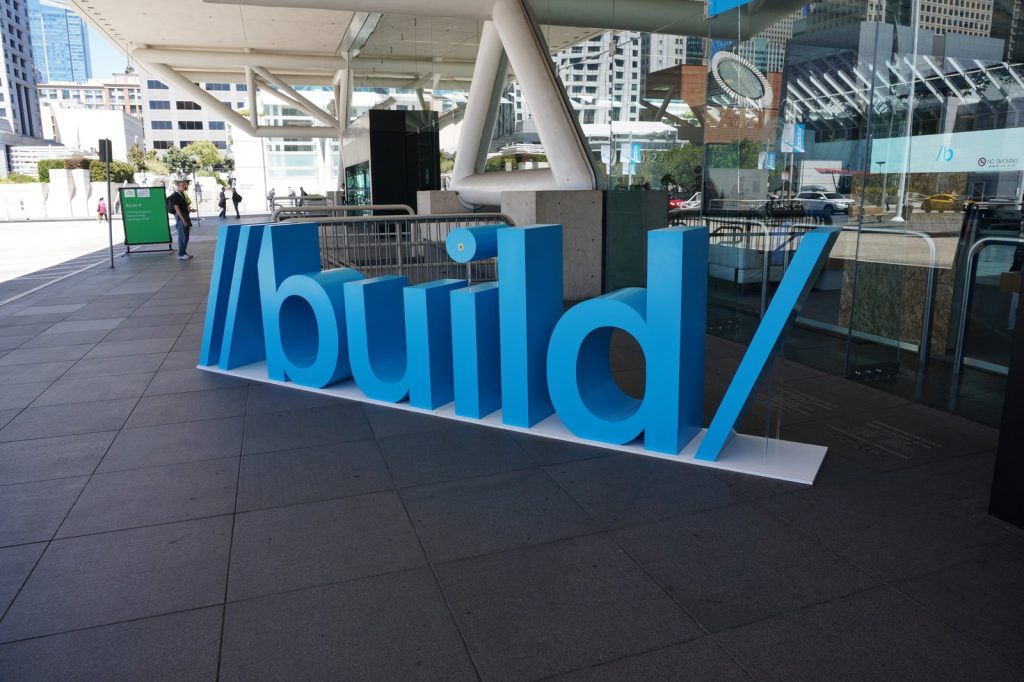
The annual Microsoft Build conference, a key indicator of the company’s technology direction since its inception in 2011, delivered a decisive message on May 19, 2025: artificial‑intelligence agents are moving from peripheral experiments to the core of Microsoft’s product strategy. The announcement centered on expanding the Copilot brand into a comprehensive platform for autonomous assistants, signalling a strategic shift that redefines expectations for the firm’s AI tools.
Historically, Build has served as the successor to earlier developer gatherings such as the Professional Developers Conference and MIX, first shaping the Windows era and later the cloud era. This year’s focus on agents aims to usher in what Microsoft is calling the “agent era.” Attendees—software engineers and web developers who traditionally look to the conference for the upcoming roadmap—were urged to create applications that learn, adapt, and act independently, rather than merely respond to explicit commands. Under the new framework, a Copilot‑powered agent would go beyond simple task execution.
It is expected to monitor user behavior, detect patterns, make decisions, and take action without waiting for a direct prompt. Microsoft’s vision is that future productivity software will anticipate user needs, shifting from reactive tools to proactive collaborators.
For developers, the implications are concrete. Building a Copilot agent now entails designing systems capable of continuous learning from user interactions, writing code that evolves over time, and delegating tasks that previously required human judgment—such as scheduling, prioritizing, or even negotiating on a user’s behalf. The platform’s existing integration across Office, Windows, and Azure means that millions of current users could soon engage with software that behaves more like a colleague than a conventional utility.
The timing of the announcement aligns with broader industry trends. Companies including Google, Amazon and numerous startups are also pursuing autonomous AI assistants.
Microsoft’s advantage lies in the extensive Copilot ecosystem already embedded in its flagship products, giving the company a substantial foothold for rapid deployment of agent capabilities. Nevertheless, the rollout raises concerns about control, privacy and accountability. The conference did not delve into scenarios where an autonomous agent might make an erroneous decision or the mechanisms for assigning responsibility. Microsoft’s presentation emphasized potential and developer opportunity, a typical focus for Build, which is designed to inspire builders rather than address regulatory considerations.
Examples of the envisioned capabilities were highlighted: a Copilot assistant that not only drafts emails but also manages an entire inbox, coordinates meetings, and dynamically adjusts calendars in response to shifting priorities. Such functionality illustrates the breadth of tasks Microsoft expects agents to handle autonomously.
Build’s reputation for exclusivity—tickets historically disappearing within minutes, as they did in 2016—underscores the event’s influence on the developer community’s planning cycles. By centering the agenda around agents, Microsoft signals that its development roadmap for the next twelve months will be dominated by this technology. In summary, the 2025 Build conference placed AI agents at the forefront of Microsoft’s Copilot expansion.
The platform is ready, the tools are available, and the developer community now faces the challenge of determining how to harness autonomous assistants in real‑world applications.
{“@context”: “https://schema.org”, “@type”: “NewsArticle”, “headline”: “Microsoft Unveils AI Agents as Central to Future Technology Plans”, “description”: “The annual Microsoft Build conference, a key indicator of the company’s technology direction since its inception in 2011, delivered a decisive message on May 19”, “datePublished”: “2026-06-22T09:30:00+00:00”, “author”: {“@type”: “Person”, “name”: “Ariel Antonio”}, “publisher”: {“@type”: “Organization”, “name”: “InfoPulse Today”, “url”: “https://newsfeed.infopulsetoday.com/”}, “image”: “https://infopulsetoday.com/wp-content/uploads/sites/4/rehomed/s25/2026/05/companion_9095.jpg”}




