
When Apple first unveiled Apple Intelligence in June 2024, the technology arrived as a closed set of features. The company wrote the writing tools, image generation utilities, notification summaries and photo‑retouching functions itself and shipped them as finished products.
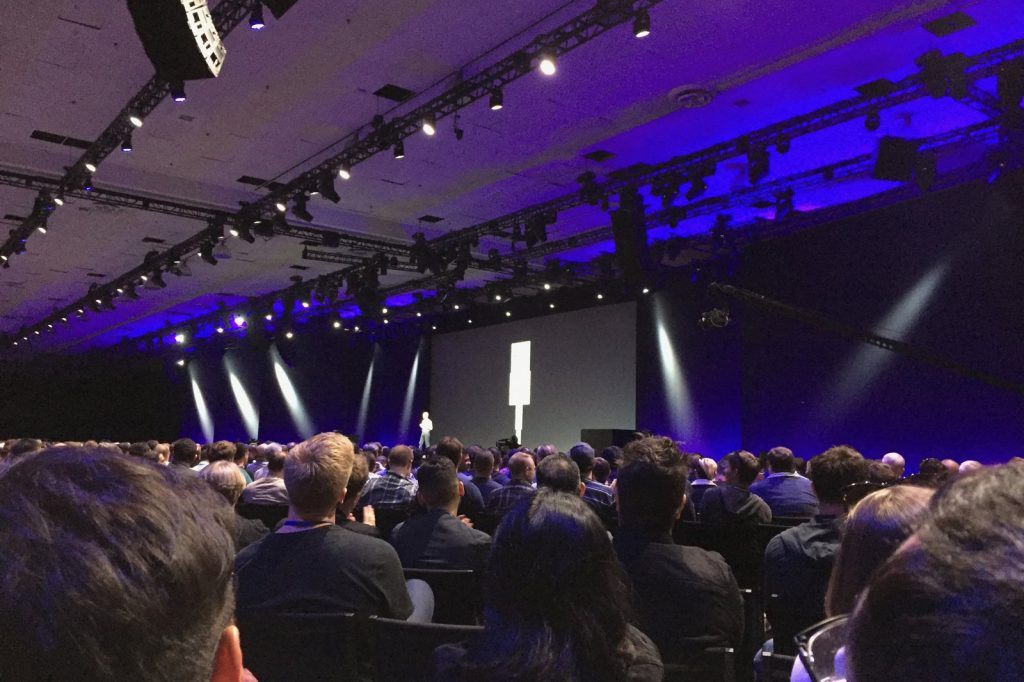
There was no way for outside programmers to build on the underlying system; the intelligence was a feature, not a platform. That situation shifted on June 9, 2025, during the Worldwide Developers Conference. Apple announced that it would open the on‑device foundation model that powers Apple Intelligence to third‑party developers.
The move represents a clear change of direction from the previous year, when the intelligence was presented solely as a built‑in component of iOS 18, iPadOS 18 and macOS Sequoia. By handing the engine to external programmers, Apple is acknowledging that it cannot create every useful AI application on its own.
The core of Apple Intelligence remains the on‑device foundation model. It executes locally on supported hardware rather than relying on cloud servers. On Macintosh computers this means the model runs only on Apple‑silicon machines; Intel‑based Macs are excluded entirely.
Apple continues to emphasize privacy as a key benefit, stressing that data never leaves the device when the model is used. With the model now accessible, developers can write code that calls directly into Apple’s generative AI.
This enables them to create new apps and services that treat the foundation model as a building block, rather than being limited to the specific APIs Apple previously exposed. The shift changes the calculation for third‑party software makers: before they could only work with whatever AI hooks Apple chose to expose; now they receive the model itself. The range of possible applications is broad.
A developer could, for example, design a medical note‑taking app that summarizes patient conversations entirely on an iPhone, never transmitting data to a remote server. Another might build a photography enhancer that retouches images using the same underlying AI that drives Apple’s own photo‑editing tools.
In essence, Apple is offering the engine and inviting others to see what they can drive with it. The timing of the release is notable. Apple Intelligence debuted the previous year as a free feature on compatible devices, providing users with grammar and proofreading assistance, image generation and more intelligent notification handling.
While the launch was strong, the first‑party tools covered only a subset of potential use cases. By opening the model, Apple is betting that external developers will discover applications the company never imagined, thereby expanding the platform’s reach.
There is also a competitive dimension. Google and Microsoft have been aggressively integrating generative AI into their developer ecosystems. Apple’s response needed to align with its longstanding hardware‑first and privacy‑first philosophy. Opening the on‑device model satisfies both goals: it keeps processing local, reinforcing Apple’s privacy narrative, while giving developers the raw power they seek.
What comes next remains uncertain, but the pattern is familiar. Apple Intelligence began as a collection of features; it is now evolving into a platform.
The developers who adopt the foundation model will decide whether it blossoms into a vibrant ecosystem or remains a narrow niche. Apple has supplied the foundation; the rest is in the hands of the creator community.
{“@context”: “https://schema.org”, “@type”: “NewsArticle”, “headline”: “Apple Opens On-Device AI Model to Third-Party Developers”, “description”: “When Apple first unveiled Apple Intelligence in June 2024, the technology arrived as a closed set of features. The company wrote the writing tools, image genera”, “datePublished”: “2026-06-27T09:30:00+00:00”, “author”: {“@type”: “Person”, “name”: “Ariel Antonio”}, “publisher”: {“@type”: “Organization”, “name”: “InfoPulse Today”, “url”: “https://newsfeed.infopulsetoday.com/”}, “image”: “https://myfrontpage.info/wp-content/uploads/sites/16/2026/05/companion_9099.jpg”}




