
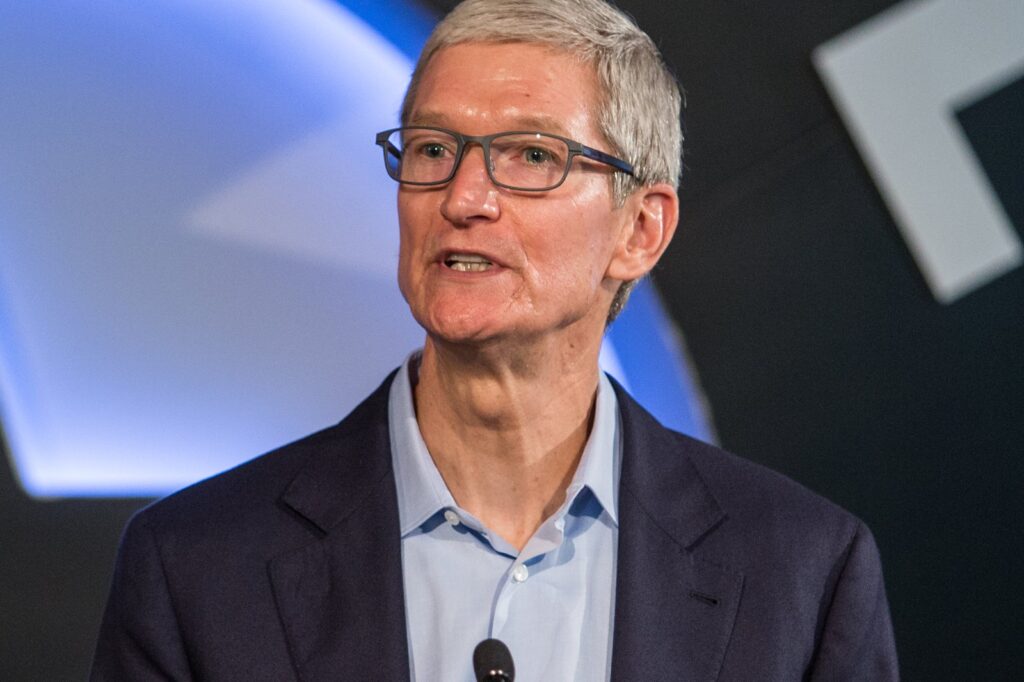
The prevailing narrative for months has painted Apple as a laggard in artificial intelligence. Rivals have rushed chatbots to market, woven generative models into search engines, and rolled out features at dizzying speed. Meanwhile, Cupertino has remained conspicuously silent. A growing chorus of analysts, however, contends that this quietude reflects intentional restraint rather than an inability to compete.
That interpretation upends a bedrock assumption in technology: that speed to market determines winners. Apple’s own history contradicts that premise. The company did not create the first portable music player, the first smartphone, or the first tablet. Instead, it observed early entrants, identified their missteps, and arrived later with polished, intuitive alternatives that went on to define categories for years. Observers see a similar dynamic potentially taking shape with AI.
Haste has already exacted a toll on early movers. Hallucinated outputs, data privacy scandals, and public relations crises have plagued several high-profile launches. For a company whose brand rests on privacy safeguards and seamless user experience, those hazards represent existential threats. A conversational agent that invents facts clashes with Apple’s reputation for reliability. A feature that exposes personal data violates a core promise to customers.
By moving deliberately, Apple may engineer AI that embeds naturally within its existing ecosystem — functional rather than flashy, integrated rather than bolted on. The firm possesses ample capital and engineering depth to pursue the technology aggressively. Yet its strategic calculus appears to prioritize avoiding the pitfalls that have tripped competitors.
The gamble carries real risk. The competitive landscape shifts weekly. Rivals are baking AI into productivity suites, search platforms, and developer tools. If Apple hesitates too long, user habits may solidify around alternative ecosystems, leaving the company to chase a market that has already moved on.
Skepticism toward Apple’s prospects is hardly new. The company was declared finished in the late 1990s. Critics mocked the original iPhone for lacking a physical keyboard. Removing the headphone jack was widely panned as a blunder. Each time, the consensus proved wrong. The recurring pattern: Apple enters late, then rewrites the rules of the category.
Whether that pattern repeats with artificial intelligence remains uncertain. AI represents more than a feature addition; it signals a fundamental transformation in how software operates. The stakes extend beyond a single product cycle. Yet the logic underpinning a measured approach is coherent: let others absorb the early failures, study those failures closely, then deliver a solution that functions as intended from day one.
It lacks spectacle. It generates few headlines. But in a field littered with broken promises and retracted claims, disciplined patience may prove the sharpest competitive edge of all.
{“@context”: “https://schema.org”, “@type”: “NewsArticle”, “headline”: “Apple’s Caution on AI May Be a Deliberate Strategic Move”, “description”: “The prevailing narrative for months has painted Apple as a laggard in artificial intelligence. Rivals have rushed chatbots to market, woven generative models in”, “datePublished”: “2026-06-21T09:30:00+00:00”, “author”: {“@type”: “Person”, “name”: “Erika Johnson”}, “publisher”: {“@type”: “Organization”, “name”: “InfoPulse Today”, “url”: “https://newsfeed.2bme.xyz/”}, “image”: “https://infopulsetoday.com/wp-content/uploads/sites/4/2026/09/companion_22183_1.jpg”}




