
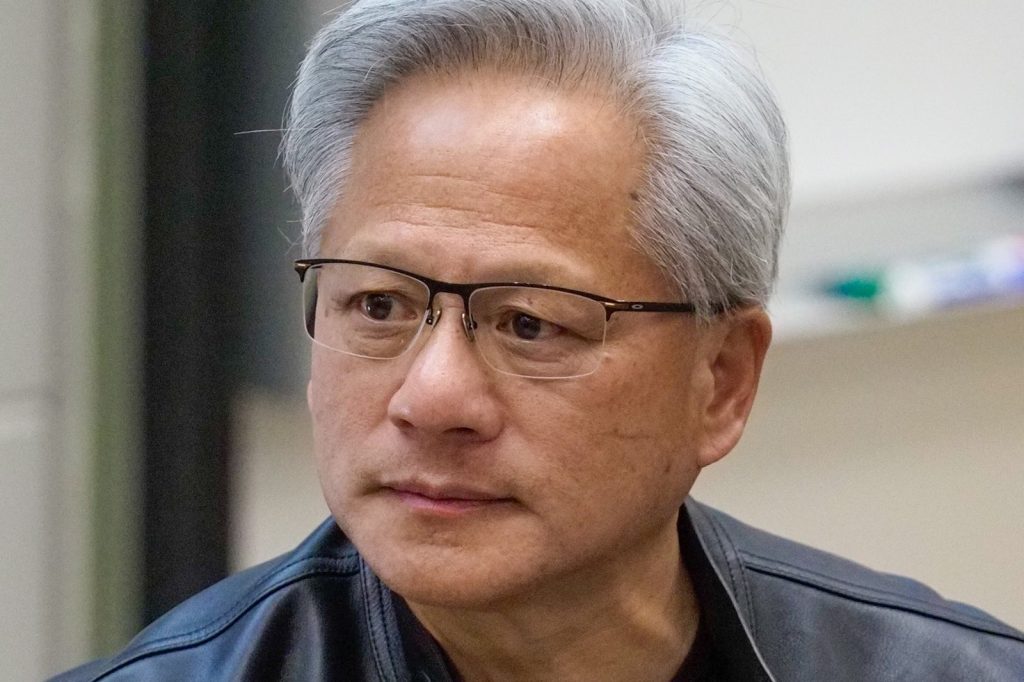
At a technology forum in San Francisco on June 10, Jensen Huang, chief executive of Nvidia, dismissed concerns that artificial intelligence will eliminate large numbers of jobs as “complete nonsense.” Huang’s remarks come from the head of the company whose graphics processing units (GPUs) are essential to today’s AI systems, from large‑language models to image‑generation tools. His stance represents one of the most direct rebuttals from a senior industry figure to the growing chorus warning of rapid workforce disruption.
Huang argued that AI is not a job‑killing force but a catalyst for new employment opportunities. He said the technology boosts productivity, reshapes how work is performed, and spurs the emergence of roles such as prompt engineers, AI trainers, data curators and hardware specialists. From his perspective, the AI wave mirrors previous technological revolutions—such as the rise of the internet, personal computers and earlier automation—where some occupations vanished while others, often higher‑skill and better‑paid, were created.
Critics, however, maintain a different outlook. They point to the speed at which AI capabilities are advancing and warn that many positions across sectors could be displaced before workers have a chance to transition.
The call for extensive retraining programs, they argue, is urgent. Skeptics also note that the current wave targets cognitive tasks, not just manual labor, putting white‑collar jobs at risk. Both viewpoints are supported by anecdotal evidence.
Proponents cite the rise of new AI‑related careers, while opponents highlight stories of workers—such as truck drivers or retail clerks—who may find it difficult to shift into technical roles like chip design or AI prompting. The reality, many observers agree, is likely to be uneven: some regions and industries may reap the benefits of AI‑driven growth, while others could experience significant employment strain.
Nvidia’s position in the AI ecosystem gives Huang’s comments particular weight. The company supplies the “pick‑and‑shovel” hardware that powers the AI boom; without its GPUs, training large models would be slower and more costly. Huang’s view reflects his front‑row seat to the entire AI pipeline, from research labs and startups to corporate adopters in healthcare, finance and logistics. The broader debate centers less on whether AI will change work—an outcome that is already evident—and more on who will bear the costs of that transformation.
Proponents argue that the net effect will be positive, citing historical precedents where automation ultimately generated more jobs than it destroyed. Detractors contend that this cycle may differ this time because AI can replicate tasks traditionally performed by educated workers.
Huang’s June 10 statements serve as a signal to investors, policymakers and the workforce that a leading technology executive believes the pessimistic forecasts are overstated. While his perspective adds a data point to the discussion, the ultimate test will be reflected in labor‑market metrics over the coming years—hiring trends, wage changes and the balance of expanding versus contracting occupations. The conversation is expected to intensify as AI continues to embed itself across sectors.
Industry leaders like Huang will keep shaping public perception, but the definitive answer will emerge from real‑world outcomes: the jobs that are created, the roles that disappear, and the pace at which workers can adapt.
{“@context”: “https://schema.org”, “@type”: “NewsArticle”, “headline”: “Nvidia CEO Calls AI Job Loss Fears ‘Complete Nonsense’”, “description”: “At a technology forum in San Francisco on June 10, Jensen Huang, chief executive of Nvidia, dismissed concerns that artificial intelligence will eliminate large”, “datePublished”: “2026-06-25T09:30:00+00:00”, “author”: {“@type”: “Person”, “name”: “Henry Thomas”}, “publisher”: {“@type”: “Organization”, “name”: “InfoPulse Today”, “url”: “https://newsfeed.infopulsetoday.com/”}, “image”: “https://americansuntimes.com/wp-content/uploads/sites/19/2026/06/companion_22892_1.jpg”}




