
Every semester, a new batch of students walks into a classroom where a piece of software already knows their name, their last test score, and the exact problem they got wrong three weeks ago. The software is watching. It is adjusting.
It is, by some definitions, artificial intelligence. And right now, nobody in Washington has a clear answer on what to do about it.
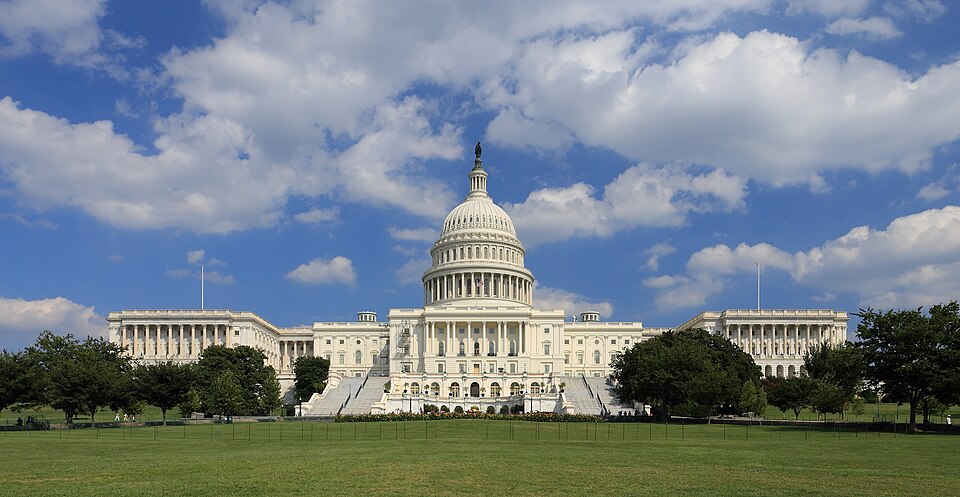
The gap between what these systems can do and what the law says about them is widening fast. Lawmakers on both sides of the aisle sat through a hearing recently where the central problem became obvious: they are trying to write rules for a technology they do not fully understand. Some AI tools in schools are essentially search engines dressed up with a chatbot.
Others are adaptive platforms that change the difficulty of math problems in real time based on a student’s errors. The legislation being drafted lumps them together.
That is a problem. The stakes are concrete. On the promise side, there is genuine potential.
Personalized tutoring at scale. Automated grading for routine assignments. Systems that flag a struggling student before the test scores confirm the failure.
A teacher with one of these tools can see, in real time, who is lost and who is bored. That is not a small thing.
On the risk side, the list is just as real. Algorithmic bias baked into systems trained on flawed data. Student privacy eroded as platforms vacuum up behavioral data — what time a student logs in, how long they pause on a question, which topics they avoid.
And the plain fact that a clever 16-year-old can ask an AI to write an essay and get a passable result in seconds. Cheating is no longer about copying a classmate’s homework.
It is about asking a machine that never gets tired. Nobody in the hearing room argued the genie can be put back in the bottle. The technology is already in schools.
Pilots are running. Districts are signing contracts. The question is what the guardrails look like.
One detail from the hearing stuck. The same lawmakers demanding stricter oversight of AI in classrooms are, in many cases, still using the same constituent correspondence software they had a decade ago.
It was not said as a cheap shot. It was a wry observation about the pace of change. The people writing the rules are not living inside the technology they are trying to govern.
The technical reality is that regulating this space means understanding it first. That understanding is uneven at best.
A law written today might miss the real risks by a mile, or it might smother the real benefits. Either outcome has consequences for real students in real classrooms next fall. The hearing made one thing clear: the machinery of legislation is slow, deliberate, and built for a world where change happens in years.
The technology is fast, messy, and built for a world where change happens in weeks. The collision is happening now. The outcome is not written yet.
But the room is full of people who know they are running out of time to get it right.
{“@context”: “https://schema.org”, “@type”: “NewsArticle”, “headline”: “AI Classroom Tools Outpace Federal Laws as Lawmakers Weigh Oversight”, “description”: “Every semester, a new batch of students walks into a classroom where a piece of software already knows their name, their last test score, and…”, “datePublished”: “2026-06-25T11:34:00+00:00T09:30:00+00:00”, “author”: {“@type”: “Person”, “name”: “Ava Anderson”}, “publisher”: {“@type”: “Organization”, “name”: “InfoPulse Today”, “url”: “https://newsfeed.infopulsetoday.com/”}}




