
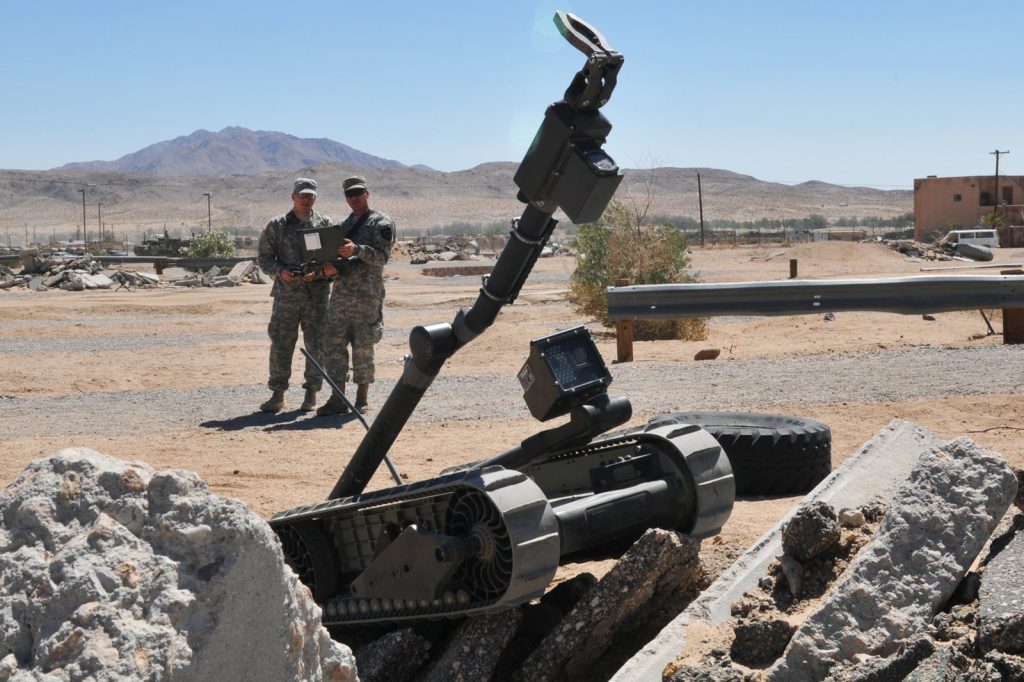
The real world is a mess. A chair in a lab sits squarely on a clean floor, well-lit, unobstructed. A chair in a collapsed building is sideways, splintered, half-buried in dust and tangled wire.
That gap — between tidy training data and chaotic reality — has haunted robotics and autonomous systems for years. A new method out of Mountain View, California, published June 26, suggests a way to close it.
Researchers demonstrated an approach that lets an AI recognize objects in unstructured environments without needing to study pictures of those specific environments first. The system uses a visual model called EVA-CLIP, designed to align images with text descriptions in a shared space. But the real trick is in how they talk to it.
Instead of giving the model a single, rigid label for an object — say, “tree” — the researchers used ensemble prompt engineering. They fed it multiple, slightly varied descriptions: “fallen tree,” “upright tree,” “tree with leaves,” “bare tree.” The range gives the model more chances to find a match, even when the visual input is unusual.
Odd lighting, unexpected angles, clutter — the system can still lock onto the concept. This matters because the world is not a tidy lab. A drone surveying a forest after a storm needs to spot downed power lines and damaged structures it has never seen before.
A disaster response robot picking through rubble needs to identify a bottle or a piece of furniture that is bent, crushed, or half-buried. Traditional AI systems need to study pictures of that specific wreckage first. This approach tries to let the system generalize — to use what it already knows about shapes and concepts and apply it to a scene it has never encountered.
The underlying force here is the quest for flexibility. For years, AI has been brittle.
It excels in controlled settings but falls apart when the rules change. The EVA-CLIP model paired with ensemble prompt engineering is a direct attack on that brittleness. It says: do not teach the machine every possible scene.
Teach it to reason from a broader vocabulary. Where this leads is toward systems that can operate in the open.
Environmental monitoring, search and rescue, industrial inspection — these fields demand machines that can handle the unexpected. A forest after a storm is not a database. It is a tangle of broken branches, shifted earth, and odd shadows.
A model that can spot a fallen power line without having studied a thousand fallen power lines is a model that might actually be useful outside the lab. The method is not magic. It still depends on the quality of the underlying visual model and the cleverness of the prompt engineering.
But it points in a clear direction. The future of autonomous systems is not about bigger training datasets.
It is about smarter generalization. Give the machine a dictionary, not a photo album. Let it figure out the rest.
For now, the work is a demonstration. The real test will come when these systems are deployed in the field — in a real storm, a real collapse, a real mess.
But for the first time, the path to that deployment looks less like a straight line through a clean hallway and more like a map of a chaotic, unpredictable world. That is the world we actually live in. It is about time the machines learned to see it.
{“@context”: “https://schema.org”, “@type”: “NewsArticle”, “headline”: “New AI method bridges gap between clean lab data and real-world chaos”, “description”: “The real world is a mess. A chair in a lab sits squarely on a clean floor, well-lit, unobstructed. A chair in a collapsed building…”, “datePublished”: “2026-06-26T08:56:00+00:00T09:30:00+00:00”, “author”: {“@type”: “Person”, “name”: “James Roberto”}, “publisher”: {“@type”: “Organization”, “name”: “InfoPulse Today”, “url”: “https://newsfeed.infopulsetoday.com/”}}




