
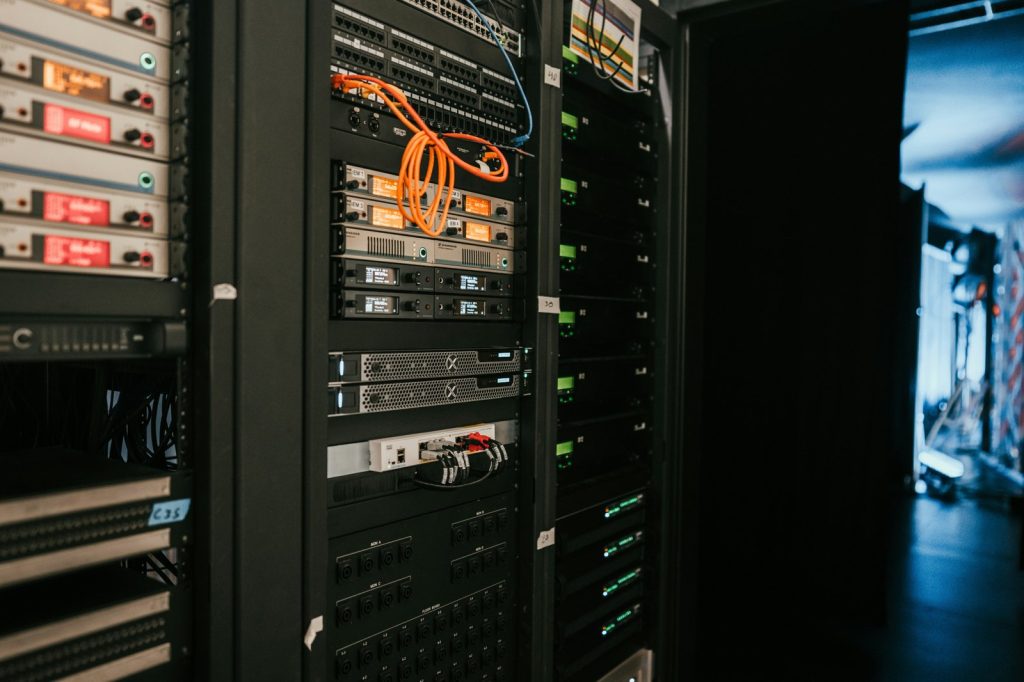
The scramble for computing power behind the artificial intelligence boom has a new face: a frustrated Meta, forced to make do with less Google Gemini capacity than it wanted. The Financial Times reports that Google informed Meta around March that it could not fulfill the full Gemini AI model capacity the social media company had sought to purchase. The result?
Disrupted and delayed internal AI projects at Meta, and a company-wide push for staff to use AI tokens more efficiently. This is not a story about a feud between two tech giants.
It is a story about physics and money. Even as companies pour billions into chips and data centers, they are still struggling to secure enough computing power to support the growing demand for AI services. Google’s own numbers tell the tale.
Revenue at Google Cloud grew to $20 billion in the first quarter ended March. But CEO Sundar Pichai has said that computing power constraints prevented even higher growth.
He noted the constraints contributed to the cloud unit’s backlog nearly doubling quarter on quarter. The demand is that voracious. Meta’s problem is a matter of scale.
The FT reports that several other Google clients have also been affected—though to a lesser extent. Meta has been particularly impacted due to its exceptionally high demand. They wanted more than Google could provide.
Simple as that. The relationship between these two companies has been complicated.
Now it is also constrained. The consequences are tangible inside Meta. The company has encouraged staff to be more efficient with AI tokens, the units that measure AI usage.
The company is essentially asking its teams to do more with less. Behind the breakthrough, there is a very human scramble for resources.
Engineers who once had access to a certain level of compute are now being told to stretch it further. Token efficiency becomes the focus. That is a shift in strategy driven by necessity, not choice.
What this means for the broader market is a reality check. The AI arms race is playing out in real time, with even the biggest players feeling the pinch. It is not a technical hiccup.
It is a structural bottleneck. Google has the capacity.
Meta wants to buy it. The market cannot clear at the price everyone wants. This is what a shortage looks like.
Where this leads is fairly clear. Meta will have to invest more in its own compute infrastructure, or it will have to find alternative suppliers.
It may also have to accept that its internal AI projects will move more slowly than planned. The days of unlimited access to third-party cloud AI capacity are over for now. The scramble for computing power has become the defining constraint of the era.
For families and businesses watching this space, the message is simple. The AI revolution is not just about software breakthroughs. It is about hardware, electricity, and the raw ability to run models at scale.
Even Google, with its vast data centers, cannot keep up with demand. That is a fact that will shape the industry for years to come.
Meta is feeling it now. Others will follow.
{“@context”: “https://schema.org”, “@type”: “NewsArticle”, “headline”: “Meta’s AI projects delayed after Google restricts Gemini capacity.”, “description”: “The scramble for computing power behind the artificial intelligence boom has a new face: a frustrated Meta, forced to make do with less Google Gemini…”, “datePublished”: “2026-06-28T06:05:58+00:00T09:30:00+00:00”, “author”: {“@type”: “Person”, “name”: “Muhammad Asim”}, “publisher”: {“@type”: “Organization”, “name”: “InfoPulse Today”, “url”: “https://newsfeed.infopulsetoday.com/”}}




