
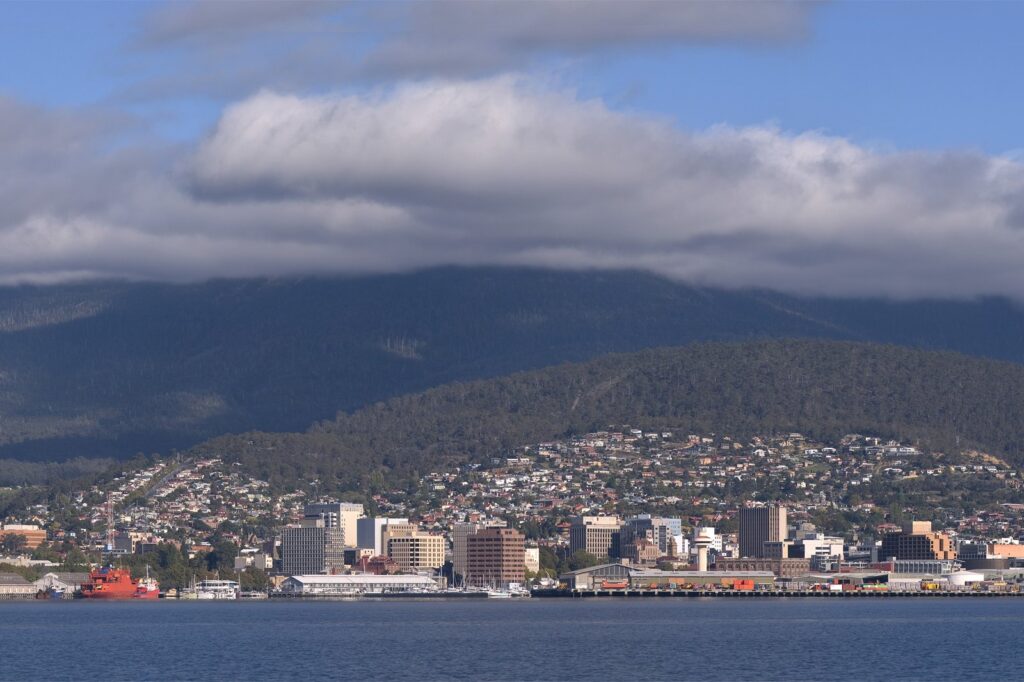
HOBART — A single AI data centre complex demanding hundreds of megawatts is a different scale of demand entirely. That blunt assessment from some Tasmanian residents captures the heart of the debate now unfolding across the island state. Firmus Technologies has announced plans to build AI facilities at three locations in Tasmania.
The company has not disclosed the exact sites publicly. But the state government has confirmed Firmus would need more than 400 megawatts to power its three proposed sites.
That number is driving the conversation. Energy experts watching the situation see a fundamental tension. Tasmania has long prided itself on its renewable energy resources, particularly hydroelectric power.
The state’s grid was built for a different era. A single industrial user demanding 400-plus megawatts changes the equation overnight.
“The capacity simply is not there to supply these facilities,” one local official told reporters. The statement reflects a view gaining traction in community meetings and council chambers across the region. For Tasmanian households, the concern is immediate and personal.
A massive new industrial electricity user could put pressure on the grid. That pressure could affect power prices for families. It could affect reliability.
People who have lived through energy market shocks elsewhere know what happens when demand outstrips supply. The Tasmanian state government is clearly backing the proposal.
Government officials confirmed the 400-plus megawatt requirement, signalling just how substantial these projects would be. But backing a project and making it work are two different things. Firmus Technologies has been doing interviews to promote the projects and address community concerns.
Company CEOs have been making the case publicly. They talk about jobs.
They talk about positioning Tasmania for the global AI industry. They talk about economic transformation. Local communities in the areas where the data centres would be built have their own questions.
What does it mean to host infrastructure for the global AI industry? What is the environmental impact? Will there be local jobs, and if so, how many and for how long?
These are not abstract questions. They are the kind of questions that determine whether a project gets built or dies in planning.
They are the kind of questions that shape how a community feels about its future. The 400-plus megawatt figure is the sticking point. Tasmania has renewable energy.
It has hydroelectric power. But no one has explained where that much additional electricity comes from without building new generation capacity or diverting power from existing users.
Some in Tasmania are saying the capacity simply is not there. They are saying it directly, without qualification. That is a problem for Firmus Technologies.
It is a problem for the state government. And it is a problem for families who want to know what happens to their power bills and their lights staying on. The company wants to build AI facilities at three Tasmanian locations.
The state government wants the economic boost. The communities want answers.
Those three things do not automatically align. For now, the questions outnumber the answers. The 400-plus megawatt requirement sits at the centre of everything.
Until someone explains where that power comes from, the debate will continue. And families across Tasmania will keep watching, wondering what it means for them.
{“@context”: “https://schema.org”, “@type”: “NewsArticle”, “headline”: “Tasmanian residents question energy demands of proposed AI data centres”, “description”: “HOBART — A single AI data centre complex demanding hundreds of megawatts is a different scale of demand entirely. That blunt assessment from some Tasmanian…”, “datePublished”: “2026-07-02T07:57:00+00:00T09:30:00+00:00”, “author”: {“@type”: “Person”, “name”: “James Roberto”}, “publisher”: {“@type”: “Organization”, “name”: “InfoPulse Today”, “url”: “https://newsfeed.2bme.xyz/”}}




