
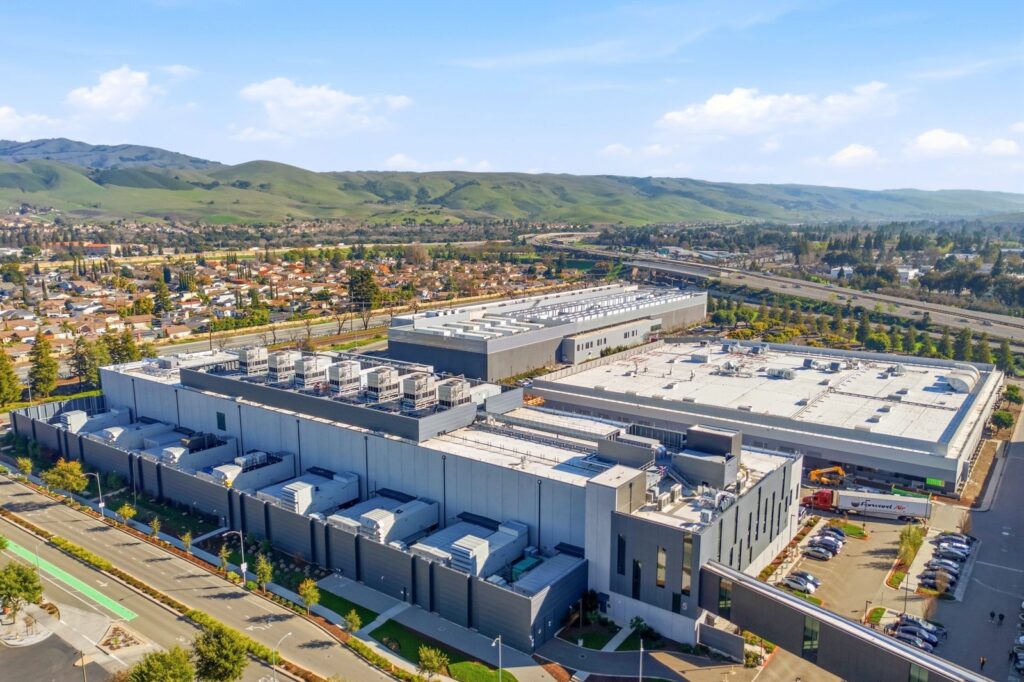
WASHINGTON, July 7 — The calculus around securing critical infrastructure is shifting, and the data center industry is now on the front lines of a very old-fashioned problem: copper theft. Construction firms including Turner Construction and DPR Construction have been rolling out layered security measures since early 2024, responding to rising thefts that target the valuable metal at the heart of modern computing facilities. The strategy is straightforward but technologically sophisticated.
GPS trackers are now being embedded directly into copper spools, costing between $50 and $150 per unit. These devices, supplied by companies such as Samsara and Tile, create a geofenced perimeter around the construction site.
If a spool moves outside that boundary, site managers receive an immediate alert. This is not a theoretical exercise. At an Equinix site in Dallas, Texas, a pilot program running from January to June 2024 demonstrated what this technology can deliver: an 80 percent reduction in theft losses over six months.
The broader stakes here are significant. Data centers are the physical backbone of the digital economy, and construction timelines are notoriously tight.
A single copper theft can delay a project by days or weeks while replacement materials are sourced and security protocols are reviewed. The Uptime Institute, in a June 2024 report, found that 45 percent of data center operators now require GPS tracking on all copper deliveries. That figure signals a rapid industry-wide shift from reactive security to preventive measures.
The Security Stack
The GPS trackers are just one layer. The full security retrofit for a 100,000-square-foot data center carries a price tag estimated between $500,000 and $1 million, according to industry estimates cited by the Data Center Coalition. That investment buys a comprehensive package: 360-degree motion-activated cameras with night vision, 24/7 onsite security guards, and the tracking technology embedded in the copper itself.
Strategically, the math works. A single data center construction project can involve miles of copper wiring for power distribution and grounding.
The metal’s scrap value makes it a persistent target, and the thefts have been rising. The Dallas pilot at the Equinix site provides a concrete benchmark: an 80 percent reduction in losses over six months. For operators weighing the upfront cost against the risk of repeated thefts, the calculus increasingly favors the investment.
The technology providers are also worth watching. Samsara and Tile are not traditional security firms, but their tracking platforms are being adapted for industrial applications.
The geofencing capability — essentially drawing a virtual boundary on a digital map — turns every copper spool into a trackable asset. When a spool moves, the system knows. When it moves without authorization, the system alerts.
What This Signals
What this signals is a maturation of the data center construction industry’s approach to risk management. Theft has long been a cost of doing business on large construction sites, but the combination of rising copper prices and tighter project margins has forced a strategic response. The layered security model — trackers, cameras, guards — is becoming standard operating procedure rather than an exception.
The Dallas pilot is particularly instructive. Equinix is one of the largest data center operators globally, and its decision to run a six-month test of GPS tracking on copper deliveries suggests the company was looking for hard data before committing to a broader rollout.
The 80 percent reduction in theft losses provides that data. For other operators, the question is no longer whether the technology works, but how quickly they can deploy it across their construction pipelines. Looking ahead, the industry will be watching whether the adoption curve accelerates.
The Uptime Institute’s finding that 45 percent of operators now require GPS tracking on copper deliveries represents a baseline that is likely to rise. Construction firms like Turner and DPR are already implementing these measures, and the cost estimates from the Data Center Coalition give operators a clear target for budgeting.
The broader stakes are clear: protecting the physical supply chain for the infrastructure that powers the digital world.
{“@context”: “https://schema.org”, “@type”: “NewsArticle”, “headline”: “GPS Trackers, Motion Cameras Standard at AI Data Centers”, “description”: “WASHINGTON, July 7 — The calculus around securing critical infrastructure is shifting, and the data center industry is now on the front lines of a…”, “datePublished”: “2026-07-07T09:30:00+00:00”, “author”: {“@type”: “Person”, “name”: “Noah King”}, “publisher”: {“@type”: “Organization”, “name”: “InfoPulse Today”, “url”: “https://newsfeed.2bme.xyz/”}}




