
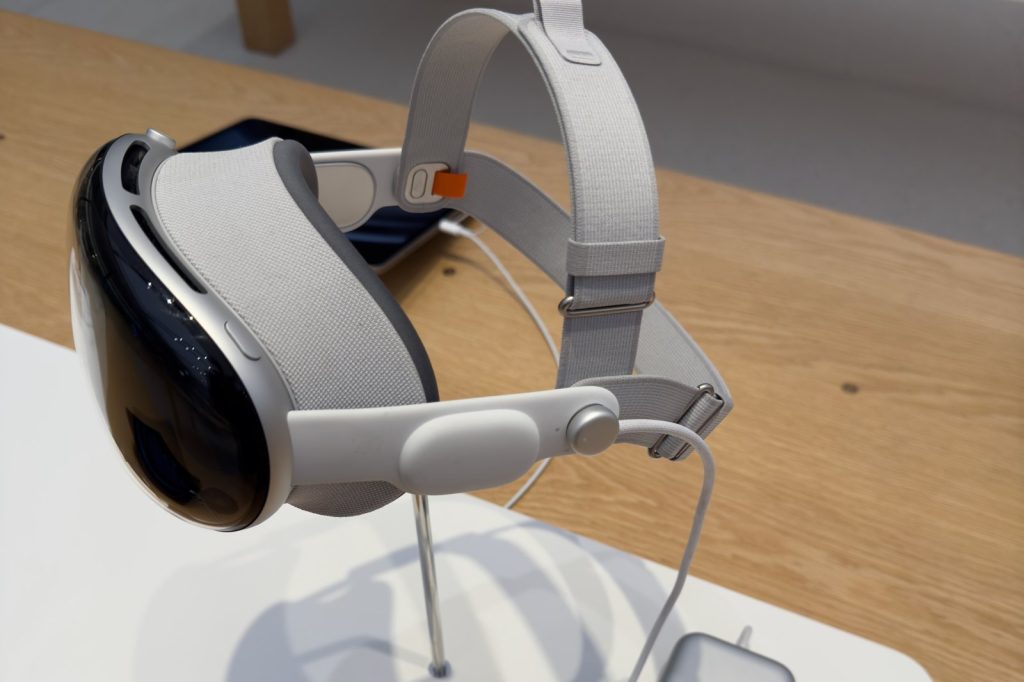
CUPERTINO, Calif., July 11 — A legal battle between two of the most powerful names in artificial intelligence is quietly reshaping the stakes for the consumer AI market before most people have even held the devices in their hands. Apple has filed a patent infringement lawsuit against OpenAI, targeting the company’s Aura smart glasses. The case centers on technology Apple has been developing for its own wearable AI device, the NeuralEdge, which is expected to debut with the iPhone 17 in September 2025.
The timing is tight, and the outcome could determine which company gets to define the next era of personal computing. The lawsuit lands in a market that is already enormous and growing fast.
Industry analysts value the market for AI-powered consumer devices at $42 billion in 2025, with projections reaching $98 billion by 2030. Apple is betting heavily on the NeuralEdge, with projected first-year sales of 80 million units. That kind of volume would make it one of the most successful product launches in the company’s history.
Two very different companies, two very different bets
Apple’s market capitalization stands at $3.2 trillion, making it the most valuable publicly traded company in the world. OpenAI, by contrast, is valued at $80 billion after its January 2025 funding round — a staggering figure by any measure, but still only a fraction of Apple’s size. The disparity in resources is part of what makes this case so intriguing.
OpenAI’s Aura smart glasses, priced at $999, have already generated 500,000 pre-orders as of March 2025. That is a strong start for a first-generation product in a new category, but it also makes the glasses a visible target.
A successful injunction could delay the Aura launch by 12 to 18 months, costing OpenAI an estimated $2 billion in lost revenue. For a company that has yet to turn a consistent profit, that kind of delay could be painful. Apple’s legal costs for the case are estimated at $50 million — a significant sum for most companies, but a rounding error for a firm with Apple’s cash reserves.
The asymmetry is striking: Apple can afford to litigate almost indefinitely, while OpenAI faces real financial pressure if the case drags on.
What the case means for the broader AI hardware race
The lawsuit is not just about two products. It is about who controls the foundational technology for AI-powered wearables — a category that many analysts believe could eventually rival the smartphone in importance. Both companies are racing to build the device that will serve as the primary interface for AI assistants, voice commands, and real-time information processing.
Apple has a long history of entering markets late but with carefully integrated hardware and software. The NeuralEdge is expected to benefit from Apple’s existing ecosystem of iPhones, iPads, and services, giving it a built-in user base that OpenAI cannot match.
OpenAI, on the other hand, has the brand recognition and developer enthusiasm that comes from being the company behind ChatGPT, one of the most widely used AI products in the world. The patent dispute could ultimately determine which vision prevails. If Apple wins an injunction, it buys itself time to refine its own product while keeping a key competitor off the shelves.
If OpenAI prevails, it could establish itself as the early leader in a market that is projected to more than double in five years.
Looking ahead
The case is expected to move through the courts over the coming months, with both sides preparing for what could be a protracted legal fight. For consumers, the immediate impact may be invisible — the NeuralEdge and the Aura glasses are not yet on store shelves — but the outcome will shape the choices available when they finally arrive. For the two companies, the stakes could not be higher.
Apple is defending a product it hopes will drive the next wave of growth. OpenAI is trying to protect a product that could prove it is more than a software company.
The courtroom, for now, is where the future of AI hardware will be decided.
{“@context”: “https://schema.org”, “@type”: “NewsArticle”, “headline”: “Economic Stakes: Apple and OpenAI’s Market Positions in AI Hardware”, “description”: “CUPERTINO, Calif., July 11 — A legal battle between two of the most powerful names in artificial intelligence is quietly reshaping the stakes for the…”, “datePublished”: “2026-07-11T09:30:00+00:00”, “author”: {“@type”: “Person”, “name”: “James Roberto”}, “publisher”: {“@type”: “Organization”, “name”: “InfoPulse Today”, “url”: “https://newsfeed.infopulsetoday.com/”}}




