
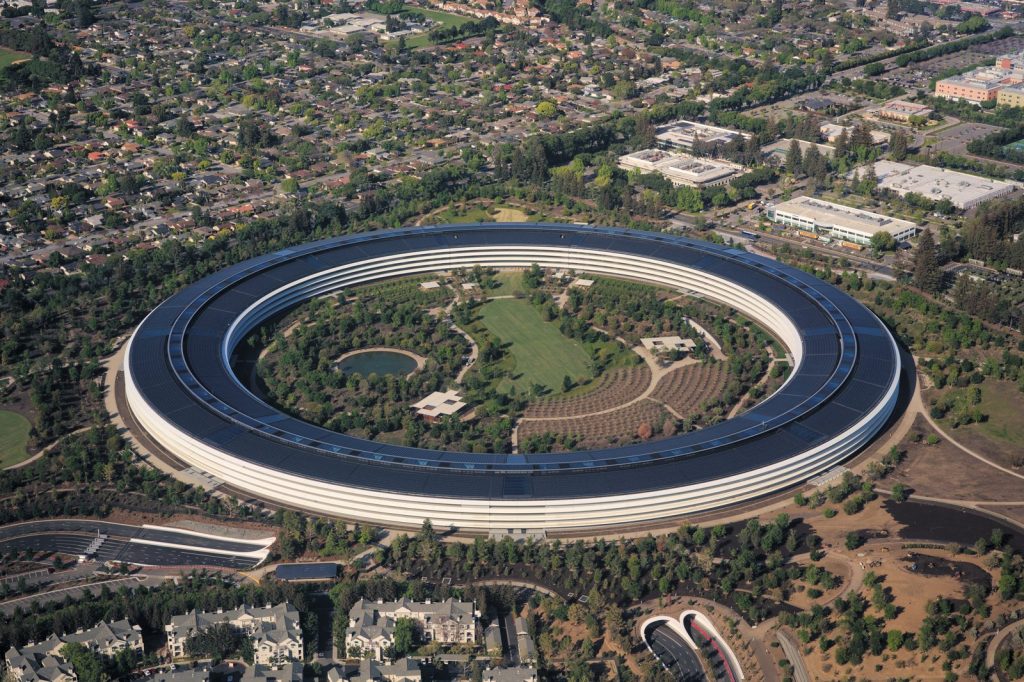
A decade of shifting competitive dynamics
The tensions between the two companies trace back more than a decade. Apple launched Siri in 2011, establishing itself as an early leader in consumer artificial intelligence. OpenAI was founded four years later, in 2015, as a non-profit research organization. In 2019, it shifted to a for-profit model, a change that accelerated its ability to attract top talent from major technology firms, including Apple. The 2023 departures of Apple engineers who had access to the company’s AI research and development marked a critical moment. Apple’s internal investigations and subsequent lawsuit signal that the company views those moves as more than routine job changes.
The broader context includes Apple’s corporate history. The company began in 1976 as a small venture to sell a desktop computer built by one of its founders and became a formally incorporated California company early the following year. For decades, it remained chiefly known as a maker of personal computers before expanding into consumer electronics and media distribution. OpenAI, by contrast, started as a pure research effort and later adopted a for-profit structure. The relationship between the two companies now reflects competitive and legal friction arising as the older hardware and software company and the younger AI lab contend over engineers and proprietary knowledge.
What the case means for Asian tech communities
For families and workers across Asia, the Apple-OpenAI lawsuit underscores the high stakes of the AI talent wars. Many Asian engineers work at Apple and other U.S. technology firms, or aspire to do so. The outcome could affect how companies in places like Singapore, India, and the Philippines manage their own research teams. The timeline of events shows how quickly the competitive landscape shifted. Apple had a head start with Siri in 2011. OpenAI, founded four years later as a non-profit, has since become a major force in AI, drawing talent from across the industry. The 2023 departures of Apple engineers with access to its AI research and development were a critical moment. Apple’s internal investigations and subsequent lawsuit in early 2025 signal that the company views these moves as more than just routine job changes.
Silicon Valley has a recorded history of conflict over how freely employees may change employers, including a past antitrust matter concerning agreements among large firms not to recruit one another’s staff. That history shaped later scrutiny of talent movement between technology companies. The current dispute matters because courts are now weighing whether moving between an established consumer technology firm and a fast-growing AI lab can breach trade secrecy. Readers in Asia with ambitions in the tech sector may face altered expectations about job mobility and confidentiality.
What to watch next
The case is still unfolding. For communities across Asia, the key question is whether this lawsuit will set a precedent for how trade secret claims are handled in the AI sector. The broader trend of litigation over employee mobility in Silicon Valley, including the 2014 antitrust case, suggests that courts are increasingly willing to examine how companies compete for talent. What it means for people in the region is that the rules of the game may be changing. If Apple wins, companies may become more aggressive in protecting their research. If OpenAI prevails, the flow of talent between firms could accelerate. Either way, the AI talent wars are far from over.
{“@context”: “https://schema.org”, “@type”: “NewsArticle”, “headline”: “Apple and OpenAI’s decade-long rivalry reshapes AI competitive landscape”, “description”: “A decade of shifting competitive dynamics The tensions between the two companies trace back more than a decade. Apple launched Siri in 2011, establishing itself…”, “datePublished”: “2026-07-11T09:30:00+00:00”, “author”: {“@type”: “Person”, “name”: “Arjun Mehta”}, “publisher”: {“@type”: “Organization”, “name”: “InfoPulse Today”, “url”: “https://newsfeed.infopulsetoday.com/”}}




