
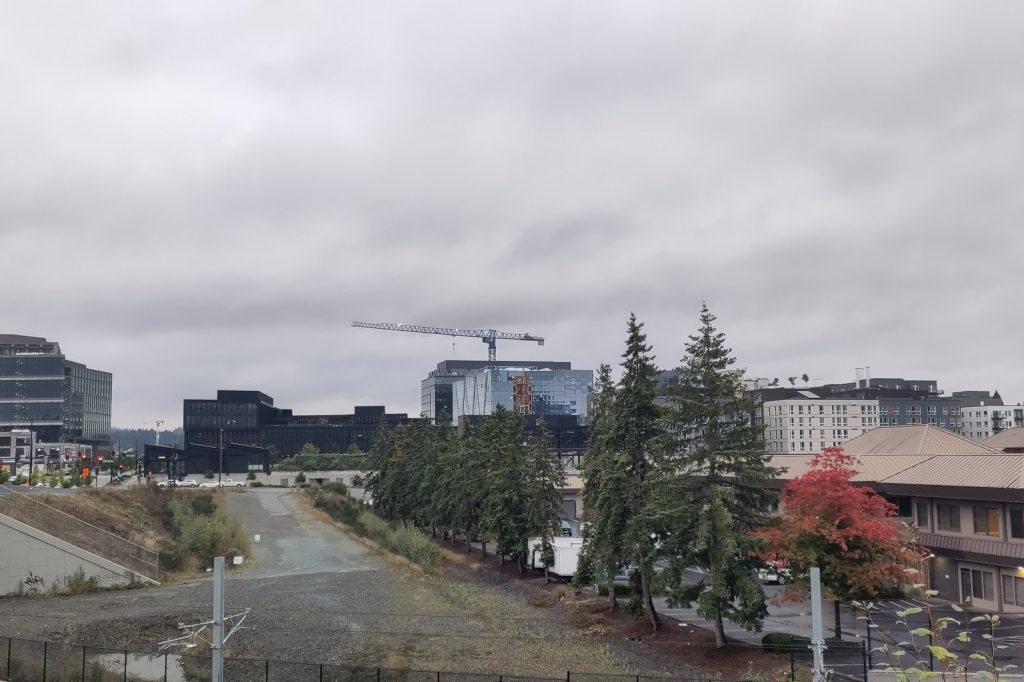
MENLO PARK, July 12 — On a sprawling construction site in Temple, Texas, the future of artificial intelligence is taking physical shape. Meta Platforms is pouring $800 million into a new data center there, one of several facilities rising across the United States as the company executes the largest capital expenditure plan in its history. The scale is staggering.
Meta announced in January 2025 that it would invest between $60 billion and $65 billion in capital expenditures for the year, the bulk of it directed at AI infrastructure. That budget marks a 50 to 60 percent increase over the $35 billion to $40 billion the company spent on AI infrastructure in 2024.
By the end of 2025, Meta aims to have 600,000 H100 GPU equivalents deployed, a fleet of NVIDIA H100 and Blackwell chips that will power both training and inference for its Llama large language models and AI-powered recommendation systems. From Wyoming to Texas: A Building Boom The Temple facility, announced in December 2024, is just one piece of a much larger puzzle. In Cheyenne, Wyoming, Meta has plans for a $1.5 billion campus.
The company now operates 21 data centers globally as of 2025. These are not small server rooms.
They are massive, energy-hungry installations that require their own power infrastructure. Meta has signed power purchase agreements for 9.6 gigawatts of renewable energy by 2025 to feed these facilities. The company’s total capital expenditure from 2020 through 2024 was approximately $120 billion.
The 2025 budget alone represents more than half of that five-year total in a single year. Behind the Numbers: The AI Arms Race The spending spree is driven by a single imperative: AI at scale. Meta’s Llama large language models require enormous computational power for both training — the process of teaching the model on vast datasets — and inference, when the model is deployed to answer queries or generate content in real time.
The company’s recommendation systems, which power content feeds across Facebook and Instagram, also rely on this infrastructure. The investment in NVIDIA’s H100 and Blackwell GPUs signals that Meta is betting heavily on continued hardware improvements.
The H100 has become the workhorse of the AI industry, and the Blackwell generation promises even greater performance. By the end of 2025, Meta expects to have 600,000 H100 equivalents in operation, a figure that underscores the company’s commitment to staying at the front of the AI race. What to Watch Next The question now is whether Meta can execute on this scale without delays or cost overruns.
The company has already shown it can move fast — the Temple facility went from announcement to construction in a matter of months. But building data centers is one thing; powering them with renewable energy at 9.6 gigawatts is another.
As the 2025 budget year unfolds, the industry will be watching for signs that Meta’s AI investments are translating into products that users actually want. The company has staked its future on AI infrastructure. By nightfall on any given day, those data centers in Texas, Wyoming, and beyond are humming with the work that will define the next generation of the internet.
Sources
{“@context”: “https://schema.org”, “@type”: “NewsArticle”, “headline”: “Meta plans $60–$65B for AI data centers and GPUs in 2025”, “description”: “MENLO PARK, July 12 — On a sprawling construction site in Temple, Texas, the future of artificial intelligence is taking physical shape. Meta Platforms is…”, “datePublished”: “2026-07-12T09:30:00+00:00”, “author”: {“@type”: “Person”, “name”: “Isabella Moore”}, “publisher”: {“@type”: “Organization”, “name”: “InfoPulse Today”, “url”: “https://newsfeed.infopulsetoday.com/”}, “citation”: [{“@type”: “CreativeWork”, “url”: “https://en.wikipedia.org/wiki/Data_center”}]}




