
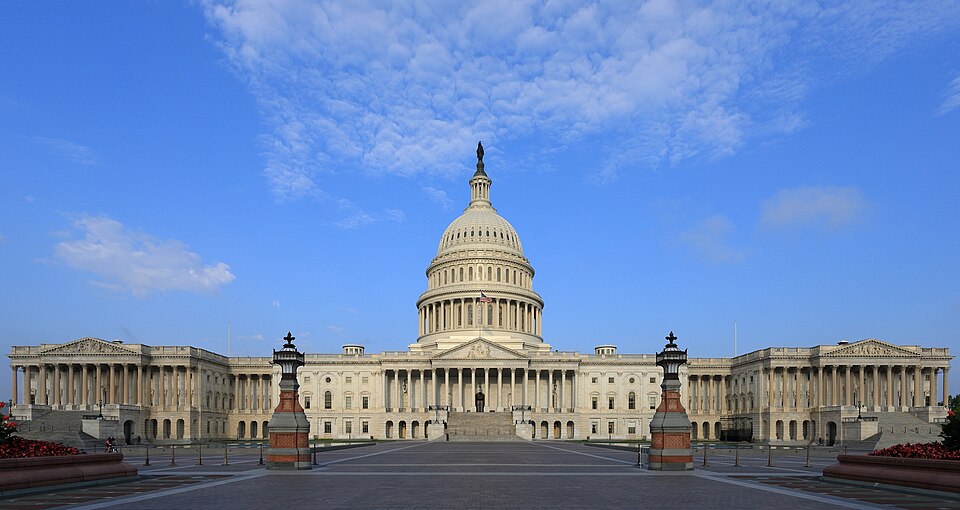
WASHINGTON, July 14 — Sam Altman, the chief executive of OpenAI since 2019, testified before the U.S. Senate on May 16, 2023, calling for regulation of AI. He proposed a new agency to license AI models. The moment marked a turning point.
Here was the leader of the company behind ChatGPT, the technology that had captured the public imagination, asking for the government to step in. For Altman, it was about building a framework before the technology outpaced any ability to control it.
He wasn’t alone in the conversation. Sundar Pichai, who has been CEO of Alphabet (Google) since 2019, has also advocated for oversight. Pichai has publicly advocated for what he calls “responsible AI” and, in 2023, his company published a white paper on AI regulation.
The approach from the search giant has been methodical, focused on principles and published policy. Satya Nadella, Microsoft’s CEO since 2014, has voiced support for government oversight as well.
Microsoft is a major investor in OpenAI, giving Nadella a unique vantage point. He has backed the idea of regulation but has drawn a clear line, opposing any talk of wealth seizure tied to the technology’s gains. That distinction matters in a debate that sometimes veers into radical proposals.
The Hardware Man in the Room
Jensen Huang, the CEO of Nvidia since 1993, represents a different piece of the puzzle. His company makes the powerful chips that train and run the large AI models. Huang has focused on the hardware side of the revolution and, according to available public records, has not publicly commented on wealth redistribution.
His silence on that front is notable given the pressure the industry faces. These four leaders — Altman, Pichai, Nadella, and Huang — together represent the industry’s response to a growing public demand for accountability.
The pressure has been building for years, but the arrival of generative AI in the hands of millions of users accelerated the timeline dramatically. Altman’s Senate testimony remains the most concrete proposal to come from inside the industry. The idea of a licensing agency for AI models is a direct, structural solution.
It would mean that before a company could release a powerful new AI system, it would need a government stamp of approval. That is a significant shift for a sector that has prided itself on moving fast.
For now, the conversation continues. The public pressure has not let up, and the technology keeps advancing. What happens next in Washington and in the boardrooms of Silicon Valley will shape not just the industry, but how artificial intelligence integrates into daily life.
The human side of this story is still being written, and these executives are the ones holding the pen.
Sources
{“@context”: “https://schema.org”, “@type”: “NewsArticle”, “headline”: “Key Players in the AI Industry: CEOs and Their Stances on Regulation”, “description”: “WASHINGTON, July 14 — Sam Altman, the chief executive of OpenAI since 2019, testified before the U.S. Senate on May 16, 2023, calling for regulation…”, “datePublished”: “2026-07-14T09:30:00+00:00”, “author”: {“@type”: “Person”, “name”: “James Roberto”}, “publisher”: {“@type”: “Organization”, “name”: “InfoPulse Today”, “url”: “https://newsfeed.infopulsetoday.com/”}, “citation”: [{“@type”: “CreativeWork”, “url”: “https://en.wikipedia.org/wiki/Sam_Altman”}]}




