
Background: Early Efforts at AI Governance
International attempts to regulate artificial intelligence trace back to concerns over dual-use technologies and rapid advances in machine learning. Discussions in the 1990s focused on transparency and export controls for dual-use systems, while the 21st century saw the rise of industry-led ethics boards and voluntary guidelines. These early steps remained fragmented, with national laws and corporate policies prevailing over multilateral agreements. A key milestone came at the 2018 Group of Twenty summit in Argentina, where major economies explicitly called for “human-centered AI,” but stopped short of proposing enforceable rules. Subsequent years produced a patchwork of national strategies, leaving gaps that geopolitical rivalry and commercial secrecy often widened.
AI safety itself is the practice of identifying and mitigating risks from advanced AI, including accidents, misuse, and unintended consequences. It spans technical research on alignment and robustness as well as policy efforts to establish norms and regulations. The field gained prominence after 2023, when generative AI systems entered widespread use and prominent researchers warned of potential societal and existential hazards. Governments responded by creating dedicated institutes, yet many experts argue that policy still lags behind technical progress.
The current push for an international AI treaty follows a pattern seen in other high-stakes technologies. Nuclear non-proliferation treaties, biological weapons conventions, and early space treaties all emerged after initial national programs sparked global anxiety. In each case, multilateral frameworks lagged behind rapid technological diffusion, often arriving only after incidents or near-misses highlighted vulnerabilities.
The Bletchley Declaration as a Rare Consensus
The Bletchley Declaration of late 2023 represents the first successful attempt to secure broad multilateral commitments on AI safety, bringing together Western governments and China in a rare consensus. It did something that previous AI governance efforts had not: it secured signatures from both Western allies and China, and it explicitly paved the way for further summits. The source material does not specify whether any such follow-up summits have yet taken place, but the declaration’s architecture remains open for additional meetings.
Separately, UN Secretary-General António Guterres in 2023 proposed a UN Advisory Board on AI. The board, if established, could draft guidelines for the technology. That proposal has not been enacted, but it remains a possible vehicle for coordinating policy among member states. However, the board still lacks a mandate, and the mechanics of coordinating 28-plus nations on a technology that evolves by the week remain decidedly unclear.
Prospects for a Treaty: What Xi’s Call Might Mean
The salient point now is what Xi’s statement might actually lead to. The source material suggests it could push China to host a follow-up summit or to propose a specific cooperation framework. Given that China signed the Bletchley Declaration and has signaled a willingness to engage on AI safety, a Chinese-hosted summit would be a logical next move. Yet no timeline or specific proposal was given, leaving the initiative in Beijing’s hands—or at least positioning China to shape the next phase of AI governance.
The absence of a timeline or concrete proposal does not diminish the significance of renewed calls for cooperation. A binding treaty would provide predictable rules, reduce regulatory fragmentation, and set common expectations for states and corporations alike. Without such a framework, the risk grows that fragmented national rules will create barriers to trade and cooperation while leaving critical safety gaps unaddressed. The stakes extend beyond technology policy; they touch on global security, economic stability, and the preservation of democratic values in an era of accelerating automation.
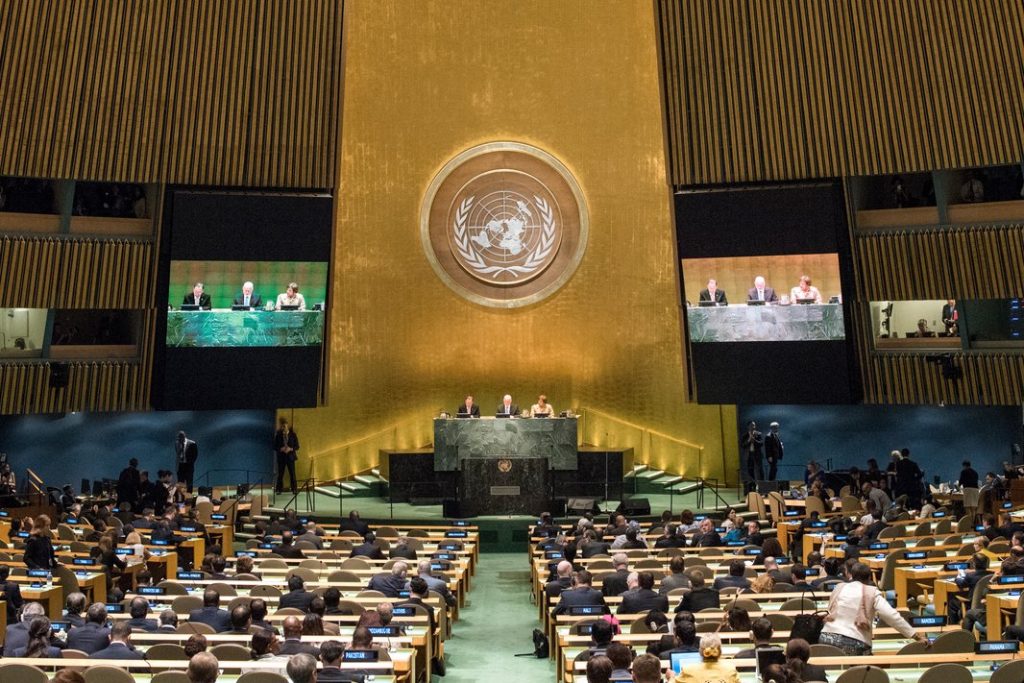
What happens next may depend on whether Xi’s “symphony” translates into a concrete summit invitation or a draft resolution at the UN General Assembly. The source material offers no indication of when either might materialize. For now, the Bletchley Declaration remains the only game in town, a rare diplomatic foothold in a field where strategic rivalry and commercial secrecy have long held sway.
{“@context”: “https://schema.org”, “@type”: “NewsArticle”, “headline”: “International AI Governance Efforts Trace Back to 1990s Concerns”, “description”: “Background: Early Efforts at AI Governance International attempts to regulate artificial intelligence trace back to concerns over dual-use technologies and rapid advances in machine learning….”, “datePublished”: “2026-07-18T09:30:00+00:00”, “author”: {“@type”: “Person”, “name”: “Beatrice Ferrari”}, “publisher”: {“@type”: “Organization”, “name”: “InfoPulse Today”, “url”: “https://newsfeed.infopulsetoday.com/”}}




