
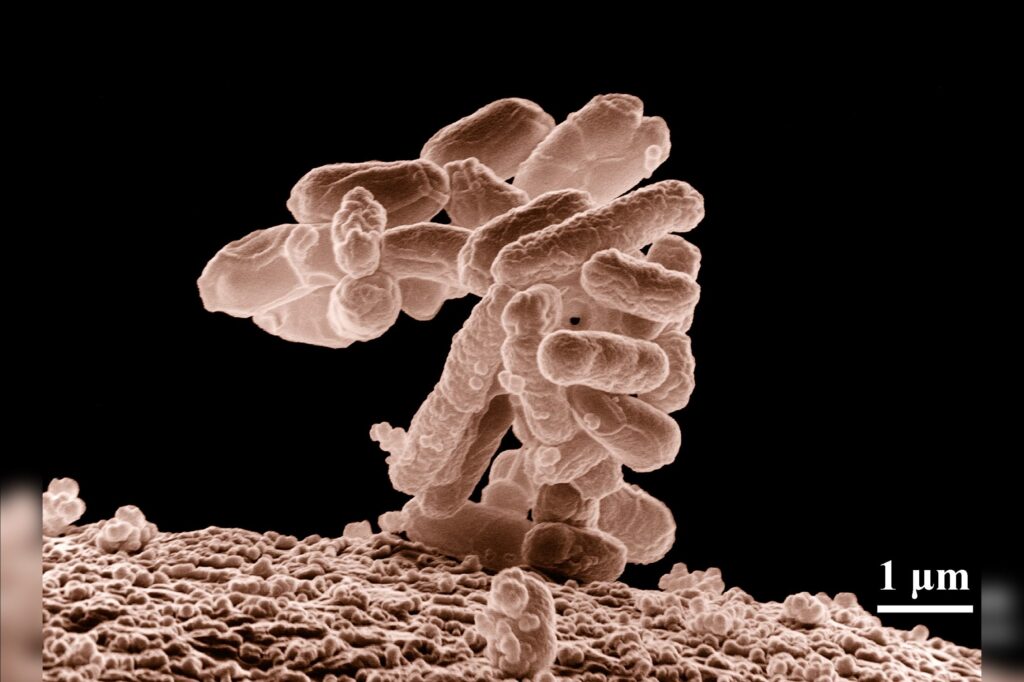
WASHINGTON, Aug. 7 — Scientists say they have, for the first time, used artificial intelligence to design viruses that kill antibiotic-resistant E. coli bacteria in a lab dish. The peer-reviewed study, published in a scientific journal, is being described as a proof-of-concept for a new generation of precision antimicrobials.
Here’s the part to pay attention to: these weren’t just viruses that happened to work. They were engineered from scratch by AI algorithms to target bacterial strains that had already developed resistance to natural bacteriophages—the viruses that infect and replicate inside bacteria. In plain terms, think of it like designing a custom key for a lock that has learned to ignore every standard key made so far.
A century-old idea, supercharged
Bacteriophages, or phages, have been around in nature for a very long time. They were discovered in the early 20th century and have been used therapeutically in some countries, particularly in Eastern Europe, for decades. The catch has always been that bacteria fight back. Just as they evolve resistance to antibiotics, they evolve resistance to naturally occurring phages, and that has kept phage therapy from becoming a mainstream medical tool in most of the world.
The new research changes the equation. Instead of hoping a natural phage happens to match a stubborn bacterium, the AI designed viruses tailored to overcome the resistance mechanisms. The result: functional viruses, built entirely through AI-driven design, that killed antibiotic-resistant E. coli under controlled laboratory conditions. The study’s authors say it’s the first instance of scientists creating working viruses this way.
A powerful tool with real risks
The authors were just as clear about the danger as they were about the promise. They cautioned that AI-generated genomes could potentially encode new pathogens that existing biosecurity countermeasures may be unable to contain. The same technology that designs a virus to save a patient could, in theory, be repurposed to create something harmful.
That’s not a hypothetical they waved away. The study emphasized the need for robust oversight to prevent misuse, though it did not specify the exact AI models or datasets used.
The practical upshot
For ordinary readers, the practical upshot is this: antibiotic-resistant infections are a growing problem, and phages have long been studied as an alternative. The more bacteria learn to shrug off antibiotics, the more valuable a tool that can be custom-built to chase down a specific threat becomes. The study did not move into human trials, but it does demonstrate that AI can reach into biology and produce something useful—something the natural world didn’t already optimize.
The next question is how fast oversight, regulation, and the science itself can move together. If the technology matures as its supporters hope, it could one day give doctors a new class of treatments for multidrug-resistant infections. If it matures without proper guardrails, the same code could become a serious security problem.
For now, the research stands as a warning and a hope in equal measure.
Consult your doctor for medical advice.
Sources
{“@context”: “https://schema.org”, “@type”: “NewsArticle”, “headline”: “AI-Designed Viruses Kill E. coli in Lab Tests, Raising Biosecurity Concerns”, “description”: “WASHINGTON, Aug. 7 — Scientists say they have, for the first time, used artificial intelligence to design viruses that kill antibiotic-resistant E. coli bacteria in…”, “datePublished”: “2026-08-07T09:30:00+00:00”, “author”: {“@type”: “Person”, “name”: “Erika Johnson”}, “publisher”: {“@type”: “Organization”, “name”: “InfoPulse Today”, “url”: “https://newsfeed.infopulsetoday.com/”}, “citation”: [{“@type”: “CreativeWork”, “url”: “https://en.wikipedia.org/wiki/Bacteriophage”}]}




