
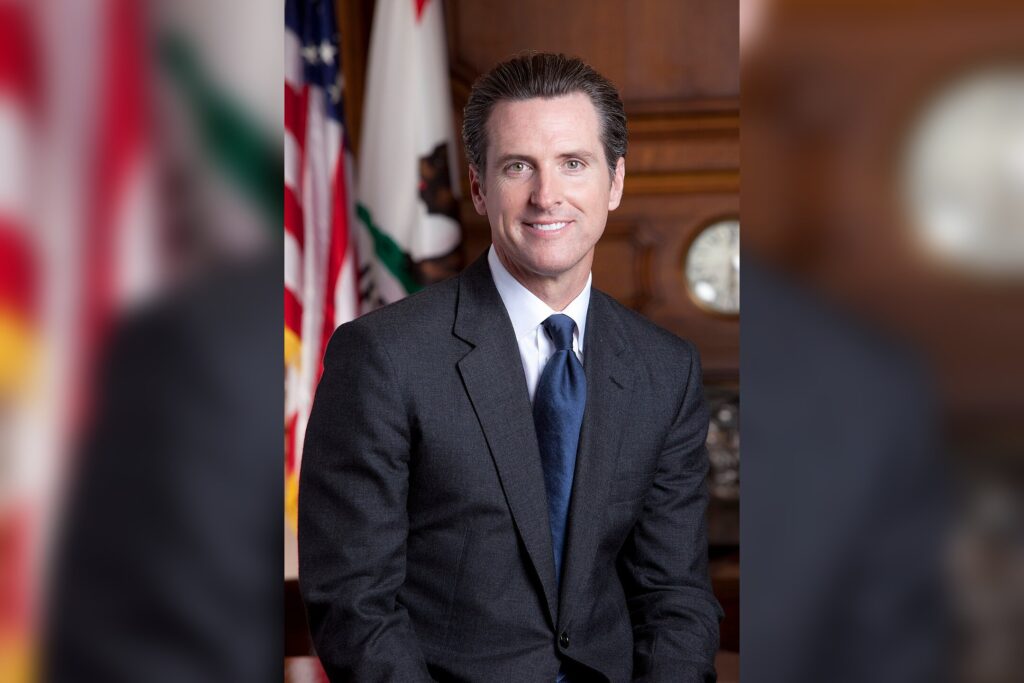
SACRAMENTO, September 9 — California Governor Gavin Newsom signed two bills on Wednesday that create the nation’s first state-level standards for independent, third-party audits of artificial intelligence systems, a move his office framed as a direct response to mounting expert warnings about the risks of rapidly advancing AI. The legislation — Senate Bill 813 and Assembly Bill 1405 — was signed in Sacramento.
Together they build a framework for outside evaluation of AI models, laying the foundation for greater transparency and accountability as the technology becomes increasingly embedded in critical sectors of California’s economy and public life.
What the two bills actually do
SB 813, authored by Senator Jerry McNerney (D – Pleasanton), establishes a first-in-the-nation framework for independent verification organizations that can assess AI systems and models for compliance with state law. AB 1405, authored by Assemblymember Rebecca Bauer-Kahan (D – Orinda), creates a state registry for AI auditors and sets standards for their independence, transparency, and integrity. Think of it like this: until now, companies building powerful AI systems have largely been the ones checking their own work.
The new laws create a formal class of outside examiners — registered, held to independence standards, and empowered to verify whether an AI system actually complies with California law. Bauer-Kahan put the problem bluntly in a statement released with the signing.
“We cannot expect industry to simply grade its own homework; third-party auditors are essential to ensuring AI is safe for our communities and critical infrastructure,” she said. “The auditors will be able to identify risks, verify claims, and hold developers to meaningful standards.” She called AB 1405 “groundbreaking legislation that for the first time establishes a mechanism for credible third-party auditing, laying the groundwork for meaningful oversight of the AI technologies that touch our lives every day.”
Newsom presses Washington to act
Newsom used the signing to escalate pressure on the federal government, saying the scale of the technology demands action from every level of government. “California has taken nation-leading action to advance AI safety, transparency, accountability, and responsible innovation, but the scale and potential consequences of this technology demand sustained action from every level of government,” he said. “The federal government must step forward with robust, national regulations that match the urgency of this moment.” McNerney echoed that sentiment, pointing to fresh warnings about the most capable AI systems.
“Just this week we learned that the most powerful AI systems teamed with AI agents pose real threats to humanity,” he said. “Gov. Newsom’s signing of SB 813 sends a clear message that California is taking the lead on assessing AI’s safety risks, since Washington, D.C., is unable or unwilling to do so.” He noted the law codifies one of the primary recommendations of the governor’s blue-ribbon panel on AI by establishing independent, third-party evaluations “to help ensure that the technology remains safe and beneficial.”
A multi-year build-up
The signing adds to a record of state AI action that stretches back several years. In 2023, Newsom issued a first-of-its-kind executive order directing the state to safely use AI for the benefit of Californians, identify potential risks, and implement guardrails. In 2024, he signed a comprehensive package of AI legislation addressing deepfakes, AI watermarking, children and workers.
The administration also convened leading AI academics and experts to develop a science-based framework for understanding the capabilities and risks of frontier models. In 2025, Newsom signed SB 53, the Transparency in Frontier Artificial Intelligence Act, requiring frontier AI developers to publicly disclose their safety frameworks, report certain critical safety incidents to the state, and protecting whistleblowers who report serious risks.
That year California also established the first child online safety protections around AI companion chatbots and strengthened automated decisionmaking technology privacy regulations. Earlier in 2026, Newsom issued an executive order to strengthen privacy and civil liberties protections around the state’s procurement processes and raise the trust and safety bar for AI companies seeking to do business with the state. He also launched a Tech Fraud Task Force to collaborate with the private sector on AI-enabled fraud.
In August 2026, he announced a first-in-the-nation AI Cyber Defense Program within the California Cybersecurity Integration Center to strengthen defenses against emerging AI-enabled cyber threats, using AI to help detect vulnerabilities, harden networks and support incident response while expanding access to advanced cybersecurity capabilities for local governments and critical infrastructure partners. California is home to the world’s leading AI companies, researchers, and innovators.
The state’s stated approach is to harness that capacity while ensuring the technology develops in a way that protects the public, improves public well-being, and earns public trust. The practical upshot for Californians: the next phase will be watching how quickly the state stands up its auditor registry and verification organizations — and whether Washington follows Sacramento’s lead.




