
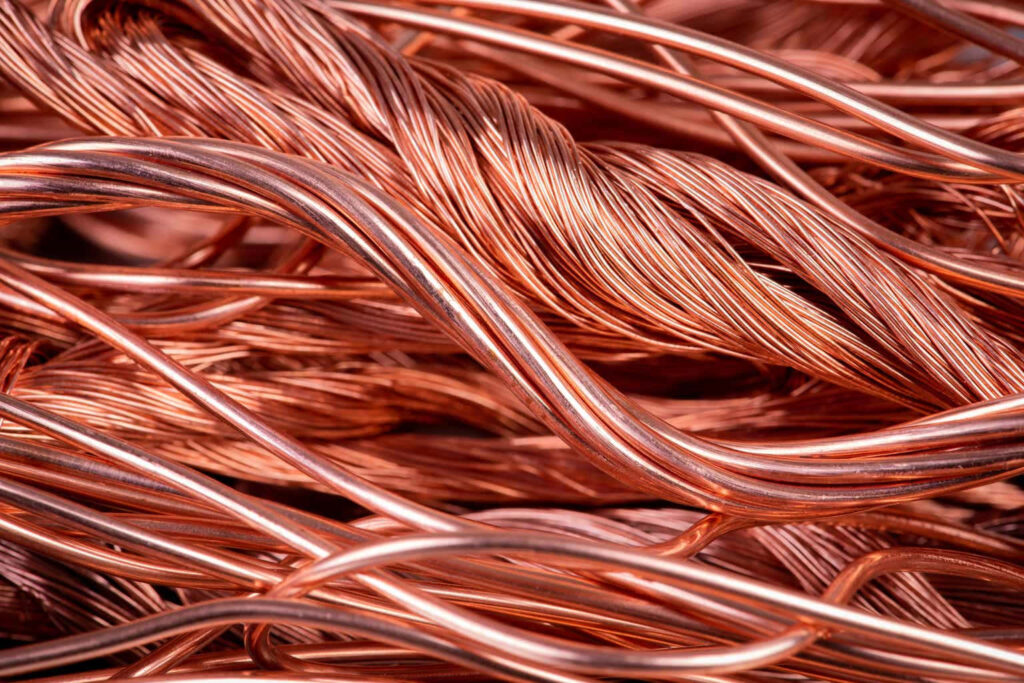
WASHINGTON, July 7 — The quiet hum of progress in artificial intelligence relies on something far less glamorous than algorithms or neural networks: copper wiring, physical security, and the simple challenge of keeping construction sites from being picked clean by thieves. As the United States races to build the digital backbone for an AI-driven future, a growing problem has emerged that has little to do with software and everything to do with hardware.
The theft of copper and equipment from data center construction sites is threatening to delay projects and drive up costs at a critical moment for the industry. The numbers tell part of the story.
In 2025, the number of AI data centers under construction across the country is expected to exceed 100, up from 70 in 2024. That rapid expansion means more construction sites, more exposed wiring, and more temptation for those looking to cash in on high copper prices. Industry experts predict that copper theft will remain a persistent problem as long as copper prices stay elevated.
The metal is a prime target because it is valuable, easy to strip from wiring, and readily sold to scrap dealers. For data centers, copper is not just a convenience — it is essential.
The metal is the standard for electrical wiring and data transmission in these facilities, chosen for its superior conductivity and reliability. Some developers are exploring alternatives. Aluminum wiring, for example, is cheaper and lighter, but it comes with significant drawbacks.
It is less efficient than copper for the high-density power and data demands of modern AI data centers. That makes it a difficult substitute for an industry that cannot afford to compromise on performance.
A problem with no quick fix
The response from law enforcement has been pragmatic. Agencies are increasing patrols in areas with high data center construction activity. But policing alone may not be enough to solve a problem that is driven by market forces and opportunity.
The long-term solution, according to industry observers, may require something more coordinated. Better cooperation between developers, law enforcement, and scrap metal dealers could help track stolen materials and make it harder for thieves to sell their haul.
That kind of collaboration is easier described than achieved, but it may be the only path to a durable fix. For now, the theft problem adds uncertainty to an already ambitious construction timeline. Every delay in building out AI infrastructure means a delay in the capabilities that those data centers are meant to support — whether that is faster language models, improved image recognition, or the next breakthrough that researchers are racing to deliver.
Behind the boom
The surge in data center construction reflects a broader reality: artificial intelligence is hungry for computing power. Training large models requires vast arrays of specialized processors, and running those models in production — serving users around the clock — demands even more. All of that computing generates heat, requires cooling, and above all, needs reliable electricity and data connections.
Copper sits at the heart of that equation. It carries power from the grid to the servers.
It transmits data between racks of equipment. It grounds the systems that keep everything running safely. When copper disappears from a construction site, it is not just a theft — it is a direct hit to the timeline of a project that may already be operating on tight margins.
The problem is not new, but its scale is growing. The jump from 70 data centers under construction in 2024 to more than 100 in 2025 represents a significant acceleration.
More sites mean more targets, and thieves have taken notice. Security measures are evolving. Some developers are turning to motion sensors, cameras, and overnight security guards.
But the sheer number of sites under construction makes it difficult to protect every location around the clock. A determined thief with basic tools can strip valuable copper from a site in minutes.
What comes next
The industry is left to weigh trade-offs. Aluminum wiring might reduce the incentive for theft, but it also reduces efficiency — a cost that compounds over the life of a data center. Better security might deter some thieves, but it adds expense and cannot eliminate risk entirely.
Coordination with scrap dealers might close off some avenues for selling stolen material, but enforcement is uneven. For now, the expansion of AI infrastructure continues at a rapid pace.
The theft problem is a complication, not a stopping point. But it is a reminder that building the future involves more than breakthroughs in software. It also involves protecting the physical assets that make those breakthroughs possible.
The coming months will test whether the industry and law enforcement can stay ahead of the problem. If copper prices remain high and construction continues to accelerate, the pressure to find solutions — whether through materials, security, or cooperation — will only grow.
{“@context”: “https://schema.org”, “@type”: “NewsArticle”, “headline”: “Copper Theft Threatens AI Infrastructure Expansion in 2025”, “description”: “WASHINGTON, July 7 — The quiet hum of progress in artificial intelligence relies on something far less glamorous than algorithms or neural networks: copper wiring,…”, “datePublished”: “2026-07-07T09:30:00+00:00”, “author”: {“@type”: “Person”, “name”: “James Roberto”}, “publisher”: {“@type”: “Organization”, “name”: “InfoPulse Today”, “url”: “https://newsfeed.infopulsetoday.com/”}}




