
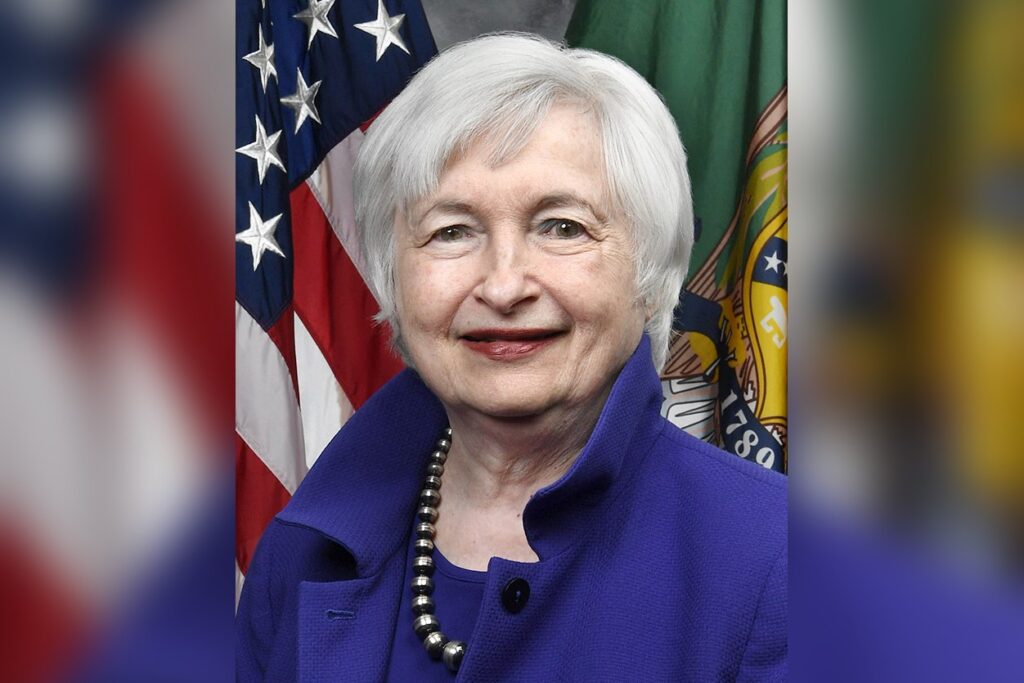
WASHINGTON, July 6 — Janet Yellen, the 78-year-old Treasury Secretary, chairs a council that just got a sobering internal report on artificial intelligence risks in the financial system. The report, prepared by the Office of Financial Research inside her own department, lands as critics say she has been slow to regulate AI finance.
Yellen has served as Treasury Secretary since January 2021. She previously chaired the Federal Reserve from 2014 to 2018, making history as the first woman to hold both positions. She earned her PhD in economics from Yale University in 1971.
As Treasury Secretary, Yellen chairs the Financial Stability Oversight Council, or FSOC. The Office of Financial Research operates under that council. Think of OFR as the Treasury’s in-house intelligence unit for financial risks — they’re the ones who dig into data and model threats before they hit the headlines.
That office has now delivered an internal report on AI risks. The source material does not specify what the report contains, only that it was prepared. But the timing is notable.
Here’s the practical upshot for ordinary Americans: AI tools are already making lending decisions, pricing insurance, and powering trading algorithms. If those systems fail or amplify each other’s mistakes, the consequences could ripple through people’s savings, mortgages, and retirement accounts. That’s what financial regulators are supposed to prevent.
Yellen has focused on inflation, climate risk, and financial regulation during her tenure. In 2024, she warned about risks from private credit markets. But she has not publicly addressed the AI bubble — a gap that critics say reflects a cautious approach that may be too slow for fast-moving technology.
Supporters of Yellen note that her cautious style has served the economy well during turbulent periods. She has been deliberate rather than reactive, they argue, and the OFR report suggests she is taking AI risks seriously behind the scenes.
The Treasury Secretary’s term ends in January 2029. That gives her more than two years to act on whatever the OFR report recommends. The question is whether the AI financial system will wait that long.
What to watch next: whether Yellen or FSOC publicly acknowledges the OFR report in the coming months, and whether any regulatory proposals emerge from it. The private credit warnings she issued in 2024 eventually led to increased scrutiny from regulators — a pattern that could repeat with AI.




