
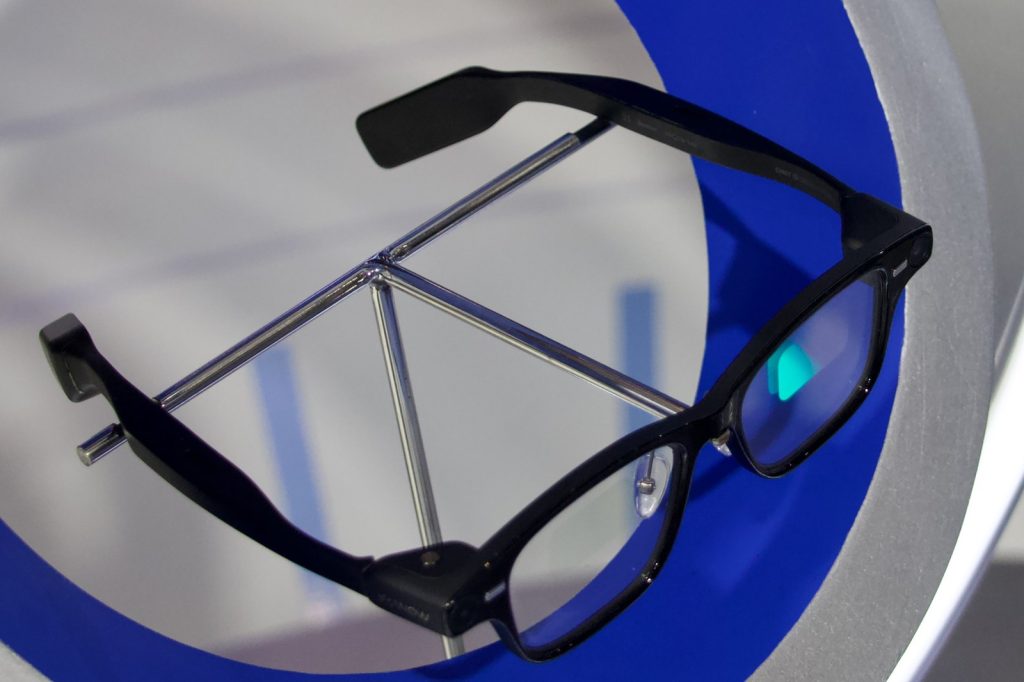
MOUNTAIN VIEW — At Google I/O a few weeks ago, ambient intelligence stopped being a research phrase and became a consumer product strategy. The company announced an AI-heavy overhaul of Search, deeper Gemini integration, information agents and intelligent eyewear through partnerships that include Samsung, Warby Parker and Gentle Monster. Here’s what it means in plain terms: the internet has, until now, waited for your intention.
You opened a browser, typed a query, clicked a link, opened an app, made a choice. That model is shifting.
AI is moving from intention to anticipation. It wants to see what you see, hear what you hear, remember useful context, understand your calendar, read your messages. The term “ambient intelligence” itself is not new.
It can be traced to the late 1990s, when Eli Zelkha and his colleagues at Palo Alto Ventures used it in work linked to Philips Research. Their vision was of technology so embedded in daily life that it would almost disappear into the environment — like air or oxygen.
Responsive, context-aware, adaptive and quietly present. At the time, that sounded like a future of smart homes, connected appliances and ubiquitous sensors. Today, with generative AI, smart glasses, rings, cameras, microphones, wearables and agents, that old dream has returned with a more powerful brain.
The practical upshot is visible in Google’s new glasses. They promise directions, messaging, photos and Gemini-powered assistance. Search itself is changing from a box you type into to a system that can plan, research and act.
For years, people have played with the meaning of AI. Some call it artificial intelligence, some say it is augmented intelligence or alternative intelligence.
A few have stretched further, comparing it with animal intelligence, especially the mysterious distributed intelligence of octopuses. But perhaps the most revealing phrase is an older one: ambient intelligence.




