
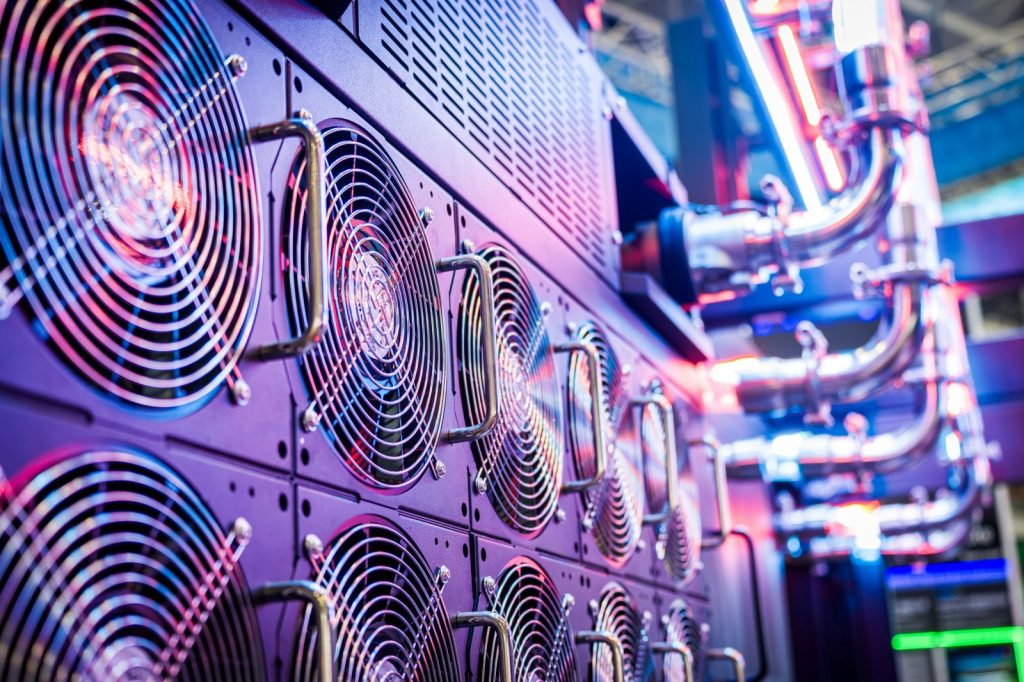
Project Southgate is a bet on a very specific kind of heat. The kind that comes off 18,500 Nvidia GB300 GPUs running at full tilt inside a data center in Melbourne. Firmus Technologies, a company that began life managing the energy demands of Bitcoin mining, is now betting its future on keeping those chips cool enough to function.
Heat is the enemy. It is the silent, physical limit on every promise made by accelerated computing.
You can pack a warehouse with the world’s most powerful silicon, but if you cannot pull the thermal energy out of the room, the whole thing becomes a paperweight. Firmus knows this. The company was founded in 2019 in the cryptocurrency trenches, where the difference between profit and loss was measured in watts per hash.
That background is not a footnote. It is the core of the pitch.
Co-founder and co-CEO Oliver Curtis directed operations in that energy-hungry world before the company pivoted. The leap from mining rigs to AI factories sounds like a change of industry. In practice, it is the same engineering problem with a different output.
Both require vast computing power and a relentless eye on the electricity bill. Both generate enormous heat. Both fail if the cooling system is undersized or unreliable.
What happens if the cooling is not good enough? The GPUs throttle down.
Performance drops. The AI models that developers are trying to train take longer and cost more. The whole point of the Nvidia DGX Cloud Lepton marketplace is access — giving smaller developers and researchers a path to computing power that was once reserved for tech giants.
If the infrastructure cannot deliver consistent performance, that access becomes theoretical. Firmus is not the first company to make the journey from crypto to AI.
But the scale of Project Southgate raises the stakes. The flagship site at Southgate Melbourne is set to house roughly 18,400 to 18,500 Nvidia GB300 GPUs. Rollouts begin in 2026.
That is a lot of silicon in one place. That is a lot of heat. The partnership with Nvidia and CDC Data Centres is designed to address this.
CDC builds and operates the physical data centers. Nvidia provides the GPUs and the DGX software stack.
Firmus brings its energy-efficient approach to the data center floor, the thing it learned in the Bitcoin mines. The deal opens up Firmus’ GPU clusters in Singapore and Australia to a wider pool of developers through Nvidia’s unified accelerated computing platform. But the risk is not just thermal.
It is also financial. The infrastructure built for digital gold is being repurposed for algorithms reshaping medicine and logistics.
That repurposing is expensive. Building a facility to house 18,500 GPUs requires capital that must be recovered through compute time sold to developers. If demand softens, or if a cheaper competitor emerges, the math shifts.
A data center full of idle GPUs is just a very expensive building that generates a lot of heat for no reason. Firmus is betting that the demand for AI compute will stay hot. That is a reasonable bet in mid-2025, but the technology cycle is brutal.
Nvidia itself is already planning the next generation of chips. The GB300s that begin rolling out in 2026 will be cutting-edge on arrival, but they will face obsolescence faster than the mining rigs Firmus used to run.
The company has to keep the lights on long enough for the investment to pay back. For now, the plan is clear. Keep the GPUs cool.
Keep the power on. Keep selling access to developers who cannot afford their own clusters.
The hum of Bitcoin mining rigs in the dark is being replaced by the quieter, more dangerous hum of AI chips running at full load. The difference is the stakes. A mining rig that overheats loses money.
An AI factory that overheats loses progress in medicine, logistics, and research. Firmus is betting it can handle both.




