
KHARTOUM, September 20 — The record shows Sudan’s civil war has entered its fourth year with the battlefield tilting toward the Sudanese Armed Forces in the center and the paramilitary Rapid Support Forces still holding much of Darfur, as the Council on Foreign Relations’ Global Conflict Tracker labels the war the world’s worst humanitarian disaster. The tracker lists the conflict as a civil war with limited impact on the United States and a worsening status.
The SAF has recaptured Khartoum, but the RSF controls much of Darfur — where attacks on non-Arab ethnic groups have drawn genocide accusations — and has besieged El-Obeid, whose fall would open a direct corridor to the capital.
Advances in the Kordofans
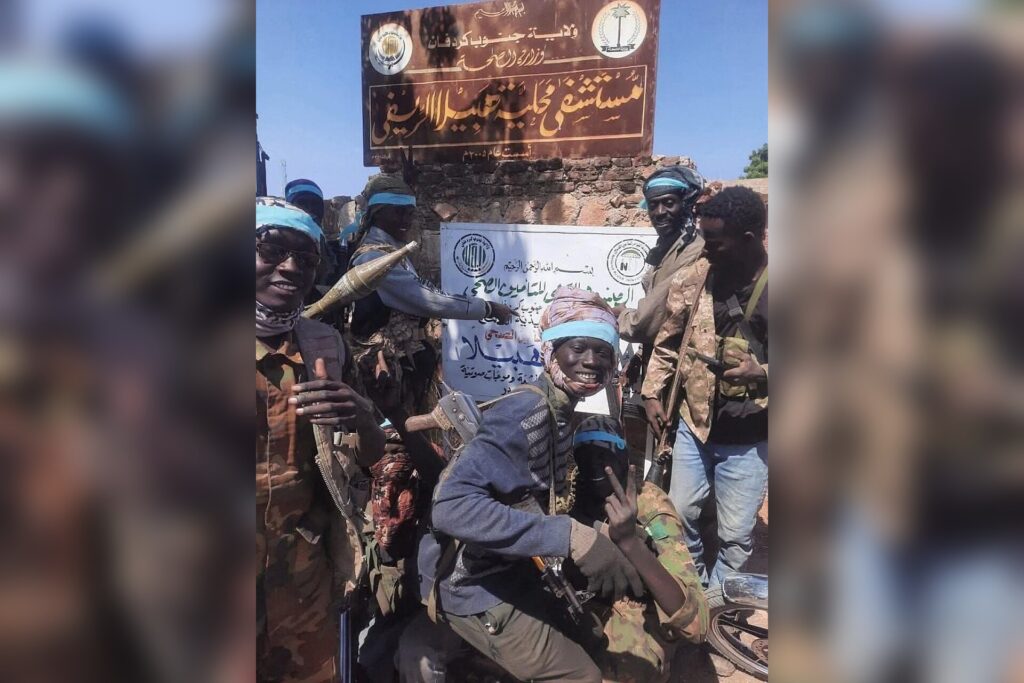
On September 17, the SAF and allied forces reportedly took control of Al-Farshaya and Al-Mamsouka in South Kordofan and Sharshar in North Kordofan after clashes with the RSF, according to Anadolu Agency. The two South Kordofan areas sit on the strategic road linking El Obeid with Dilling.
The advances opened several fronts simultaneously, with troops pushing west from El Obeid toward En Nahud and from Bara toward Sharshar, building on the SAF’s recapture of Bara, Jabrat al-Sheikh, and Umm Sayala in July as it works to widen its foothold in western North Kordofan, Sudans Post reported.
Guterres presses arms suppliers
On September 16, during a press conference, UN Secretary-General António Guterres called for accountability from foreign nations supplying weapons to Sudan’s warring factions, saying outside interference is driving devastating attacks on civilians even as Sudan’s own factions bear core responsibility, Reuters reported. The same day, at a media forum in Khartoum, the deputy head of Sudan’s Sovereignty Council, Gen. Malik Agar, told journalists that Sudan does not want to go to war with Ethiopia, despite ongoing accusations that Ethiopia has supported the RSF, according to Radio Tamazuj.
Two days earlier, on September 15, Sudanese air defenses shot down one-way attack drones targeting critical hydroelectric and irrigation dams Upper Atbara, Setit, and Khashm al-Girba near the Ethiopian border, causing no casualties or damage, according to Sudan Tribune. That action came after a senior general accused Ethiopia of trying to seize border territory.
A mine collapse in West Kordofan
Also on September 16, at least eighty-two people were killed, with more than fifty injured and many more missing, when the al-Zara artisanal gold mine collapsed in Nuhud, the largest city in RSF-controlled West Kordofan, according to BBC News Africa. Local sources said the collapse was likely triggered by unstable ground loosened by heavy rains, with a medical group warning that unregulated mining in RSF-administered zones leaves workers facing extreme danger, Sudan Tribune reported.
Historically, for the first half of the twentieth century, Sudan was a joint protectorate of Egypt and the United Kingdom, known as the Anglo-Egyptian Condominium. Egypt and the United Kingdom signed a treaty relinquishing sovereignty to the independent Republic of Sudan in 1956.
The stark internal divide between the country’s wealthier northern region, which was majority Arab and Muslim, and its less-developed southern region, which was majority Christian or animist, sparked two civil wars, the second of which saw the country split into two states in 2011. The second Sudanese civil war ran from 1983 to 2005.
What to watch next is whether the SAF’s push west from El Obeid and from Bara toward Sharshar can break the siege of El-Obeid before the RSF consolidates its hold on Darfur and West Kordofan, and whether Guterres’ call for accountability from foreign arms suppliers produces any change in the flows of weapons that both sides depend on.




