
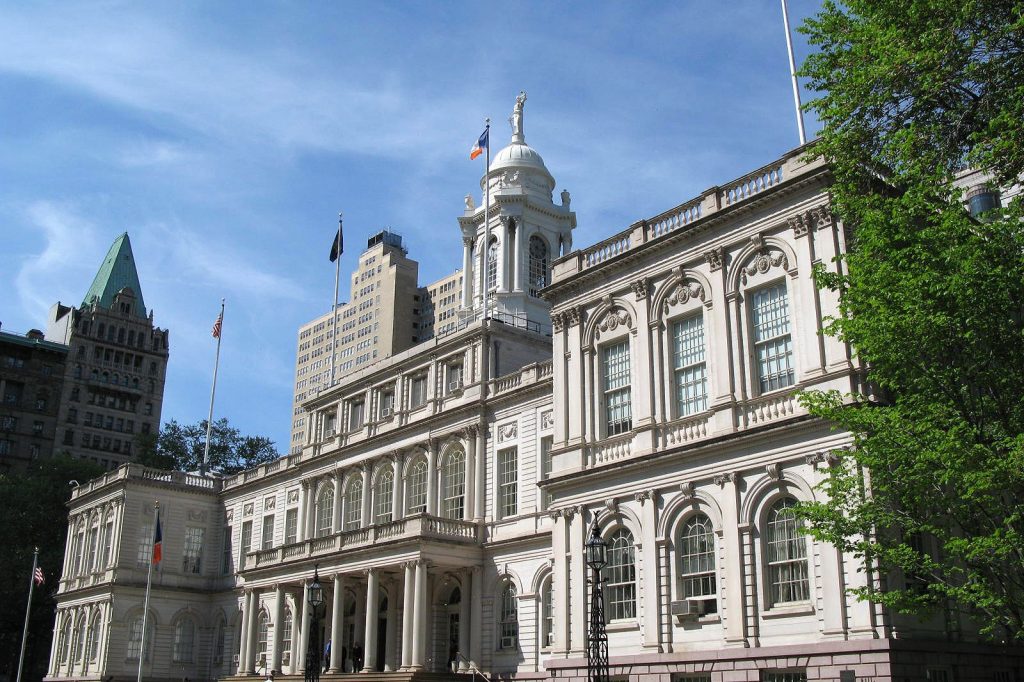
NEW YORK CITY, October 16, 2026 — The New York City Council moved a step closer to local AI oversight after Elon Musk’s xAI testified at a city hearing on artificial‑intelligence safety and regulatory frameworks. Council leaders said the testimony will shape a draft set of measures aimed at protecting New Yorkers from emerging AI risks.
City Hall Listens to xAI on AI Safety
The hearing marked the first time a major AI developer appeared before the council’s technology subcommittee. xAI representatives outlined the company’s safety protocols and answered questions about model transparency, data governance and potential societal impacts. Council members noted that the testimony provided a rare glimpse into the internal risk‑management practices of a high‑profile startup.
According to the council’s own charter, the body serves as a check against the mayor in New York’s mayor‑council government model and has the authority to oversee city agencies and legislate on a variety of issues. The hearing therefore fits within the council’s broader mandate to anticipate and address emerging public‑policy challenges.
How the Council Shapes Policy
The New York City Council is the lawmaking body of the city, composed of 51 members elected from each of the five boroughs. Each councilor sits on at least three standing, select or subcommittees, and the council maintains 35 standing committees and four subcommittees that meet at least once a month. This committee structure gives members the capacity to dive deep into technical subjects such as AI safety.
Speaker Julie Menin, a Democrat from the 5th district, sets the agenda and presides at meetings, and all proposed legislation is submitted through her office. Majority Leader Kamillah Hanks leads the Democratic majority, while Minority Leader David Carr heads the five Republican members. The speaker’s office thus becomes the gateway for any AI‑related bill to reach the floor.
Beyond its legislative role, the council holds sole responsibility for approving the city budget and oversees land‑use decisions. This fiscal authority gives it leverage to attach funding conditions to any AI‑safety program it adopts, a tool it has used in other policy areas.
Proposed Local AI Safety Measures
In the weeks following the hearing, council staff began drafting a package of local AI safety measures. While the exact language is still under review, the proposals are expected to create a municipal oversight board, require impact assessments for high‑risk systems, and establish reporting obligations for developers deploying models that affect city services.
Council members cited recent city actions as evidence that local regulation can be both swift and targeted. In October 2026 the council passed legislation to ban horse‑drawn carriages in Central Park by June 2028, demonstrating its ability to phase out entrenched industries when safety concerns arise. The same collaborative spirit underpinned a June 2026 initiative that paired the mayor’s office with the council to provide free pet food at 22 city‑funded pantries, showing how policy can be aligned across agencies. Those precedents suggest the council believes it can craft AI safeguards without waiting for federal action.
Industry Reaction and Compliance Path
Technology firms operating in New York have begun assessing how the draft measures could affect their operations. Companies with large language models or computer‑vision services that interact with city departments are expected to conduct internal audits to gauge compliance risk. The council’s oversight board, if created, would likely require periodic disclosures, a step that mirrors reporting frameworks already in place for other high‑impact technologies.
Legal experts note that the council’s authority to regulate AI stems from the New York City Charter and the Administrative Code, which give local laws status equivalent to state legislation. Because local laws can be superior to older forms of municipal legislation, any AI‑safety ordinance would carry the force of law across all five boroughs.
For startups, the new rules could represent both a compliance cost and a market advantage. Firms that demonstrate robust safety practices may find it easier to win city contracts, while those that fall short could face penalties or lose access to public data sets. The council’s budget‑approval power also means that funding for AI research and development could be tied to adherence to the safety standards.
Next Steps in the Legislative Process
After the draft is finalized, the proposal will be routed to the speaker’s office for formal introduction. It will then be assigned to the relevant standing committee, where members will hold public hearings, invite additional expert testimony and amend the language as needed. The committee’s recommendation will move to the full council for a vote.
Because the council works closely with the mayor’s office on policy initiatives, the administration’s stance will likely influence the final shape of any AI legislation. Mayor Zohran Kwame Mamdani’s recent collaborations on food‑pantry funding and animal‑welfare programs illustrate a willingness to partner on citywide reforms.
Should the council approve the measures, they will be codified in the New York City Administrative Code and become enforceable under the city’s regulatory framework. The oversight board, once established, would issue guidelines, conduct audits and publish annual compliance reports, creating a transparent pathway for companies to demonstrate adherence.
Watch this space as the council’s AI safety push unfolds. If New York City succeeds in crafting a workable local model, other municipalities may follow, turning the city into a testing ground for the next generation of AI governance.
xAI’s Commitment to Transparency and Collaboration
During the xAI testimony, the company emphasized its commitment to transparency and collaboration with local regulators. xAI representatives highlighted the company’s ongoing efforts to develop open-source tools that allow third parties to audit AI models for bias and security vulnerabilities. According to the testimony, xAI has already implemented a public dashboard that provides real-time data on model performance and usage patterns, a feature that council members praised as a model for industry accountability.
xAI also outlined plans to work with the New York City Council on a pilot program that would involve deploying AI systems in non-critical city services, such as public information kiosks and community outreach tools. The pilot would be subject to independent oversight and would include regular public reporting on outcomes and risks. This approach, according to xAI, would allow the city to evaluate the benefits and limitations of AI in a controlled environment before expanding its use to more sensitive areas.
Sources
- New York City Council
- Mayor Mamdani, New York City Council, the Mayor’s Office of Animal Welfare and the Department of Social Services Announce City-Funded Pantries to Start Offering Free Pet Food at 22 City Pantries to Keep Pets with the Families Who Love Them
- New York City Council, Mayor Mamdani reach deal to ban horse carriages in Central Park within 2 years
Photo: Metropolitan Transportation Authority (CC BY 2.0)




