
CANBERRA, Sept. 3 — Artificial intelligence has crossed a threshold in medicine, moving from experimental promise to embedded clinical reality, according to a new report from CSIRO, Australia’s national science agency. The report confirms AI is now woven into real-world care — clinical decision support, imaging analysis, disease management and personalised treatment — even as the rise of generative AI sharpens questions about safety and responsible use. The field’s most striking development is the arrival of autonomous medical AI agents that can manage patients across multiple stages of care.
Two independent models, both published in the journal Nature, point to the shift. Researchers at Heidelberg University Hospital in Germany built MIRA (Medical Intelligence for Reasoning and Action), an AI that can pull patient data from electronic health records, converse to gather information, order from a menu of more than 85,000 diagnostic tests, interpret results, prescribe medication, schedule procedures and arrange admissions.
Tested against real-world data from more than 500 emergency department cases, MIRA posted an average diagnostic accuracy of 87.8% — versus 78.1% from a panel of six physicians spanning multiple specialities. The edge held across every major disease category, a result the report’s authors say suggests AI could soon become an indispensable partner in emergency medicine. Google’s AMIE (Articulate Medical Intelligence Explorer) takes a different route, optimised for multi-visit clinical management.
It reasons continuously across patient visits to map disease progression and treatment response, using Gemini’s long-context capabilities to stay aligned with current clinical practice guidelines and drug formularies. In a virtual study pitting AMIE against 21 primary care physicians across 100 multi-visit scenarios, the AI matched doctors on management reasoning and beat them on precision of treatments and investigations.
On a new medication reasoning benchmark called RxQA, AMIE outperformed physicians on difficult cases — evidence, the report argues, that AI can excel in complex pharmacological decision-making. None of this replaces the physician, the report stresses. These systems carry the procedural weight of information gathering and analysis, freeing clinicians to focus on the patient relationship, ethical judgment and the intuition no algorithm can replicate.
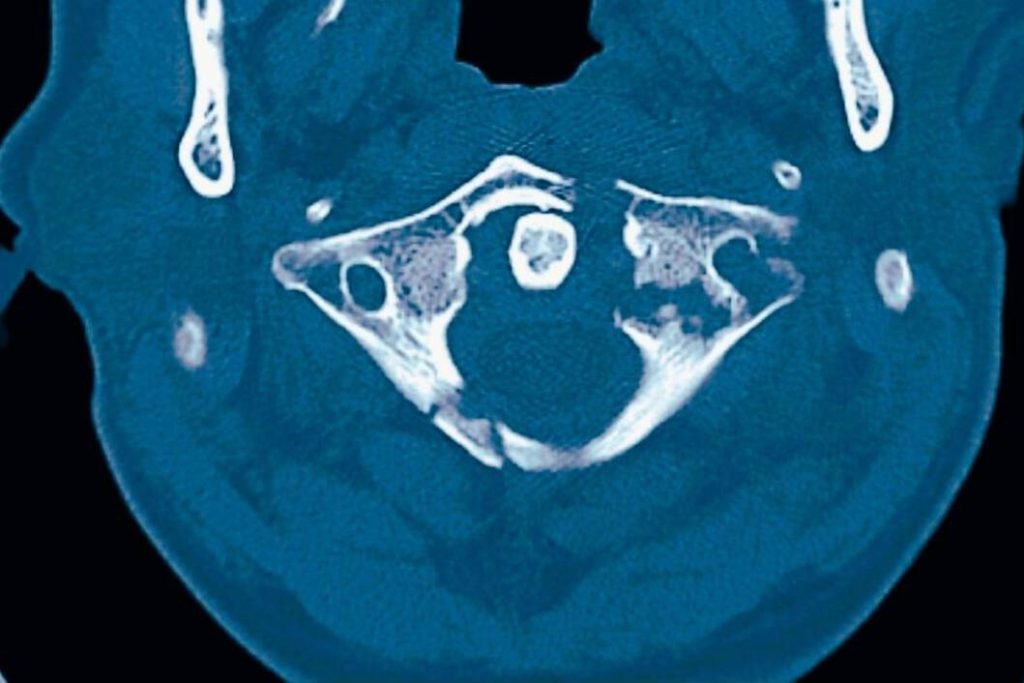
Medical imaging remains the other headline success. Deep learning algorithms now routinely help radiologists flag abnormalities in X-rays, MRIs, CT scans and mammograms with accuracy that often matches or exceeds human performance. In breast cancer screening, AI has cut false positives and false negatives while lifting detection rates.
In neurology, algorithms can spot early signs of Alzheimer’s disease in brain scans years before symptoms surface. In cardiology, AI-driven analysis of echocardiograms and cardiac MRIs delivers automated heart-function measurements with precision comparable to expert readers.
The result has transformed radiology departments, shrinking turnaround times and letting radiologists concentrate on the hardest cases. CSIRO’s authors frame this as a pivotal chapter: responsible innovation, rigorous evidence and collaboration will decide how fully AI delivers on its promise for patients, clinicians and communities.




