
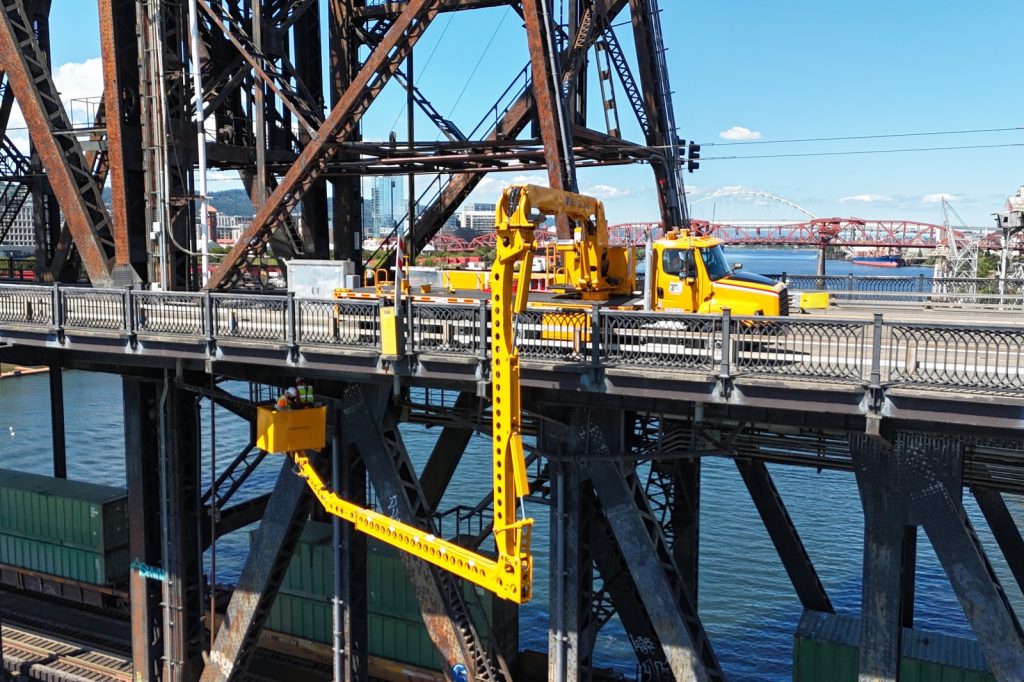
BOSTON, July 17 — Artificial intelligence is quietly becoming a structural engineer’s most watchful partner, promising to catch the first hairline crack in a bridge long before any human inspector could spot it. By 2035, researchers say, the combination of AI and machine learning with structural health monitoring will fundamentally change how we maintain the physical backbone of modern life. Think of it like a doctor who never sleeps, constantly taking the pulse of a bridge, a tunnel, or a dam.
AI algorithms can now sift through enormous streams of data from sensors embedded in infrastructure, looking for the subtle signs of trouble that a human might miss. The practical upshot: catching a failing beam or a spreading crack before it becomes a catastrophe.
What the research shows
At the Massachusetts Institute of Technology, researchers have built deep learning models that can identify damage patterns in bridges with 95% accuracy. That is not laboratory guesswork — it is a system that has been trained on real structural data and can flag problems with a precision that rivals, and in some cases exceeds, experienced human inspectors. Across the Atlantic, the University of Cambridge has applied machine learning to one of the most stubborn problems in concrete: predicting how and where cracks will propagate.
In plain terms, instead of waiting for a crack to grow wide enough to be visible, the model can forecast its path and warn engineers to intervene early. The numbers tell a story of rapid adoption.
The global market for AI in structural health monitoring was valued at $200 million in 2024. According to Custom Market Insights, that figure is projected to hit $1.5 billion by 2035 — a more than sevenfold increase in just over a decade.
The players and the hurdles
Big technology companies are already moving into this space. IBM and Google are both developing cloud-based AI platforms purpose-built for infrastructure monitoring. The idea is that a city or a state transportation department could subscribe to a service that continuously analyzes sensor data from its bridges and highways, without needing to build its own AI systems from scratch.
The US National Science Foundation has also put money behind this vision, funding research on AI-driven structural health monitoring through its Cyber-Physical Systems program. That program supports work that blends computing with the physical world — exactly the kind of cross-disciplinary effort that makes smart infrastructure possible.
But the road to widespread adoption is not without potholes. Researchers point to three stubborn challenges: data quality, algorithm transparency, and the sheer volume of training data required. Sensors can produce noisy or incomplete readings.
AI models that flag a problem need to explain their reasoning in a way that engineers and regulators can trust — a black box that says “this bridge is unsafe” is not enough. And training those models requires vast, well-labeled datasets of structural failures, which are, thankfully, rare events.
What comes next
The technology is expected to be a key enabler of smart cities and resilient infrastructure. In practice, that means a future where a city’s bridges, water mains, and power grids are all monitored by AI systems that can predict failures, prioritize repairs, and stretch limited maintenance budgets further. For now, the field is still in its early stages — the $200 million market of 2024 is small by infrastructure standards.
But the trajectory is clear. By 2035, the question may no longer be whether a city uses AI to watch its bridges, but which system it trusts to do the watching.
{“@context”: “https://schema.org”, “@type”: “NewsArticle”, “headline”: “AI and Machine Learning to Predict Infrastructure Failures by 2035”, “description”: “BOSTON, July 17 — Artificial intelligence is quietly becoming a structural engineer’s most watchful partner, promising to catch the first hairline crack in a bridge…”, “datePublished”: “2026-07-17T09:30:00+00:00”, “author”: {“@type”: “Person”, “name”: “Erika Johnson”}, “publisher”: {“@type”: “Organization”, “name”: “InfoPulse Today”, “url”: “https://newsfeed.infopulsetoday.com/”}}




