
SAN FRANCISCO, Jul 28 — The landscape of artificial intelligence investment has grown into something that few could have predicted a decade ago. By early 2024, the combined equity value of companies central to this field had already surpassed $3 trillion, according to figures drawn from publicly reported valuations, funding rounds, and market capitalisations. This is not a story of overnight success, but one of steady, sometimes surprising, accumulation—and the details matter.
OpenAI’s Journey from Non-Profit to Industry Leader
OpenAI began in December 2015 as a non-profit enterprise, backed by $1 billion in initial pledges from figures including Elon Musk, Sam Altman, and Peter Thiel. Early findings suggest that this non-profit structure gave the organisation room to pursue ambitious research without immediate commercial pressure. But by 2019, the company restructured into a ‘capped-profit’ model, a move that allowed it to raise significant outside investment. That same year, Microsoft committed $1 billion. Then, in January 2023, Microsoft added another $10 billion, bringing its total investment to at least $13 billion.
The encouraging part of this timeline is how quickly the public embraced one of OpenAI’s creations. ChatGPT launched on November 30, 2022, and within two months it had reached 100 million users. That kind of adoption is rare. By early 2024, the company’s valuation had hit $80 billion. These numbers are not speculative—they come from disclosed funding rounds and market reports. For patients and researchers who wonder whether AI tools can be trusted in medical settings, the sheer scale of institutional backing may offer some reassurance, though caution remains warranted.
The Hardware Behind AI: Nvidia’s Rise
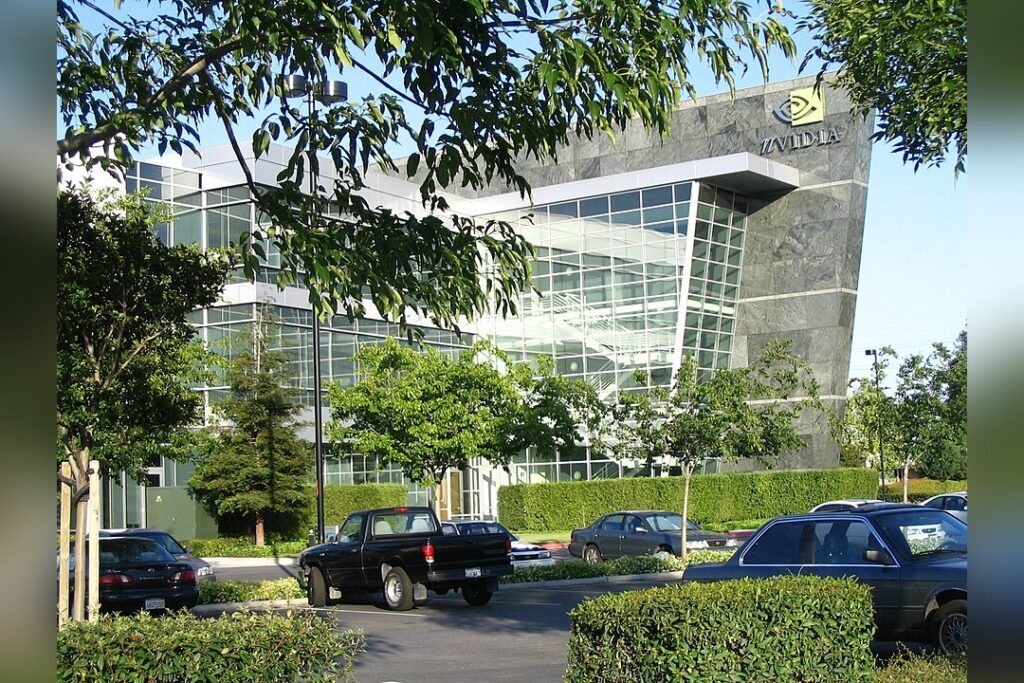
Behind the software, the hardware story is just as compelling. Nvidia, founded in 1993, has become the leading supplier of the specialised chips used to train AI models. Its revenue grew from $16.6 billion in fiscal 2021 to $60.9 billion in fiscal 2024, which ended January 28, 2024. The company’s market capitalisation passed $2 trillion for the first time in February 2024, driven largely by sales of its data centre graphics processing units. That is an extraordinary climb for a company that began making graphics cards for video games. The encouraging part for anyone hoping to see AI applied to healthcare is that this hardware capacity makes large-scale medical research—such as analysing millions of patient records or running protein-folding simulations—increasingly feasible.
Other Key Players: DeepMind and Anthropic
Google DeepMind, founded in 2010 and acquired by Google in 2014 for £400 million, has shown what focused research can achieve. Its AlphaFold model, released in 2020, contributed to major advances in predicting protein structures—work that has direct implications for drug discovery and understanding disease. For cancer researchers, early findings suggest that such tools could speed up the identification of new treatment targets, though clinical validation remains a separate step.
Anthropic, founded in 2021 by former OpenAI researchers, reached an $18 billion valuation by 2024. The company has positioned itself as a safety-focused alternative, which may matter to developers and regulators concerned about responsible deployment of AI in sensitive fields like healthcare.
All of these organisations—OpenAI, Nvidia, Google DeepMind, and Anthropic—are now central to the AI investment landscape. Their combined equity value exceeding $3 trillion reflects not just financial speculation, but real demand for capabilities that could eventually change how medicine is practised.
For now, the data are clear: the financial infrastructure for AI is massive and growing. But as with any new tool in medicine, results from peer-reviewed studies and careful clinical trials will matter far more than any valuation. Patients and healthcare providers should talk to their doctors about what AI can and cannot do for their specific conditions. The promise is real, but the evidence must keep pace.
Sources
{“@context”: “https://schema.org”, “@type”: “NewsArticle”, “headline”: “AI Boom Centers on OpenAI, Nvidia, Billion-Dollar Bets”, “description”: “SAN FRANCISCO, Jul 28 — The landscape of artificial intelligence investment has grown into something that few could have predicted a decade ago. By early…”, “datePublished”: “2026-07-28T09:30:00+00:00”, “author”: {“@type”: “Person”, “name”: “Muhammad Asim”}, “publisher”: {“@type”: “Organization”, “name”: “InfoPulse Today”, “url”: “https://newsfeed.infopulsetoday.com/”}, “citation”: [{“@type”: “CreativeWork”, “url”: “https://en.wikipedia.org/wiki/OpenAI”}]}




