
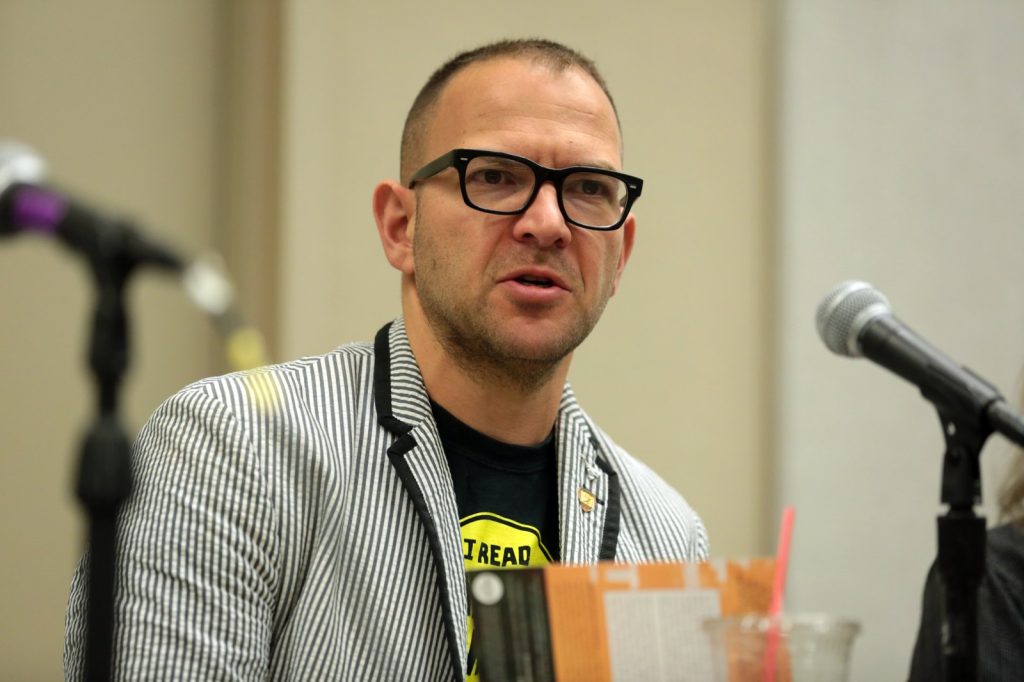
SAN FRANCISCO, July 28 — The artificial intelligence boom that inflated valuations across the tech sector is showing signs of deflating, as writer and critic Cory Doctorow predicted would happen within 18 months as of mid-2024. His thesis: a wave of irrational exuberance, high leverage, and lack of real adoption would snap the bubble. The pattern looks familiar.
Financial history is littered with speculative bubbles that follow the same arc. The Dutch Tulip Mania of 1637, South Sea Bubble of 1720, Japanese asset price bubble from 1986 to 1991, and the dot-com bubble from 1995 to 2000 each saw exuberance, leverage, and eventual collapse.
Doctorow, writing in mid-2024, predicted the AI bubble would burst within 18 months, citing overvaluation relative to actual adoption and monetization. With that timeline now behind us, the indicators he flagged are flashing red. Many AI startups remain unprofitable, chasing market share with heavy spending on computing and talent.
Meanwhile, the broader tech job market is already cooling.
Layoffs and a Pullback in Venture Capital
In 2023, tech companies cut 262,000 jobs, and AI-focused firms began to feel the pressure. If the bubble fully bursts, a wave of layoffs at AI startups would follow, and venture capital funding — already contracting — would tighten further. Nvidia, the chipmaker that became the symbol of the AI gold rush, saw its stock surge 237% in 2023.
But that rally was built on demand for GPUs used to train and run large language models. If that demand declines, Nvidia’s shares could fall sharply.
Valuation Wipeouts and Index Corrections
OpenAI, the private leader of the current AI wave, holds a high valuation. Under Doctorow’s scenario, that valuation could be slashed by 50 to 70 percent, erasing billions in paper wealth. The ripple effects would hit public markets too.
The NASDAQ-100, heavily weighted toward big tech and AI-exposed companies, could see a correction of 30 to 40 percent. Not everyone is convinced the damage will be so severe.
Some economists argue that today’s AI companies have real revenue streams — unlike many dot-com era firms that had none. They contend that while overvaluation exists in pockets, the broader impact may be more contained, confined to the most speculative layers of the sector rather than spreading to the entire tech ecosystem.
The ‘Enshittification’ Hypothesis
Doctorow’s specific warning hinges on what he calls the “enshittification” of AI platforms — a process where services degrade as companies squeeze users and providers to extract profits, eroding trust and engagement. He argues that investors will gradually wake up to the fact that AI companies lack sustainable competitive moats. A slow-motion crash, not a sudden panic, is his predicted path.
Watch this space. The telltale signs are visible: funding rounds getting harder, and the breathless hype from the past two years giving way to sober assessments.
The trend underneath the AI sector now looks less like a revolution and more like another chapter in the long, messy history of speculative manias.
Sources
{“@context”: “https://schema.org”, “@type”: “NewsArticle”, “headline”: “AI Bubble Burst: Economic Fallout Scenarios Explored”, “description”: “SAN FRANCISCO, July 28 — The artificial intelligence boom that inflated valuations across the tech sector is showing signs of deflating, as writer and critic…”, “datePublished”: “2026-07-28T09:30:00+00:00”, “author”: {“@type”: “Person”, “name”: “Maria Romano”}, “publisher”: {“@type”: “Organization”, “name”: “InfoPulse Today”, “url”: “https://newsfeed.infopulsetoday.com/”}, “citation”: [{“@type”: “CreativeWork”, “url”: “https://en.wikipedia.org/wiki/Speculative_bubble”}]}




