
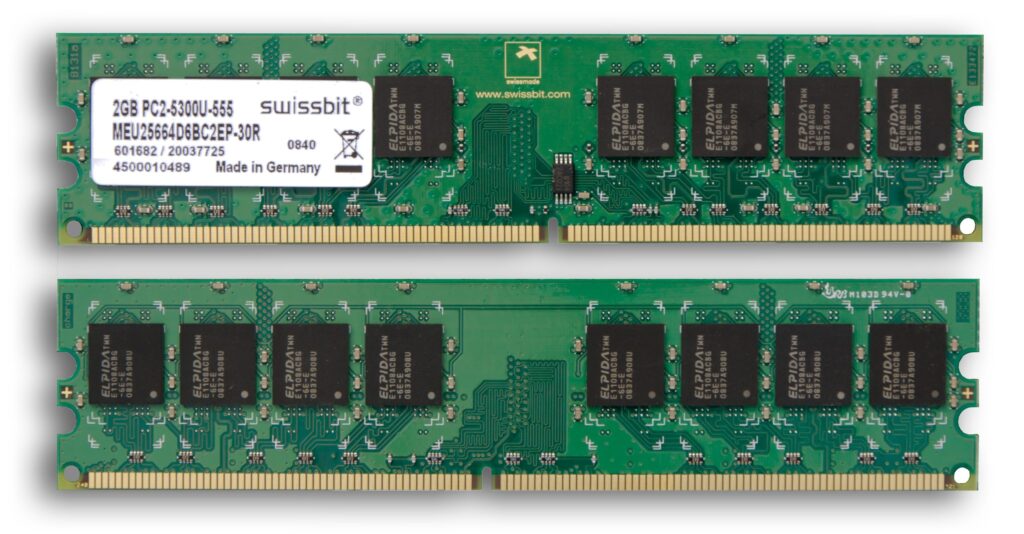
CITY, August 23 — The semiconductor industry is facing a dramatic shift in 2027, with AI companies locking in nearly all available RAM supplies. Analysts say 90% of global RAM orders for next year have already been secured by tech giants like NVIDIA, Google’s DeepMind, and Microsoft’s Azure AI. This wasn’t a sudden move.
The pre-orders, finalized in January 2024, focus on high-bandwidth memory (HBM3) and DDR5 modules, which are the backbone of AI training and inference. Think of it like this: AI is building a massive library, and these memory chips are the shelves.
Without enough shelves, other industries can’t even store their books. HBM3 and DDR5 modules aren’t just any memory. They handle massive amounts of data at lightning speed, essential for training large language models.
SRA data shows AI companies are betting on a surge in AI compute workloads by 2027. That’s based on industry filings and market intelligence.
The numbers make sense: as AI models grow, they need more processing power. But this demand isn’t balanced. Less than 10% of RAM is left for everything else — smartphones, PCs, even cars.
A smartphone maker might struggle to find chips for next year’s devices. Why would AI companies dominate so hard? It’s simple economics.
Training an AI model requires thousands of these specialized chips. Companies like NVIDIA and Google are scaling up aggressively.
Microsoft’s Azure AI, which powers cloud services, is also in the mix. The SRA didn’t just pull these numbers from thin air. They tracked pre-orders and market trends.
It’s a clear signal: AI isn’t just a trend anymore. It’s becoming the engine of tech innovation.
What’s at Stake for Everyone Else
This RAM shortage isn’t just an AI problem. It’s a tech ecosystem crisis. Smartphone makers rely on RAM to run apps smoothly.
PC manufacturers need it for faster processors. Even industries like automotive, which use chips for self-driving systems, could feel the pinch.
Imagine a world where your phone lags because AI companies bought up all the best memory. It’s not just about gadgets. Healthcare, manufacturing, and other sectors depend on tech too.
The SRA’s report doesn’t mention how this shortage will be resolved. Will new factories be built?
Will prices skyrocket? Those questions remain. For now, the data is clear: AI is reshaping the semiconductor landscape, and the ripple effects are already here.
The practical upshot? Ordinary tech users might see higher costs or slower devices in the coming years. What’s next?
The semiconductor industry will likely face tough choices. Companies might invest in new manufacturing technologies or seek alternative materials.
Governments could step in with incentives to boost domestic production. For AI firms, the focus will be on efficiency — making the most of the RAM they have. The anticipated surge in AI workloads suggests this isn’t a short-term fix.
It’s a fundamental shift in how technology is built and used.
Sources
{“@context”: “https://schema.org”, “@type”: “NewsArticle”, “headline”: “AI Companies Dominate 2027 RAM Pre-Orders”, “description”: “CITY, August 23 — The semiconductor industry is facing a dramatic shift in 2027, with AI companies locking in nearly all available RAM supplies. Analysts…”, “datePublished”: “2026-08-23T09:30:00+00:00”, “author”: {“@type”: “Person”, “name”: “Erika Johnson”}, “publisher”: {“@type”: “Organization”, “name”: “InfoPulse Today”, “url”: “https://newsfeed.infopulsetoday.com/”}, “citation”: [{“@type”: “CreativeWork”, “url”: “https://en.wikipedia.org/wiki/Semiconductor_industry”}]}




