
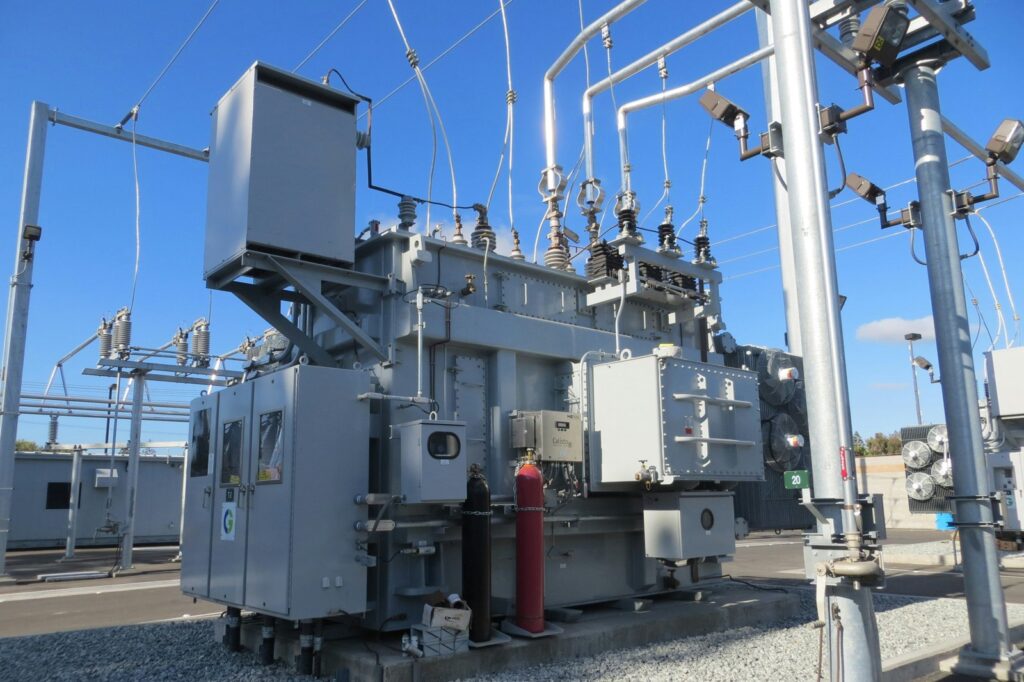
WASHINGTON, July 7 — The copper that powers America’s artificial intelligence boom is disappearing from construction sites, and the theft is pushing prices higher, delaying the very infrastructure that makes AI possible. On the ground, the scene is one of mounting pressure. AI data centers require massive amounts of copper for electrical wiring, grounding, and cooling systems.
A single large facility can contain up to 50,000 pounds of the metal, according to the Copper Development Association. Each of these centers consumes up to 100 megawatts of power, the U.S. Department of Energy reports.
The International Energy Agency says data centers used 460 terawatt-hours of electricity in 2022. Since 2020, AI workloads have driven a 30% increase in energy demand. Copper is essential for high-voltage power distribution and heat exchangers in these facilities.
But the metal is getting harder to find. The global copper market faced a deficit of 500,000 metric tons in 2023, according to the International Copper Study Group.
Demand for copper in data centers is projected to grow by 15% annually through 2030, driven by AI training and inference workloads. The United States relies on imports for 35% of its copper, primarily from Chile and Canada. And at home, thieves are making the problem worse.
Copper theft from construction sites exacerbates supply shortages, pushing prices higher and delaying AI infrastructure deployment. The Department of Energy has launched a program to develop copper alternatives, such as aluminum alloys. But those substitutes are not yet viable for high-performance data centers.
The crunch comes at a moment when the AI industry is racing to build out massive new computing clusters.
The scale of the shortage
The numbers paint a stark picture. A deficit of 500,000 metric tons in 2023 is not a small gap. With demand projected to grow by 15% annually through 2030, the gap is likely to widen before it narrows.
The U.S. import dependency adds another layer of risk. Chile and Canada are stable trading partners, but global copper markets are subject to geopolitical shocks, labor strikes, and shipping disruptions.
Copper theft is not a new problem, but its impact on AI infrastructure is newly acute. Construction sites for data centers are sprawling, often in remote areas, and difficult to secure.
What comes next
The Department of Energy’s search for alternatives is ongoing. Aluminum alloys are the leading candidate, but they do not yet perform as well as copper in the high-heat, high-power environments of AI data centers. For now, the industry is forced to work with what it has.
That means paying higher prices for copper, securing construction sites more aggressively, and hoping that the supply chain can keep up with demand.
{“@context”: “https://schema.org”, “@type”: “NewsArticle”, “headline”: “AI Data Centers Demand 100 Megawatts of Copper Per Facility”, “description”: “WASHINGTON, July 7 — The copper that powers America’s artificial intelligence boom is disappearing from construction sites, and the theft is pushing prices higher, delaying…”, “datePublished”: “2026-07-07T09:30:00+00:00”, “author”: {“@type”: “Person”, “name”: “Isabella Moore”}, “publisher”: {“@type”: “Organization”, “name”: “InfoPulse Today”, “url”: “https://newsfeed.2bme.xyz/”}}




