
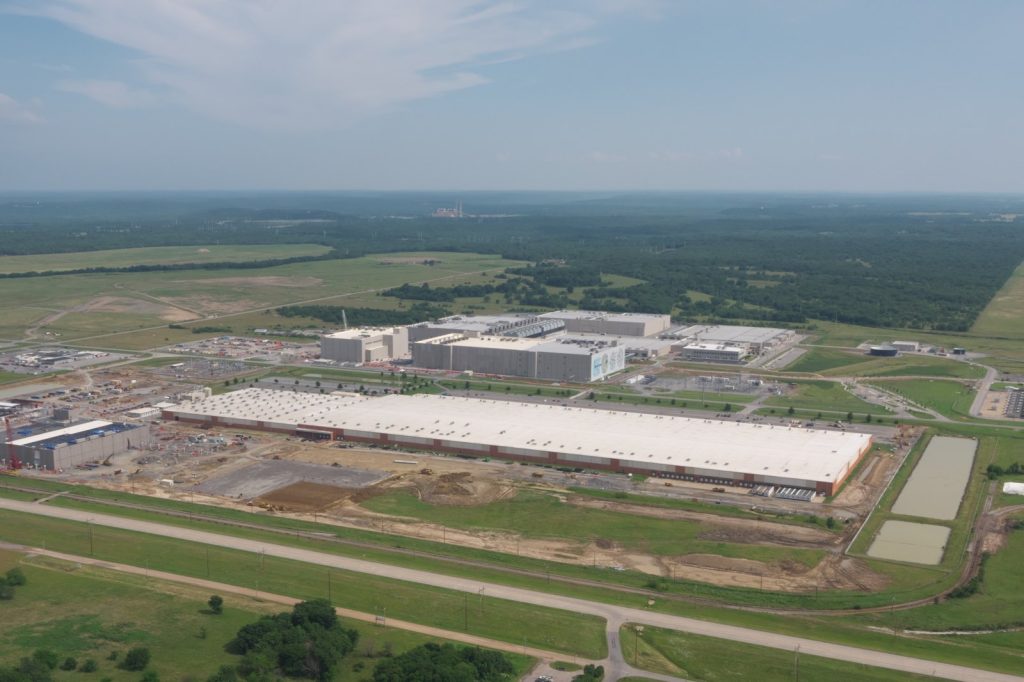
CHEYENNE, Wyoming, 2026-09-29 — The rapid expansion of artificial intelligence is physically reshaping the American landscape, transforming forests, farmland, and deserts into massive hubs for digital infrastructure. Driven by an estimated $320 billion tech capital expenditure boom, more than 1,400 data centers are now built, under construction, or planned across the United States. This massive infrastructure footprint alters the country’s landscape through four primary shifts.
First, the physical consumption of rural land. Tech companies are moving away from traditional urban centers into rural and out-of-the-way places where land is cheap and abundant.
Massive, warehouselike structures—some individual sites measuring larger than Central Park—are actively replacing natural environments and agricultural fields. The sudden land rush has caused rural property values to soar, giving rise to entire secondary support economies and industrial construction hubs in previously quiet areas. In Cheyenne, Wyoming, for example, property values have risen by 20% in the past year alone.
Second, a geographical shift to new hotspots. Major new hubs are rapidly materializing in West Texas and Cheyenne, Wyoming; rural Wisconsin and Iowa; Georgia and Arizona.
While Northern Virginia historically served as the primary epicenter of data infrastructure, the immense requirements of generative AI have forced developers to seek new frontspots. Third, a strain on energy and water infrastructure. ‘Hyperscale’ data centers can consume as much power as a small city and use millions of gallons of water daily for cooling. If all permitted facilities become operational, their collective electricity demand will consume more power than almost any individual U.S. state.
To prevent local grids from failing, developers are increasingly constructing dedicated power generation plants (often gas-fired or industrial solar arrays) directly adjacent to the campuses. Approximately 40% of these approved centers are being positioned in extreme water-stressed regions of the U.S., permanently altering local water tables and environmental ecosystems. Finally, a revolution in construction materials.
The sheer volume of data center construction has triggered an unprecedented ‘green revolution’ in the building sector. Because traditional steel and concrete production emit massive amounts of carbon, tech companies are forcing a massive supply-chain shift.
For example, the demand for blended cements (which have a significantly lower carbon footprint) skyrocketed to make up two-thirds of the market by 2023, up from a baseline of just 4%. Residents in expanding hubs face rising electricity rates (hikes of 8% to 15% in parts of Virginia, Georgia, and Texas) and industrial noise pollution. While the facilities generate local tax revenue and school funding, communities nationwide are pushing back with zoning fights and new laws to protect local resources from tech-driven expansion.
In the face of this rapid spatial reorganization, the future of data centers in America remains uncertain. With tensions rising between tech companies and local communities, it will be crucial for both sides to find a balance that allows for continued innovation while minimizing disruption to rural areas and the environment.
As the race to build the next generation of AI infrastructure continues, one thing is clear: the landscape of the United States will never be the same.




